Why Choose WPC Wall Panel for Your TV Design Needs?
When it comes to modern home decor, the choice of materials can significantly impact the overall aesthetic. WPC wall panels have gained popularity, especially for Wpc Wall Panel Tv Design applications. These panels offer a unique blend of durability and style. They are easy to install and maintain, making them an appealing choice for many homeowners.
WPC wall panels not only provide a refined look but also contribute to sound insulation. This feature is essential for creating an entertainment space where audio quality matters. Additionally, they come in various colors and textures, allowing for customization that can match any design theme. However, one must consider potential downsides, like the initial costs and environmental impact.
Despite these factors, WPC wall panels continue to stand out in the world of interior design. They enhance TV setups, creating a focal point in living spaces. With the right choice, these materials can transform a plain wall into a stunning backdrop that reflects personal style. As you explore WPC wall panel TV design options, think about both the benefits and drawbacks to make an informed choice.
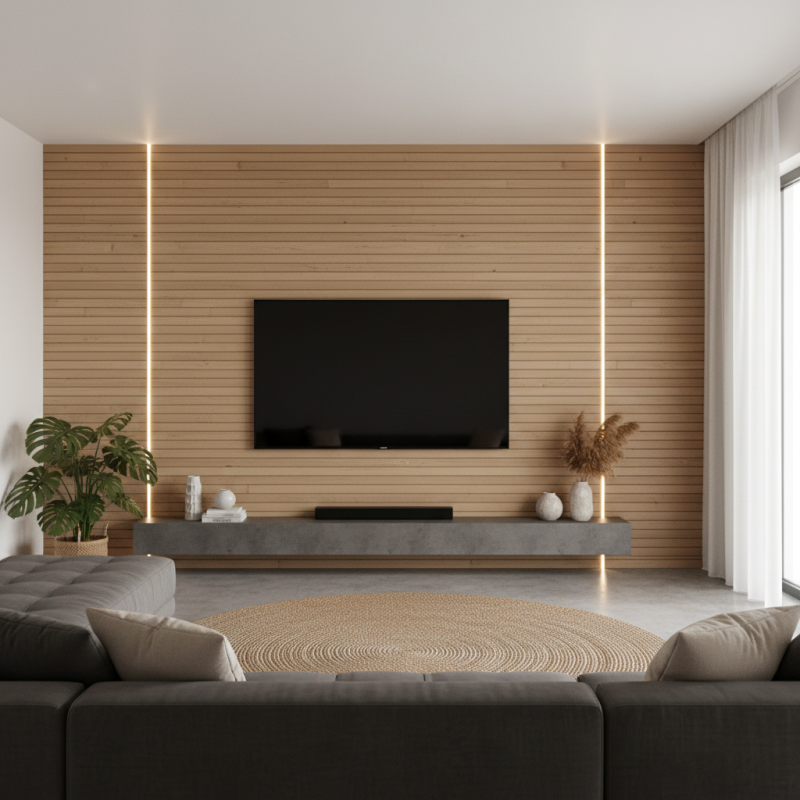
Benefits of Using WPC Wall Panels in Interior Design
WPC wall panels are becoming increasingly popular in interior design, especially for TV wall applications. These panels combine wood fibers and plastic, offering durability and aesthetic appeal. According to a recent industry report, the WPC market is expected to grow by over 12% annually, reflecting their rising demand.
One significant advantage of using WPC wall panels is their resistance to moisture. This makes them an excellent choice for areas prone to humidity or spills. Unlike traditional materials, WPC does not warp or swell. The ease of installation also attracts homeowners and designers alike. Panels can be cut to size, fitted, and applied with minimal effort, saving both time and money.
However, not all WPC panels are created equal. The quality can vary, impacting durability and finish. It's crucial to choose panels that meet industry standards. While WPC panels are low-maintenance, they may require occasional cleaning to retain their visual appeal. Users should be aware of how light affects their colors over time. This visual change can lead to inconsistencies in design if not planned properly.
Durability and Maintenance Advantages of WPC Panels
WPC (Wood Plastic Composite) wall panels have gained popularity for their durability and low maintenance needs, making them an ideal choice for modern TV designs. These panels can withstand moisture and humidity better than traditional wood. A study from the American Society of Civil Engineers highlights that WPC materials can last up to 25 years with proper care, significantly more than traditional wood alternatives. This durability ensures that your TV wall will remain attractive over time.
Maintenance is another critical aspect. WPC panels require minimal upkeep. They are resistant to insects, rot, and decay. The National Institute of Standards and Technology found that WPC materials can reduce maintenance costs by up to 30% compared to conventional wood. Cleaning is straightforward, often requiring just a damp cloth. This ease of maintenance allows homeowners to focus on other priorities.
However, not all WPC products are created equal. Some cheaper options may not provide the same durability and aesthetic appeal. It's essential to research materials and sources carefully. Your choice in WPC can impact the overall design and longevity of your TV area. Pay attention to the warranty and certifications of the products.
Aesthetic Versatility: WPC Panels for Diverse TV Design Styles
WPC wall panels offer unmatched aesthetic versatility, making them ideal for diverse TV design styles. From modern minimalism to rustic charm, these panels can adapt to any theme. Their textured finishes can resemble wood, stone, or even fabric, elevating your TV setup's overall appeal. Imagine a sleek WPC panel behind a flat-screen TV, creating a stunning focal point in your living room.
Utilizing WPC panels allows for a seamless integration of technology and decor. The material is lightweight and easy to install, reducing the time and effort required for renovations. This makes it a practical choice for redesigning spaces. Also, consider using different colors or patterns to enhance visual interest. Layering panels can create a 3D effect that draws attention.
Tips: Keep proportions in mind. A large TV may overwhelm a small wall unless paired with appropriately sized panels. Experiment with panel placement and lighting for unique effects. Reflect on how your choices impact the room's mood; subtle alterations can transform the atmosphere significantly. Embrace imperfection; not every design will work as envisioned. Use feedback from friends to refine your ideas.
Sustainability Aspects of WPC Wall Panels in Home Decor
WPC wall panels are gaining popularity in home decor, especially for TV design needs. Their sustainability credentials are a significant draw. Made from wood fibers and recycled plastics, these panels reduce waste in landfills. According to the Forest Stewardship Council, using WPC products can help conserve tree resources by decreasing the demand for solid wood.
Moreover, WPC panels often come with low VOC emissions. This is crucial for indoor air quality and human health. A report from the Environmental Protection Agency (EPA) states that building materials can significantly contribute to indoor air pollution. WPC panels mitigate this risk, offering a healthier living space.
While WPC panels present many benefits, there are some drawbacks. The initial manufacturing process can consume energy, raising questions about their overall carbon footprint. Homeowners should weigh these aspects carefully. By understanding both the advantages and challenges of WPC wall panels, you can make a more informed choice for your home decor.
Installation Process: How to Incorporate WPC Panels Effortlessly
When considering WPC wall panels for your TV design needs, the installation process can feel daunting. However, with a few straightforward steps, you can incorporate these panels effortlessly into your space. Begin by measuring the wall where your TV will be mounted. Make sure the surface is clean and dry for the best adhesion. You'll want to have all your tools ready: a level, measurement tape, and adhesive.
Next, cut the WPC panels to fit your specifications. Precision is key here, as irregular cuts can spoil the aesthetics. It might take time to get it right. As you install, start from the bottom and work your way up. Align each panel carefully, checking with the level after every placement. This ensures a professional look. If a panel doesn’t fit perfectly, consider adding a trim to conceal imperfections.
It’s important to note that every wall is unique, which can complicate the installation process. Some may have electrical outlets or light switches that require extra planning. Don’t hesitate to adjust your approach based on the wall configuration. Remember, patience contributes significantly to achieving a polished finish. A little trial and error can lead to a satisfying result.
Benefits of Using WPC Wall Panels for TV Design



 Close
Close