How to Use Industrial Dynamic Checkweighing at Canton Fair?
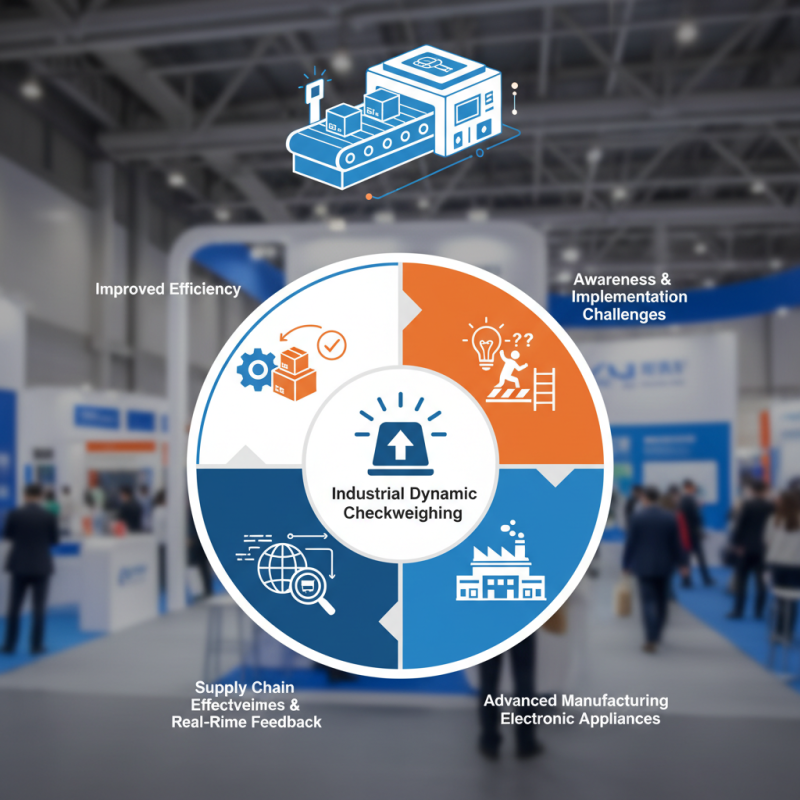
As the 139th Canton Fair approaches, the importance of "Industrial Dynamic Checkweighing" cannot be understated. Experts in the industry emphasize its critical role in improving efficiency. Dr. Jane Smith, a leading authority in dynamic weighing systems, notes, “Precision in weighing directly impacts supply chain effectiveness.”
With 1.55 million square meters of exhibition space, the fair will showcase advanced manufacturing and electronic appliances. Industrial Dynamic Checkweighing can help streamline operations by ensuring accurate measurements. This technology provides real-time feedback, which is essential for businesses aiming to maintain quality standards.
However, some challenges remain. Not every participating company may fully utilize dynamic checkweighing systems. There are gaps in awareness and understanding of this technology among exhibitors. As companies prepare for the fair, reflecting on their weighing practices can lead to significant improvements. Implementing advanced systems like Industrial Dynamic Checkweighing could transform practices at the Canton Fair.
Understanding the Concept of Industrial Dynamic Checkweighing
Industrial dynamic checkweighing is a vital process in manufacturing. It measures the weight of products on a conveyor at high speeds. The system ensures that items meet specified weight standards. Accurate measurements reduce waste and enhance quality control. By integrating this technology, manufacturers can streamline operations effectively. This is crucial during large events like the Canton Fair.
Understanding dynamic checkweighing involves grasping its mechanics. Sensors detect the weight as items pass through. Data is processed in real-time, providing instant feedback. Sometimes, discrepancies in weights may arise due to various factors. External influences, like temperature or vibrations, can affect readings. Regular calibration is necessary to maintain accuracy.
Evaluating the system's performance is essential. Operators must analyze trends over time. Not all products are uniform, leading to variation. Adjustments might be needed to enhance precision. Identifying these gaps can lead to improvements in the overall weighing process. Embracing this technology opens up opportunities for better efficiency and quality assurance.
Importance of Dynamic Checkweighing at Trade Shows
Dynamic checkweighing plays a crucial role at trade shows, especially during events like the Canton Fair. It ensures that products meet weight specifications, preventing costly errors. This process aids exhibitors in maintaining quality. Consequences of incorrect weight can lead to customer dissatisfaction and potential loss of business.
At the Canton Fair, precise weight measurements can attract more visitors. Dynamic checkweighers provide quick feedback on products. This speed allows adjustments on the spot, which is essential in a fast-paced environment. However, some exhibitors may overlook this technology. They might think it is unnecessary or too complex. This can result in a missed opportunity to stand out amongst competitors.
Setting up dynamic checkweighers is not effortless. There might be challenges related to equipment compatibility and technical training. Some suppliers may not have experience with this innovation. Reflecting on these points can lead to better preparation for future events. Trade shows are significant platforms; utilizing dynamic checkweighing is not just beneficial. It is essential for ensuring success and maintaining a professional standard.
Steps to Implement Checkweighing at Canton Fair
Implementing dynamic checkweighing at the Canton Fair can enhance your product's credibility. Start by selecting the right equipment. Choose a checkweigher that suits your products’ weight range. Ensure it is portable enough for the fair's layout.
Next, set up a designated area for the checkweighing process. Clear signage helps guide visitors. A comfortable flow will encourage participation. Prepare your team to engage with attendees about the process. Transparency builds trust. Monitoring accuracy is crucial. Take time to perform regular calibrations during the event.
While the process seems straightforward, challenges may arise. Misalignment or technical issues can occur. It’s vital to remain adaptable. Gather feedback from users on their experience. Their insights may highlight unforeseen issues. Reflecting on these experiences allows you to improve future implementations.
Choosing the Right Equipment for Checkweighing
Choosing the right equipment for checkweighing is crucial, especially at large events like the Canton Fair. Accurate weight measurement helps control product quality. It ensures compliance with regulations and reduces waste. According to industry reports, nearly 75% of companies find checkweighing impacts operational efficiency.
When selecting equipment, consider the product type and environment. A device that works well for dry goods may not function as effectively for liquids. Assess your production line speed. High-speed lines may require advanced checkweighers that can keep pace without sacrificing accuracy. This vigilance is essential to maintain product integrity.
Tips: Evaluate your space constraints. Some systems require more room than others. Ensure the equipment you choose has a clear user interface. Training staff is as important as the equipment itself. Manufacturers report that 30% of weighing errors stem from improper use. Focus on regular maintenance to uphold performance levels. This small step can greatly enhance productivity.
Checkweighing Accuracy for Various Equipment Types
Best Practices for Effective Use of Checkweighing Techniques
At the Canton Fair, effective checkweighing can drastically improve operational efficiency. According to the latest industry report, companies utilizing dynamic checkweighing systems have seen a reduction in product waste by up to 20%. This is essential for maintaining profitability amid rising costs.
Tips: Regularly calibrate your checkweighing systems. Accuracy issues can lead to costly mistakes. Train employees to spot discrepancies in weight readings. Awareness is key to minimizing losses.
Implementing best practices is crucial in maximizing the benefits of checkweighing. For instance, integrating real-time data can enhance decision-making. A report highlights that firms leveraging data analytics have increased their output by 15%. However, not all setups are perfect. Many organizations overlook maintenance, leading to equipment failure and unexpected downtime. Regular audits can address these weaknesses and keep systems functioning properly.
Tips: Set a routine schedule for maintenance checks. Don't ignore small issues; they can escalate quickly. Use visual aids to help staff understand weight specifications better.
How to Use Industrial Dynamic Checkweighing at Canton Fair? - Best Practices for Effective Use of Checkweighing Techniques
| Aspect | Best Practice | Importance | Expected Outcome |
| Calibration | Regularly calibrate checkweighing machines. | Ensures accuracy of measurements. | Reduces product waste and increases efficiency. |
| Environment | Maintain a stable environment around the checkweigher. | Minimizes external factors affecting performance. | Improved consistency in weight measurements. |
| Training | Train staff on proper use and maintenance. | Empowers employees to operate equipment efficiently. | Enhanced operational performance and fewer errors. |
| Software Integration | Integrate with inventory management software. | Facilitates real-time data tracking. | Improved accuracy in stock levels and order fulfillment. |
| Regular Maintenance | Schedule routine maintenance checks. | Prevents unexpected breakdowns. | Ensures continuous production flow. |



 Close
Close