Top 10 Valve Lockout Chain Options for Global Buyers?
In the realm of industrial safety, choosing the right Valve Lockout Chain is crucial. Experts highlight its importance in preventing unauthorized valve operation. John Smith, a leading safety engineer, states, "A reliable lockout chain is essential to ensure safety in hazardous environments."
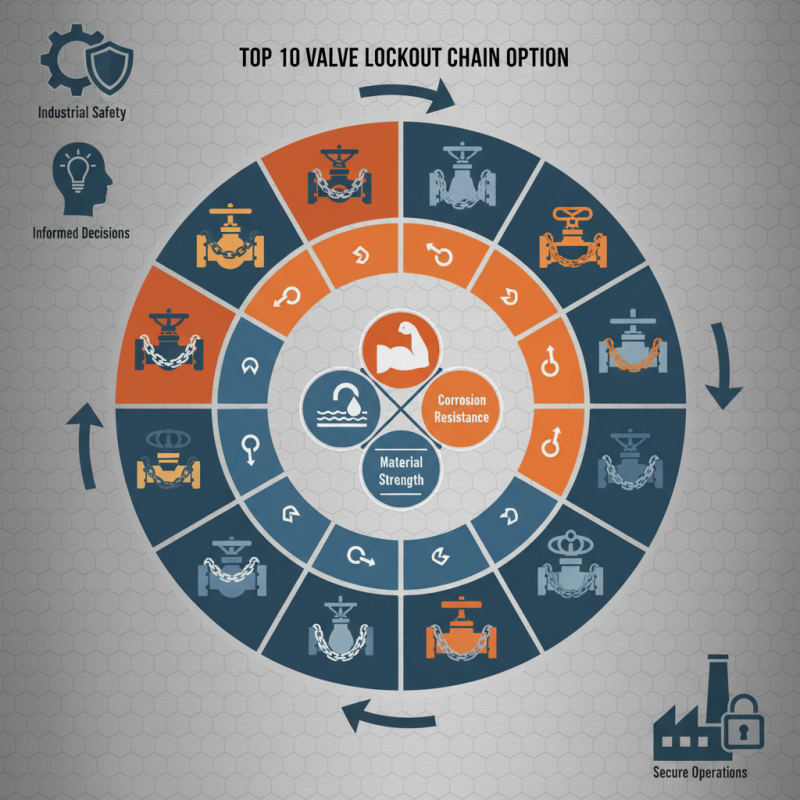
Selecting from the top 10 Valve Lockout Chain options can be overwhelming. Each chain brings unique features tailored for various industries. Buyers must consider material strength, corrosion resistance, and ease of use. This complexity can lead to misinformed decisions, risking safety.
As the demand for safety solutions grows, understanding the nuances of Valve Lockout Chains becomes vital. An informed choice not only protects personnel but also secures operations. Inadequate attention to details can lead to gaps in safety protocols, highlighting the need for expertise in selection.
Types of Valve Lockout Chains and Their Applications
Valve lockout chains are essential for ensuring safety in industrial settings. They come in various types, each designed for specific applications. Understanding these options helps users make informed choices.
One common type is the plastic chain. It's lightweight and versatile. Ideal for quick applications, it provides a visual barrier. Another option is the metal chain, which offers durability and extra strength, suitable for high-risk environments. Each option serves a unique purpose, depending on the workspace.
Tips for selecting the right chain include considering the environment. For outdoor use, choose weather-resistant materials. Look for chains that meet safety standards for your industry. Regular inspections of your lockout chains are crucial. This ensures they maintain effectiveness and reliability.
When using these chains, training is vital. Proper use prevents accidents and enhances safety culture within teams. Always assess your specific needs before purchasing any lockout equipment. This proactive approach ensures that you invest wisely in safety-enhancing tools.
Factors to Consider When Choosing a Valve Lockout Chain
When choosing a valve lockout chain, several factors come into play. The material of the chain is critical. Chains made from rust-resistant materials can endure wet environments and last longer. Durability should not be overlooked; a chain that frays easily may not provide adequate security.
Safety is paramount in industrial settings. Chains must have enough tension and flexibility to secure various valve types. Consider the visibility of the chain, as bright colors can improve identification during emergencies. It’s also wise to assess the ease of installation. A complex mechanism might frustrate users during critical moments.
Tips: Always test the chain's strength before use. Regular inspections can prevent wear and tear. Keep a log of your inspections—this will help in tracking usage patterns and identifying issues. Remember, a well-maintained lockout chain enhances safety protocols significantly.
Top 10 Valve Lockout Chain Options for Global Buyers
| Option | Material | Length (ft) | Weight (lbs) | Color Options | Locking Mechanism |
| Option 1 | Steel | 10 | 2.5 | Red, Yellow | Padlock |
| Option 2 | Aluminum | 15 | 3.0 | Blue, Green | Combination |
| Option 3 | Plastic | 20 | 1.0 | Yellow, Black | Figure 8 |
| Option 4 | PVC | 12 | 2.2 | Orange | Locking Clip |
| Option 5 | Stainless Steel | 25 | 4.0 | Silver | Keyed |
| Option 6 | Carbon Steel | 10 | 2.0 | Black, Red | Dial |
| Option 7 | Fiberglass | 15 | 1.5 | Blue | Twist Lock |
| Option 8 | Nylon | 11 | 1.8 | Green, Yellow | Clamp |
| Option 9 | Copper | 9 | 3.2 | Copper | Locking Key |
| Option 10 | Zinc Alloy | 13 | 2.7 | Gray | Pin Lock |
Top Brands Offering Valve Lockout Chains in the Global Market
Valve lockout chains play a crucial role in safety protocols across various industries. They ensure that valves remain in a safe position, protecting workers during maintenance and repair tasks. According to a recent industry report by the Occupational Safety and Health Administration (OSHA), proper lockout/tagout procedures can reduce workplace accidents by up to 29%. This statistic demonstrates the importance of using reliable equipment such as valve lockout chains.
Several brands dominate the global market for these safety devices. Their products often comply with stringent safety regulations and standards. For instance, many chains are made from durable materials that withstand harsh industrial environments. Some chains are designed with features that prevent accidental release, an essential trait noted in safety assessments. Industry experts recommend regular evaluations to ensure that these chains are functioning correctly, as even slight wear can lead to failures.
While many brands offer high-quality chains, not all are created equal. Some chains might lack proper certifications or fail to meet industry standards. Inadequate testing can lead to unreliable products. Companies should always research materials and user feedback before making a purchase. Consulting industry reports and professional reviews can provide valuable insights. Managing safety requires continuous improvement and assessment.
Comparative Analysis of Valve Lockout Chains: Durability and Cost
In industries where safety is paramount, the choice of valve lockout chains plays a critical role. Recent studies indicate that the most durable options can last beyond five years under regular use. However, costs can vary significantly, with some chains priced as low as $20, while others may exceed $100 depending on material and features. For buyers, understanding the balance between durability and cost is essential.
An analysis of various materials shows that heavy-duty chains, often made from stainless steel, provide superior resistance to corrosion and wear. A report from the Safety Equipment Association highlighted that up to 30% of workplace accidents could be avoided with better safety equipment. This underscores the importance of investing in high-quality valve lockout chains. Despite this, cheaper options might attract buyers initially, but they often need replacement within a year, potentially increasing overall costs.
Evaluating different suppliers reveals inconsistencies in quality and performance. Feedback from users indicates that chains that seem durable may fail unexpectedly. It is crucial for global buyers to conduct proper testing and seek peer reviews before making a purchase. Buyers often overlook these aspects, leading to regrets later on. Keeping safety as a priority can help guide better purchasing decisions.
User Reviews and Recommendations for Top Valve Lockout Chains
When it comes to valve lockout chains, reliability is paramount. According to a recent industry report, over 20% of workplace accidents occur due to improper lockout practices. This statistic underscores the critical need for effective safety equipment, such as lockout chains. Users have consistently rated chains based on their durability, flexibility, and ease of use. Many reports suggest that a well-reviewed chain should withstand harsh environmental conditions, ensuring safety across various industries.
One key tip is to assess the material of the chain. High-strength steel chains tend to offer more resilience than plastic alternatives. Users recommend chains with a rust-resistant coating, especially for outdoor applications. It's also advised to choose chains with a variety of lengths, providing flexibility for different valve configurations.
Another consideration is the chain's locking mechanism. A simple yet secure mechanism is essential to avoid accidental disengagement. User feedback often highlights designs that are intuitive and user-friendly. However, some chains might require an adjustment period for proper use. This aspect is critical as familiarity with equipment can drastically reduce the chances of error in high-pressure environments. Always engage with professionals for further insights into the best practices in your specific field.



 Close
Close