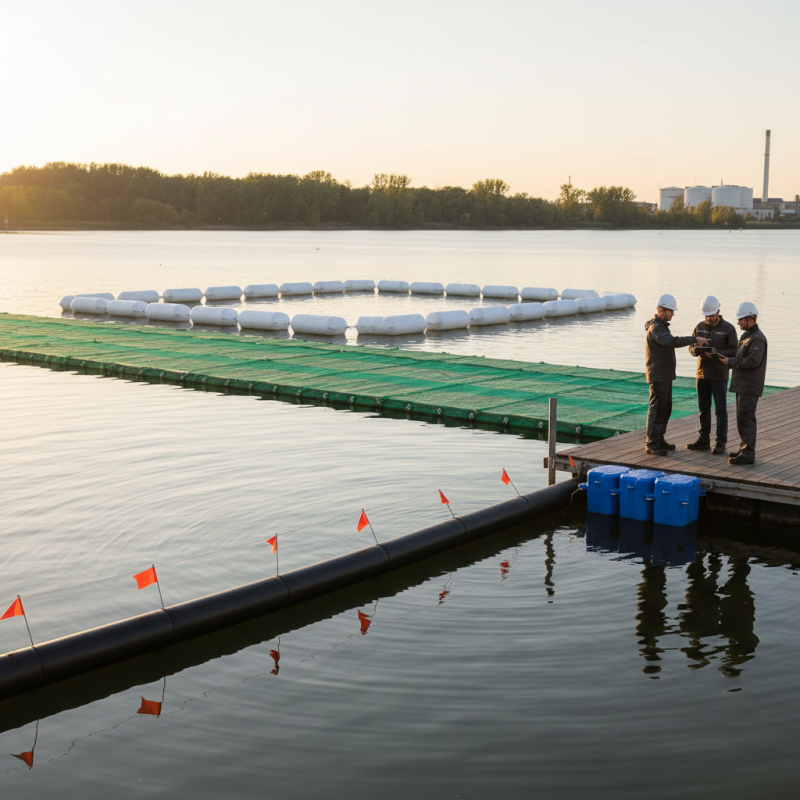
| Understand Your Needs | Assess the specific requirements based on location and application. | Investing in a tailored design may reduce long-term costs. | Custom barriers often offer better durability. | Choose eco-friendly materials to minimize impact. |
| Research Materials | Different materials provide varying levels of effectiveness and longevity. | Higher quality materials may have higher upfront costs but are cost-effective over time. | Durable materials ensure a longer lifespan and reduce replacement frequency. | Select non-toxic materials to follow environmental regulations. |
| Evaluate Installation and Maintenance | Determine ease of installation and the maintenance requirements. | Barriers that are easy to install can save on labor costs. | Low-maintenance designs contribute to lower operational costs. | Regular maintenance should be environmentally safe to not harm surrounding areas. |
| Consider Local Regulations | Understand local regulations regarding floating barriers. | Compliance can help avoid fines and additional costs. | Regulatory-approved options often have verified durability. | Adhering to regulations ensures environmentally responsible practices. |
| Compare Costs and Effectiveness | Assess the price against expected performance and lifespan of the barrier. | Finding a balance between price and performance is crucial for budget. | Higher initial investment may pay off with greater longevity. | Analyze how each option impacts local ecosystems. |


 Close
Close