2026 Top Thermal Imaging Camera Features to Look For?
As the demand for advanced surveillance and diagnostic tools rises, the need for high-quality Thermal Imaging Cameras becomes paramount. According to a report by MarketsandMarkets, the thermal imaging market is expected to grow from $4.5 billion in 2021 to $8.5 billion by 2026, reflecting a strong interest in this technology across various sectors. These cameras offer unique advantages, including the ability to detect heat signatures, making them invaluable for applications such as fire prevention, automotive inspections, and medical diagnostics.
In 2026, users should consider several critical features when selecting a Thermal Imaging Camera. Factors such as resolution, sensitivity, and thermal range will significantly impact performance. For instance, a camera with higher resolution provides clearer images, allowing for better detection of temperature variations. Furthermore, not all thermal sensors perform equally in diverse conditions. This diversity necessitates a careful evaluation of each device's specifications and capabilities.
However, potential users should be mindful of the pitfalls in choosing a thermal imaging camera. Many devices may promise advanced features but may not deliver on performance under real-world conditions. It’s crucial to avoid solely relying on marketing claims and to seek genuine reviews and comparisons. Reflecting on these aspects will enhance the effectiveness of your decision-making in selecting the right thermal imaging camera for your needs.
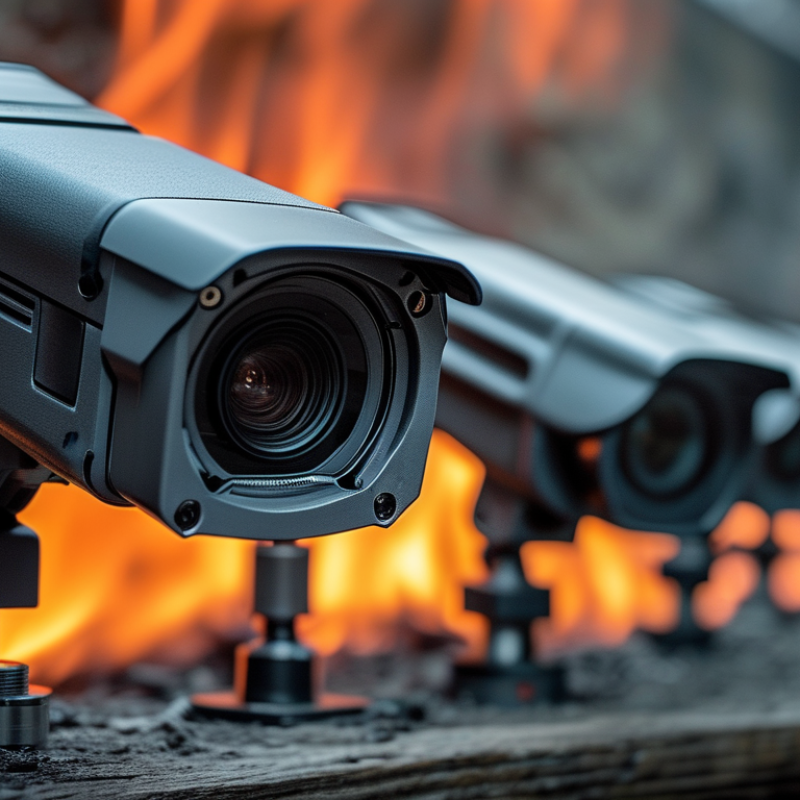
Key Specifications for 2026 Thermal Imaging Cameras
When exploring thermal imaging cameras for 2026, certain specifications stand out as essential factors. A higher resolution will improve image clarity. Look for at least 640x480 pixels for detailed thermal images. Enhanced sensitivity is crucial for detecting minor temperature variations. A sensitivity of less than 0.05°C is ideal for accurate readings. Portable designs are also important for fieldwork. Compact models increase accessibility in tight or challenging environments.
Battery life matters. Opt for a camera with at least eight hours of usage on a single charge. Extended use without interruptions is key for professional applications. Consider models with quick charging features for added convenience. Durability affects performance too. Cameras built for rugged environments are needed if you work in extreme conditions.
Tips:
Always test the camera's ergonomic design. Comfort in handling can improve your overall experience. Evaluate software compatibility for seamless data analysis. Remember, the best features may vary based on your specific needs. Reflect on how you intend to use the camera, making your choice more targeted. Seek expert reviews before making decisions; they often highlight aspects you might overlook.
Advantages of Advanced Sensor Technology in Thermal Cameras
Advanced sensor technology significantly enhances the performance of thermal imaging cameras. These sensors detect heat signatures with remarkable accuracy. A recent report from MarketsandMarkets highlights that the thermal imaging market is projected to reach $9.5 billion by 2026, driven by the demand for precision in various applications.
High-resolution sensors offer greater detail in images. Users can identify objects more clearly. For example, a 640x480 resolution provides a substantial increase in detail compared to lower resolutions. This improvement allows professionals in security and maintenance to make better decisions quickly. The use of advanced materials like uncooled microbolometers increases the sensitivity of thermal sensors. This leads to better performance, especially in challenging environments.
While these advancements are impressive, they do not come without challenges. Calibration and maintenance can require expert knowledge. Neglecting these aspects may lead to inconsistent results. Additionally, while the cost of thermal cameras has decreased, high-end models remain a significant investment. Users need to weigh their options carefully. Overall, understanding the advantages of advanced sensor technology is crucial for maximizing the utility of thermal imaging cameras.
User Interface and Software Features to Enhance Usability
When selecting a thermal imaging camera, user interface and software features play a vital role. A well-designed interface enhances user experience, enabling quick navigation through menus and settings. According to a recent industry report, 70% of users prefer cameras with customizable interfaces. They allow adaptation to specific professional needs, which can improve efficiency in various applications.
Software features are equally crucial. Integration with cloud services for remote access is a significant trend. A study found that 65% of professionals benefit from software that supports data storage and analysis in real-time. This capability allows teams to collaborate effectively and make informed decisions. Additionally, intuitive analytical tools can simplify complex data interpretation. However, some users report software bugs, highlighting the need for continuous updates and user feedback.
User training is another essential aspect. Even the best software can be ineffective if users lack proper training. Data indicates that only 50% of users feel comfortable with advanced features. This gap underscores the importance of comprehensive user support. Investing in better training can rectify this issue, ensuring that users maximize the potential of their thermal imaging systems. Addressing these needs sets a solid foundation for effective thermal imaging solutions in any professional setting.
2026 Top Thermal Imaging Camera Features Comparison
Durability and Environmental Ratings for Outdoor Thermal Cameras
When selecting a thermal imaging camera for outdoor use, durability is essential. Outdoor environments can be harsh. Cameras exposed to rain, dust, and extreme temperatures must withstand these conditions. Look for models with high IP ratings. An IP67 rating indicates the camera is dust-tight and can survive immersion in water. This feature is crucial for reliability in unpredictable weather.
Environmental ratings are another key aspect. Cameras designed for outdoor use should have high resistance to temperature variations. Some units function in temperatures ranging from -20°C to 50°C. This range ensures that your equipment will perform well in various climates. Additionally, rugged designs, including shock-resistant materials, enhance the camera's longevity.
However, many users overlook these features. Focusing too much on image quality can lead to a false sense of security. Users might neglect how well a camera can handle different elements. It’s important to remember that a camera's performance is not just about its resolution. Proper environmental features can significantly impact its effectiveness. Consider these details when making your choice.
2026 Top Thermal Imaging Camera Features to Look For
| Feature | Description | Importance Rating |
| Resolution | The number of pixels in the thermal image, generally higher resolution provides finer detail. | High |
| Durability | Ability to withstand harsh environmental conditions, including water and dust resistance. | Critical |
| Battery Life | Duration the camera can operate on a full charge, a higher rating indicates longer use without recharging. | High |
| Field of View | The extent of the observable world seen at any given moment, important for surveying large areas quickly. | Medium |
| Temperature Range | The range of temperatures the camera can accurately detect, important for specific applications. | Critical |
| Connectivity Options | Types of connectivity supported (e.g., WiFi, Bluetooth) for transferring data to other devices. | Medium |
| User Interface | Ease of use and accessibility of controls and menus. | High |
| Weight | The overall weight of the camera, important for handheld use and portability. | Medium |
Integration with Mobile Devices and IoT for Enhanced Functionality
The integration of thermal imaging cameras with mobile devices and the Internet of Things (IoT) is revolutionizing their functionality. This synergy allows users to analyze thermal data on-the-go. Imagine a technician assessing building insulation while receiving real-time data on a tablet. This immediate access leads to quicker decisions and improved efficiency.
The capacity to connect with IoT enhances the overall performance of thermal cameras. For instance, users can monitor equipment temperatures remotely. This feature aids in predictive maintenance, potentially preventing costly breakdowns. However, this connectivity raises questions about data security and privacy. Users must ensure that sensitive information is safeguarded against unauthorized access.
Mobile compatibility also impacts usability. By aligning camera functionalities with user-friendly applications, professionals can navigate through features easily. Yet, the learning curve can be steep for some. Users may find themselves frustrated by complex interfaces or lagging connections. Continued development is necessary to streamline these processes and enhance user experience.



 Close
Close