Top Strength Equipment Suppliers for Global Buyers?
Global buyers need more than attractive catalogs when choosing Strength Equipment suppliers. They need dependable products, clear specifications, and responsive support.
A commercial gym may order dozens of benches, racks, cable machines, and weight plates. Each item must survive repeated use, changing users, and demanding training schedules. A power rack can look impressive online, yet weak welds or unclear load ratings create serious concerns. Practical evaluation matters more than polished photography.
This introduction examines leading suppliers through a buyer’s perspective. It considers manufacturing experience, material quality, product testing, warranty terms, spare parts, and export capability. Factory audits and sample inspections can reveal details that brochures often hide. Ask for steel thickness, coating methods, cable ratings, and documented safety testing. Verify certifications against the destination market. Do not accept vague promises.
Arnold Schwarzenegger once said, “The resistance that you fight physically in the gym and the resistance that you fight in life can only build a strong character.” His words reflect the purpose behind reliable training equipment. Equipment should support progress, not interrupt it.
No supplier is perfect. Even careful comparisons can miss delivery delays or after-sales weaknesses. That limitation matters. Buyers should request references, review contract terms, and test communication before placing large orders. A lower quotation may become expensive after freight, installation, maintenance, and replacement costs. The strongest supplier is not always the largest. It is the one that consistently matches product quality, service capacity, budget, and local requirements.
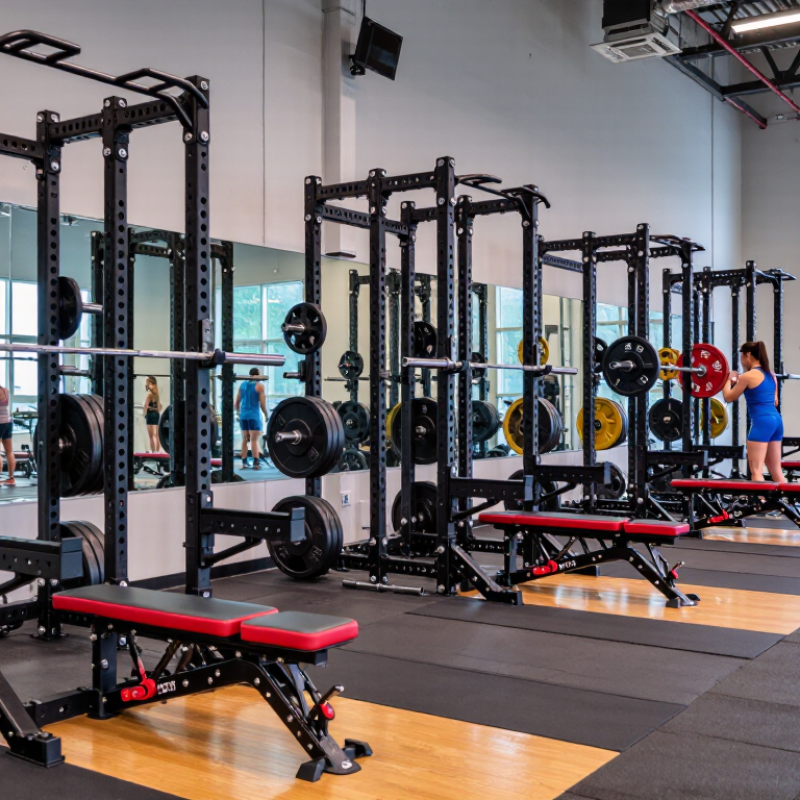
What Strength Equipment Suppliers Do and Why They Matter
Strength equipment suppliers do more than sell racks, benches, and cable machines. They translate training goals into safe, workable equipment plans. A serious supplier asks about facility size, user levels, floor loading, and maintenance capacity. Those questions matter. A compact studio needs different choices from a public training center. Suppliers may provide drawings, load ratings, material details, and installation guidance. Clear documentation helps buyers compare products without relying on polished photographs.
Their technical role continues after an order is placed. They coordinate production checks, packaging, freight, delivery schedules, and on-site assembly. For heavy equipment, a damaged corner or missing fastener can delay an entire installation. Quality teams should inspect welds, moving parts, cable routing, upholstery, and protective finishes. They should also explain testing methods and provide practical user manuals. Reliable communication is not decoration. It reduces uncertainty across time zones, languages, and service expectations. Buyers should request spare-part lists, warranty terms, inspection records, and response procedures before payment.
Suppliers also influence long-term operating costs. A durable frame, replaceable cable, and accessible adjustment point can reduce downtime. Yet no supplier is perfect. Specifications can be misunderstood, shipping damage can occur, and installation advice may be too general. Buyers need to check measurements independently and involve qualified local professionals when required. That extra effort protects users and budgets. The best supplier relationship is not passive purchasing; it is a documented process of questions, verification, and occasional correction.
What Strength Equipment Suppliers Provide and Why They Matter
Commercial buyers depend on suppliers for equipment that combines appropriate load capacity, user safety, durability, installation support, and replacement parts. The chart compares representative maximum working loads commonly found in commercial-strength equipment categories.
Reference values are representative commercial specifications in kilograms, not market-share data. Actual ratings vary by equipment design, configuration, and manufacturer.
How to Assess Quality, Safety, and Manufacturing Capabilities
Choosing top strength equipment suppliers requires more than comparing catalog prices. Global buyers should inspect steel grades, weld penetration, cable ratings, and load testing records. ISO 20957 specifies safety requirements for stationary training equipment, including stability, construction, and user protection. Ask suppliers to provide current test reports, calibration records, and certificates from independent laboratories.
Safety evidence should match real gym conditions. Look for guards around pinch points, secure adjustment pins, clear warning labels, and emergency stopping procedures. The World Health Organization reports that 31% of adults worldwide did not meet recommended physical activity levels in 2022, supporting continued demand for accessible training equipment. However, high demand can encourage rushed production. Inspect sample units personally. Small defects matter.
Tips: Request a factory video audit and a live production inspection. Check whether welds look even, powder coating covers corners, and upholstery seams resist pulling. Ask for fatigue-test cycles, spare-part availability, and documented quality-control checkpoints. The 2024 ACSM Worldwide Survey of Fitness Trends placed traditional strength training among leading global fitness trends. That supports the market, but survey interest does not prove manufacturing reliability. No audit is perfect. Recheck critical claims through independent testing, especially when shipping equipment across different climates and regulatory markets.
How to Select a Supplier and Manage International Procurement
Top Strength Equipment Suppliers for Global Buyers?
How to Select a Supplier and Manage International Procurement
Selecting a strength equipment supplier requires more than comparing unit prices. Review factory experience, production capacity, material specifications, and export records. Ask for recent product samples, welding photographs, and load-test reports. A reliable supplier should explain steel grades, coating thickness, padding density, and maximum user weight clearly. Vague answers deserve caution.
Audit communication before placing a large order. Test response times with technical questions and revision requests. Request a video inspection of the production line, warehouse, and packaging area. Independent quality inspection can verify dimensions, surface defects, labels, and carton strength. I have learned that attractive samples sometimes hide inconsistent mass production. The sample is not the whole story.
International procurement also depends on precise documents. Confirm the commercial invoice, packing list, HS classification, origin statement, and shipping responsibilities. Define Incoterms, payment milestones, insurance, and delivery dates in writing. Check whether the equipment meets safety requirements in the destination market. Local testing or registration may still be necessary. Build spare parts into the purchase order, including cables, pins, pads, and fasteners. Ask how claims are handled across time zones. A low price can become expensive after port delays, damaged cartons, or missing components. I still leave extra time in project schedules because forecasts are often too optimistic.



 Close
Close 
