| 1 | Brake pads and rotors | Inspect regularly; service life depends heavily on driving style, vehicle, and road conditions. | Routine friction wear creates recurring replacement needs, while older vehicles may also need related brake components. | High; safety-critical, recurring maintenance |
| 2 | 12-volt batteries | Often last about 3–5 years; climate, usage, and charging-system condition affect lifespan. | Battery capacity declines with age, and electrical or charging issues can become more common as vehicles age. | High; predictable replacement cycle |
| 3 | Tires | Check tread, pressure, damage, and age routinely; replacement depends on condition and use. | Tires wear with mileage and time. Alignment or suspension problems can accelerate uneven wear. | High; essential wear item across vehicle types |
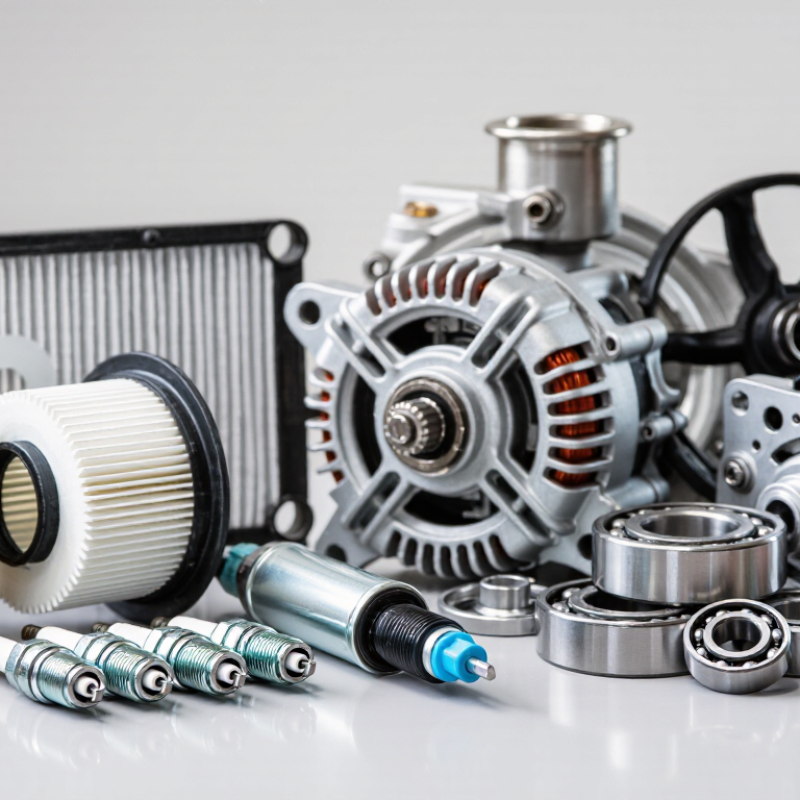
| 4 | Filters (engine air, cabin air, oil, and fuel) | Replace according to the vehicle maintenance schedule and operating conditions. | Filters are routine service items; dusty conditions and high mileage can increase maintenance needs. | High; frequent, schedule-driven purchases |
| 5 | Spark plugs and ignition components | Spark-plug intervals vary substantially by plug type and engine; follow the owner's manual. | Wear or failure can cause misfires, hard starting, or reduced engine performance in applicable vehicles. | Medium-high; important scheduled and repair demand |
| 6 | Alternators and starters | Condition-based replacement; test the battery and charging or starting system before replacing parts. | Electrical and starting-system faults can cause breakdowns, and diagnosis is important because symptoms can overlap. | Medium-high; repair-driven demand |
| 7 | Shock absorbers and struts | Inspect for leakage, damage, tire wear, and changes in handling; replace based on condition. | Suspension wear can affect ride, tire wear, and vehicle control, especially on rough roads or at higher mileage. | Medium-high; age- and mileage-related repairs |
| 8 | Water pumps and cooling-system parts | Inspect for leaks, overheating, noise, and maintenance-history requirements; service intervals vary by vehicle. | Cooling-system failures can lead to overheating and costly engine damage, making early diagnosis important. | Medium; lower frequency but potentially urgent repairs |
| 9 | Belts and hoses | Inspect for cracking, fraying, swelling, leaks, or loss of tension; replacement schedules vary. | Rubber components deteriorate with age and heat, even when annual mileage is relatively low. | Medium; age-related preventive maintenance |
| 10 | Wheel bearings and hubs | Condition-based replacement after diagnosis of noise, looseness, or other signs of wear. | Wear can develop with mileage, road impacts, and operating conditions; correct diagnosis helps avoid unnecessary replacement. | Medium; repair-driven demand that increases with use and age |



 Close
Close