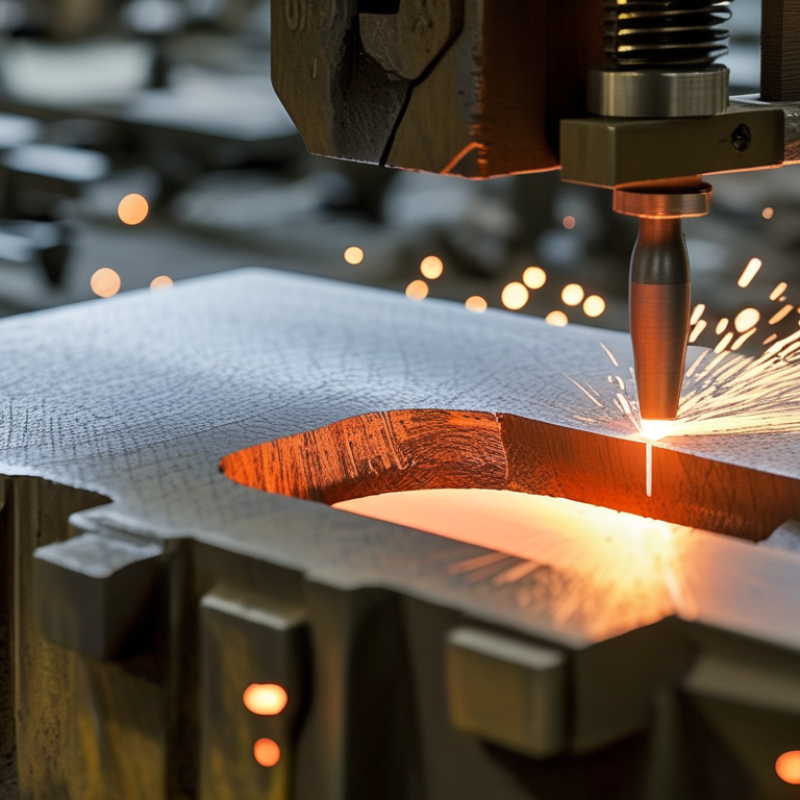
Choosing a metal forging manufacturer for a global project requires more than comparing unit prices. Review its experience with your alloy, part size, tolerance, and production volume. Ask for sample inspection reports, process records, and recent project references. Ask for evidence.
A capable supplier should explain die design, heating control, forging pressure, and heat treatment clearly. Visit the workshop virtually or in person, if possible. Look for calibrated testing equipment, traceable material certificates, and organized production areas. A clean floor is not proof of quality, but missing records are a warning. Confirm how the manufacturer manages dimensional inspection, non-destructive testing, packaging, and shipment preparation.
Communication deserves equal attention. Can the engineering team answer technical questions without hiding behind sales language? Test this with a small drawing review. Their response should identify risks, not simply promise success. Clarify lead times, tooling ownership, minimum order quantities, and how design changes affect cost. Check whether quality documents match the parts actually shipped. This step is often rushed, and that can become expensive later.
Price comparisons should include tooling, testing, freight, rework, and potential delays. A lower quotation may reflect thinner inspection or unclear material control. Still, a high price does not guarantee better performance. Use a pilot order with defined acceptance criteria before approving full production. Some evaluation methods look rigorous but miss supplier communication and after-sales response. That weakness deserves honest reconsideration.


 Close
Close