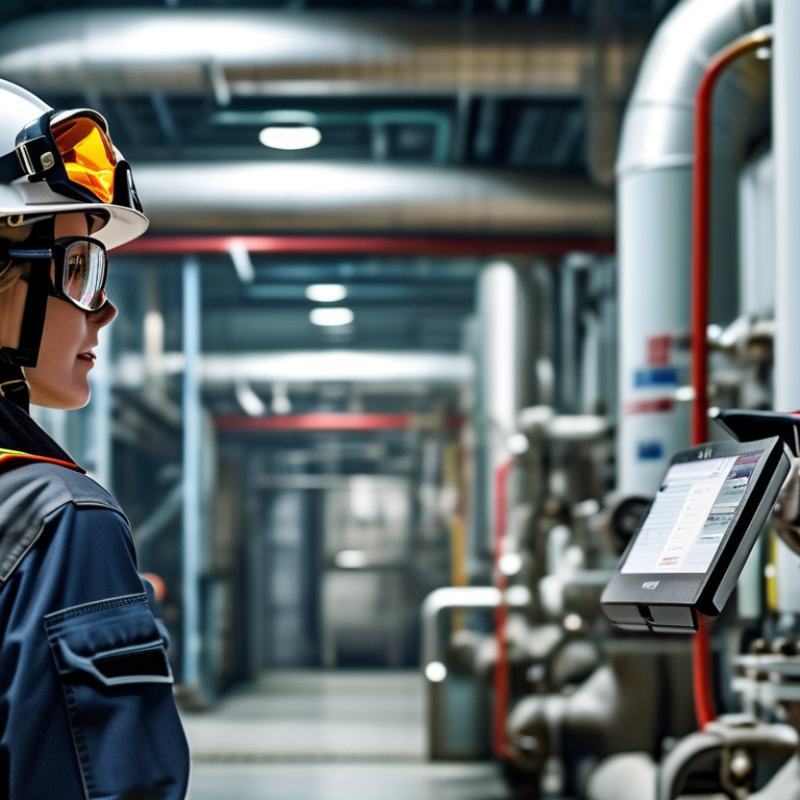
Gas detection systems play a critical role in maintaining safety in various environments. Their primary function is to identify hazardous gases, providing an early warning to prevent potential disasters. These systems utilize a range of sensors to detect gases like carbon monoxide, methane, and hydrogen sulfide, which can be dangerous in industrial, commercial, or residential settings. The technology can be simple or complex, but each system shares a common goal: protecting lives.
Understanding the importance of gas detection is essential for implementing effective safety measures. Everyday environments pose unseen risks, and without proper detection, these gases can lead to health issues or fatal accidents. Regular maintenance and calibration of these systems are necessary to ensure reliable performance. Even the most sophisticated systems can fail if not properly maintained. Training personnel on how to react when alarms sound is also crucial.
Selecting the right gas detection system involves considering specific safety needs. Factors like the types of gases present and the layout of a facility can impact the effectiveness of a system. No one-size-fits-all solution exists, and decisions must be made based on risk assessments. Poor choices in this area can lead to devastating consequences, reminding us of the ongoing need for vigilance in safety practices.


 Close
Close