Top 10 Butterfly Valves for Sale You Should Consider?
In the world of industrial valves, choosing the right equipment is critical. butterfly valves for sale offer unique benefits due to their simple design and efficient operation. A recent market report indicated that the demand for butterfly valves is projected to grow by 5.2% annually. This growth highlights their importance in various applications, from water treatment to chemical processing.
Expert James Thompson, an authority in valve technologies, stated, "The efficiency of butterfly valves makes them a preferred choice for many industries." His insights emphasize the reliability and cost-effectiveness of these valves. However, not all products meet industry standards. Some options may lack durability or proper seals, leading to potential leaks.
Investing time in research is essential when considering butterfly valves for sale. Ensuring the right specifications and quality is vital to avoid future issues. The right choice can improve system performance significantly while others could leave room for concern. It's crucial to evaluate each option carefully to find the best fit for your needs.
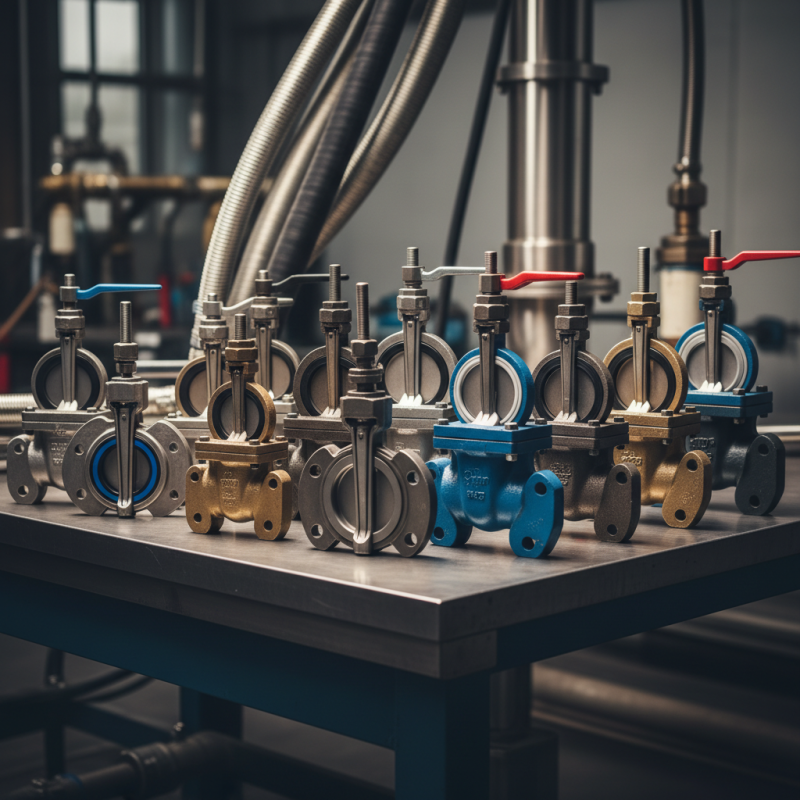
Overview of Butterfly Valves and Their Applications
Butterfly valves play a vital role in various industries. They regulate flow and can handle different fluids. They are widely used in water supply, HVAC systems, and chemical processing. According to a market analysis, the global butterfly valve market is projected to grow by 5.3% annually through 2025. This indicates robust demand and increasing applications across sectors.
The simplicity of butterfly valves makes them cost-effective. Their design features a rotating disk which allows for quick and easy operation. They can be found in large pipelines and smaller systems. However, they may not perform well under extreme pressure. Specific use cases often require reevaluation of which valve type to employ.
Moreover, the construction material affects their lifespan. Common materials include cast iron, stainless steel, and PVC. While stainless steel offers durability, it is often more expensive. Each material choice comes with trade-offs. Understanding the application needs is essential for selecting the right butterfly valve. As industries evolve, continuous research must address limitations and improve performance.
Top 10 Butterfly Valves - Characteristics Comparison
Key Features to Look for in Butterfly Valves
When considering a butterfly valve, key features play a critical role in ensuring efficiency and durability. One essential aspect is the valve's body material. Different materials offer various resistance levels to corrosion and wear. For example, stainless steel is robust and often preferred for demanding environments. Additionally, the valve's sealing mechanism should provide a reliable, leak-tight seal. Soft seats often offer better sealing compared to hard seats, but they may have a shorter lifespan under extreme pressure and temperature.
Another feature worth examining is the valve's size and design. Measurements must align with your piping system. A valve that is too large or too small can lead to flow issues. Moreover, consider the actuator type. Manual, electric, or pneumatic actuators have unique advantages and limitations. For instance, manual actuators are cost-effective but may lack the convenience of automation. Conversely, electric actuators provide ease but can be more expensive and require power sources. Ultimately, understanding these features will ensure you choose a butterfly valve that meets your specific needs and conditions.
Top 10 Butterfly Valves on the Market and Their Specifications
When exploring the top butterfly valves available, several key specifications stand out. These valves are essential for flow control in various industries like oil, gas, and water treatment. Their design allows for quick and efficient operation. Materials often include ductile iron, stainless steel, and PVC, influencing durability and compatibility.
According to industry reports, the global butterfly valve market is expected to grow significantly. A recent analysis indicated that the demand for lightweight and corrosion-resistant materials is increasing, making the selection of the right valve critical. Factors like pressure rating, temperature range, and size are crucial in choosing the right valve for specific applications.
Tips: Always check the valve’s pressure drop specification. It can affect overall system efficiency. Consider the medium flowing through the valve. Compatibility with fluids is vital. Lastly, regular maintenance is essential. Inspect valves periodically for wear and tear. Proper care can extend their lifespan significantly.
Top 10 Butterfly Valves for Sale You Should Consider
| Valve Size | Material | Pressure Rating | Temperature Range | Connection Type | Special Features |
| 2 inches | PVC | 150 PSI | -10 to 60 °C | Socket Weld | Lightweight |
| 4 inches | Cast Iron | 300 PSI | -20 to 80 °C | Flanged | Corrosion Resistant |
| 6 inches | Stainless Steel | 150 PSI | -50 to 150 °C | Clamp | High Durability |
| 8 inches | Aluminum | 250 PSI | -20 to 120 °C | Threaded | Lightweight and Strong |
| 10 inches | Bronze | 200 PSI | -10 to 80 °C | Flanged | Good for Steam Application |
| 12 inches | Ductile Iron | 150 PSI | -30 to 100 °C | Lugged | Sealing Capability |
| 14 inches | Rubber Lined | 250 PSI | 0 to 80 °C | Flanged | Noise Reduction |
| 16 inches | PVC | 150 PSI | -10 to 60 °C | Socket Weld | Lightweight |
| 18 inches | Cast Iron | 300 PSI | -20 to 80 °C | Flanged | Corrosion Resistant |
| 20 inches | Stainless Steel | 150 PSI | -50 to 150 °C | Clamp | High Durability |
Comparative Analysis of the Leading Butterfly Valve Brands
When evaluating butterfly valves, understanding various brands is crucial. Each brand offers unique features and benefits. The materials used can significantly impact durability and performance. Some brands rely on stainless steel for strength, while others use PVC for cost-effectiveness.
Valve performance is often tested through real-world applications. Flange designs may differ, affecting installation. Some users report challenges with tight seals. It’s important to consider the specific needs of your project. Engaging with industry forums can provide insights and user experiences that are often overlooked.
Affordability varies greatly. Budget-friendly options might compromise on longevity. Conversely, high-priced models don’t always guarantee the best results. Users should weigh cost against performance and reliability. Evaluating these factors can lead to a more satisfying purchase. Always remember to question what seems perfect; sometimes imperfections reveal true value.
Maintenance Tips for Maximizing the Lifespan of Butterfly Valves
Maintaining butterfly valves is crucial for optimal performance. Regular maintenance can prolong their lifespan significantly. A study by the Hydraulic Institute shows that proper upkeep can enhance valve durability by up to 30%. Yet, many overlook simple maintenance steps.
Routine inspections are vital. Look for signs of wear and tear. Check stems and seals for any damage. Ensure that the valve operates smoothly without excessive force. Lubrication is key; however, too much grease can collect dirt. This may cause the valve to malfunction. Use the right lubricant to avoid such issues.
Temperature fluctuations can also impact performance. Regularly assess the environment where valves are installed. Extreme heat or cold can lead to material degradation. Keep an eye on installation conditions. Stress points can lead to cracks. Research indicates that nearly 25% of valve failures stem from improper installation. Frequent checks can catch problems before they escalate.


 Close
Close