Top Box Die Cutting Trends at the 139th Canton Fair?
The 139th Canton Fair will showcase notable trends in Box Die Cutting, addressing the evolving needs of the packaging industry. This event, taking place in April and May of 2026, highlights advanced manufacturing and machinery innovations. With over 1.55 million square meters of exhibition space, companies will demonstrate cutting-edge technologies and sustainable practices.
Box Die Cutting techniques are crucial for producing customized packaging solutions. Businesses are increasingly focusing on efficiency and design flexibility. The integration of AI-driven tools at the fair allows buyers to swiftly identify suppliers with relevant certifications such as ISO and CE. However, some challenges persist, including the need for greater innovation and adaptation to market trends.
As manufacturers share their latest advancements, the fair emphasizes collaboration and learning. While many exhibitors showcase effective solutions, there are areas for improvement. Understanding the intricate balance between cost, quality, and creativity remains essential. The future of Box Die Cutting lies in overcoming these hurdles to meet customer demand for innovative packaging.
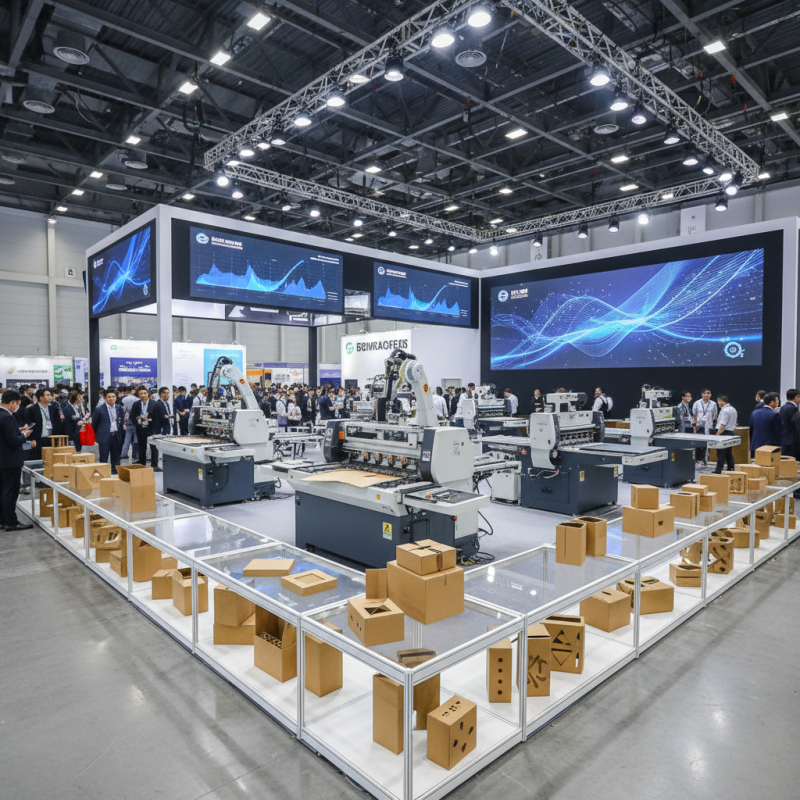
Top Box Die Cutting Innovations Showcased at the 139th Canton Fair
At the 139th Canton Fair, innovative box die cutting trends took center stage. Exhibitors showcased cutting-edge technology that transforms packaging. This year, sustainability was a hot topic. Many companies presented eco-friendly materials. These materials reduce waste while maintaining functionality. Bright colors and unique shapes drew attention, highlighting the artistic side of packaging.
Some innovations lacked practical application, though. While great in theory, certain designs seemed overly complicated. Simplicity often works better in packaging. Attendees noticed that functionality should not take a backseat. Many designers focused on aesthetics, but usability is crucial for success. A balance of beauty and efficiency is needed in future designs.
Interactivity played a role in many displays. Some booths even allowed for hands-on experience with the die-cutting processes. This engaged visitors and sparked conversation. However, some aspects didn't resonate as well. Not all visitors were knowledgeable about die cutting. Clearer explanations could enhance understanding. Overall, the fair offered a glimpse into the exciting future of box die cutting.
Top Box Die Cutting Innovations Showcased at the 139th Canton Fair
| Innovation Type | Features | Material Compatibility | Market Demand | Sustainability |
| Digital Die Cutting | Precision cutting, quick setup | Cardboard, Paper, Plastic | High | Energy efficient, recyclable materials |
| Rotary Die Cutting | High speed, continuous production | Foil, Film | Medium | Minimal waste, reusable dies |
| Flatbed Die Cutting | Versatile, suitable for complex shapes | Wood, Heavy Paper | Low | Supports sustainable sourcing |
| Laser Die Cutting | Highly accurate, no tool wear | Acrylic, Fabric | Rising | Low emissions, reduced material waste |
Market Growth Projections for Box Die Cutting Industry Through 2025
The box die cutting industry is set for significant growth through 2025. According to projections, the market is expected to expand at a CAGR of 4.5% during this period. This growth can be attributed to the rising demand for packaging in various sectors. E-commerce, in particular, is driving the need for innovative and customized packaging solutions.
However, the industry faces challenges. Many companies struggle to keep pace with technology advancements. Adopting new die cutting techniques can be costly. Firms must invest wisely. Research shows that those who embrace automation see an increase in efficiency by 30%. This presents a vital opportunity and a potential pitfall for businesses that hesitate to innovate.
Tips: Focus on training your workforce on modern equipment. Consider exploring sustainable materials. This approach not only meets consumer demand but also aligns with environmental goals. Ultimately, staying adaptable in this evolving landscape is crucial for thriving in the box die cutting realm. Embrace change and be ready for future challenges.
Analysis of Eco-Friendly Materials in Box Die Cutting Trends
The recent trends in box die cutting at the 139th Canton Fair highlight a significant shift toward eco-friendly materials. Exhibitors displayed innovative designs that incorporated sustainable substances. Many companies aimed to reduce plastic usage in their packaging. This change resonates with growing consumer demand for environmentally conscious products.
Notably, materials like recycled cardboard and biodegradable films gained traction. These options not only reduce waste but also enhance the aesthetic appeal of packaging. However, some designs lacked durability. This raises questions about the balance between sustainability and functionality. Manufacturers face the challenge of creating robust packaging while maintaining eco-friendly standards.
The integration of natural inks and coatings also stood out in various displays. These alternatives promote health and safety for consumers. Yet, not all products met industry standards. Some samples exhibited issues like smudging or fading. It's clear that while the move toward sustainable materials is commendable, there is still room for improvement and innovation in this evolving landscape.
Top Box Die Cutting Trends at the 139th Canton Fair
This chart presents the trends in eco-friendly materials used in box die cutting, with data collected from the 139th Canton Fair. The increase in sustainable materials reflects the industry's shift towards environmentally responsible practices.
Technological Advancements Driving Efficiency in Die Cutting Processes
At the 139th Canton Fair, technological advancements in die cutting processes were prominent. The focus was on combining speed with precision. New machinery incorporated automation and smart technology. These innovations allow for faster production cycles. The ability to quickly adjust settings improves output quality.
One standout feature was the use of AI in die cutting. It optimizes the cutting paths and reduces material waste. Users noticed a decrease in errors, enhancing overall efficiency. However, reliance on technology raised concerns. Some operators felt that manual skills might decline. Finding a balance between tech and craftsmanship is essential.
Another trend involved eco-friendly materials. Manufacturers are exploring sustainable options for die cutting. Natural fibers and biodegradable substances gained traction. This shift aims to address environmental challenges. Yet, achieving consistent quality with these materials can be tricky. The search for solutions continues, as companies strive for both efficiency and sustainability.
Consumer Preferences Impacting Design Trends in Box Die Cutting Solutions
At the 139th Canton Fair, one noticeable trend in box die cutting is the impact of consumer preferences. Buyers are increasingly focusing on sustainable materials. They seek packaging that is eco-friendly and easily recyclable. This shift is pushing manufacturers to innovate while balancing cost-effectiveness and environmental responsibility.
Moreover, customization is becoming essential in the design process. Consumers want unique, tailored solutions for their packaging needs. Simple, elegant designs that resonate with their brand values are in high demand. However, some manufacturers struggle to meet these expectations without compromising on production efficiency. The challenge lies in managing both creativity and practicality.
Additionally, color and texture play a significant role in consumer choices. Bold colors can attract attention, while textured finishes add a tactile element. Yet, not every design resonates with all demographics. This raises questions about market research and audience targeting. Experimentation remains a crucial part of the design journey, even if some concepts may not land well.


 Close
Close