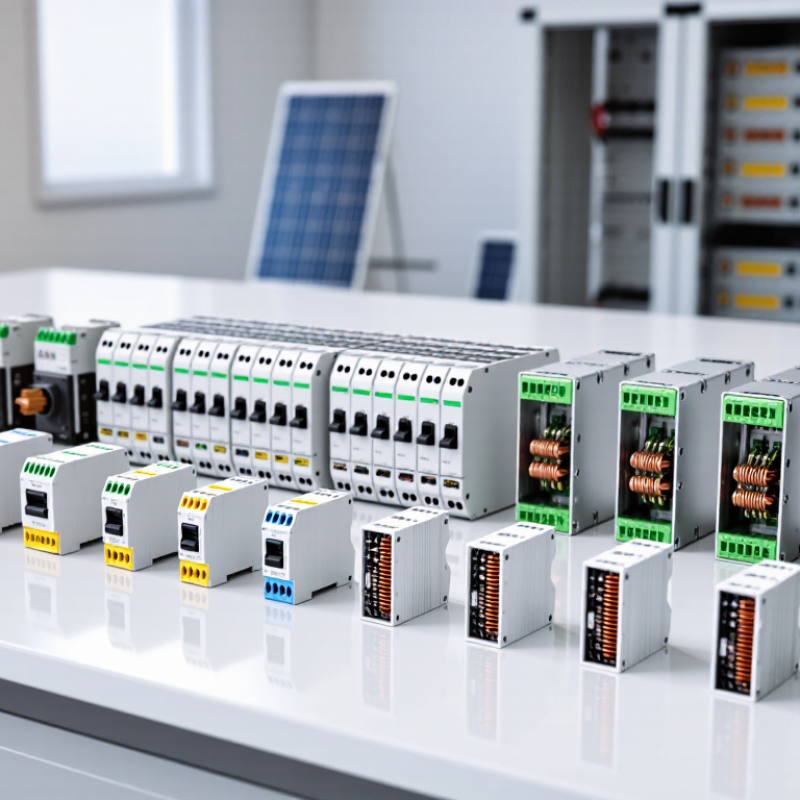
When comparing China’s top ten DC surge protection suppliers, start with your project conditions, not a ranking. A rooftop solar array, battery cabinet, and charging station require different protection choices.
Confirm maximum DC voltage, short-circuit current, system grounding, and expected lightning exposure.
Ask suppliers for clear specifications, independent test reports, and applicable standard references. A vague datasheet is a warning sign.
Check the supplier’s technical depth. Can its engineers explain voltage protection level, discharge current, thermal disconnection, and remote monitoring? Request samples before placing a large order. Inspect terminal strength, enclosure materials, labeling, and wiring instructions.
Also review factory quality controls, batch traceability, inspection records, and warranty procedures. These details often reveal more than polished sales language.
I once focused too heavily on unit price. That choice created extra checking work later. A lower quotation may exclude testing, documentation, or customized fittings. Compare complete project costs instead.
Discuss delivery schedules, spare parts, communication response, and after-sales support in writing.
A factory audit, even through a live video call, can expose practical weaknesses. Still, no audit removes every risk.
Keep a small pilot order, define acceptance criteria, and record problems honestly before expanding cooperation.


 Close
Close