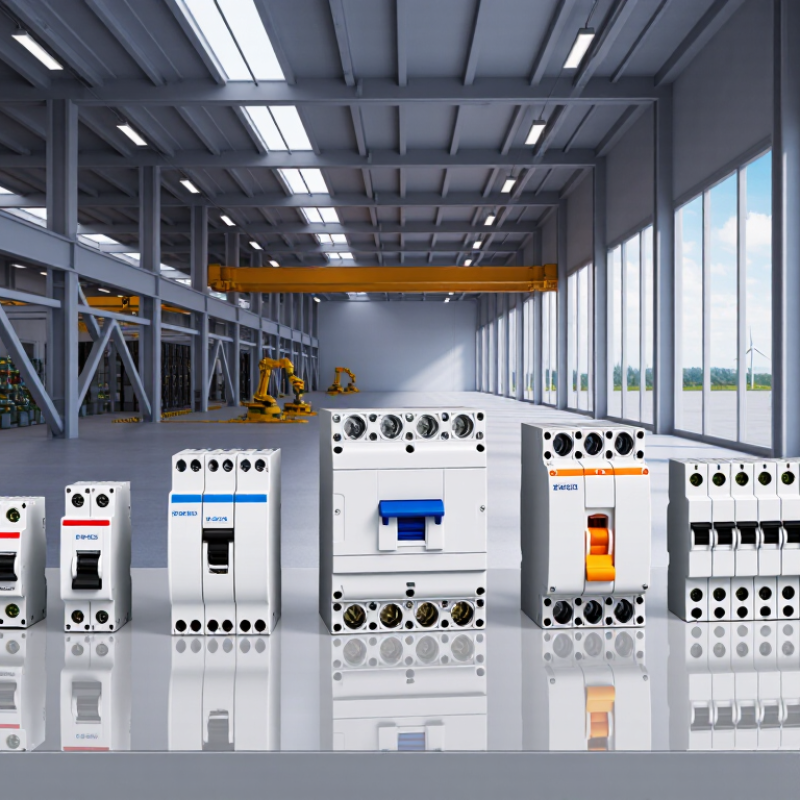
A review of ten leading ACB manufacturers worldwide shows clear differences across 400–690 V systems. Industrial facilities often require high short-circuit capacity, adjustable protection, and strong endurance. Commercial buildings usually prioritize compact installation, selective coordination, and simple maintenance. These needs can change the best choice.
At 400 V, ACBs commonly serve main switchboards, hospitals, data centers, and large offices. At 690 V, motor control centers, pumps, compressors, and renewable power equipment demand greater insulation performance. Engineers should compare rated current, Icu, Ics, breaking time, and electronic trip-unit accuracy. Field experience also matters. Dust, heat, vibration, and limited cabinet space can affect service life. A clean laboratory result may not represent a crowded factory room. That is an uncomfortable gap.
Tips: Check the real fault level, not only the nominal voltage. Confirm vertical or horizontal mounting requirements. Test communication functions before commissioning. Keep spare trip units available. Small details prevent large outages.
Application comparisons should include protection settings, busbar compatibility, arc-flash practices, and local service capability. A 400 V commercial panel may need fewer advanced functions than a 690 V industrial feeder. However, under-specifying communications can weaken energy monitoring later. Over-specifying them can raise cost without improving safety. The comparison should use verified test certificates, installation records, and maintenance feedback. Some published data remains difficult to compare directly, so independent engineering review is still valuable.



 Close
Close