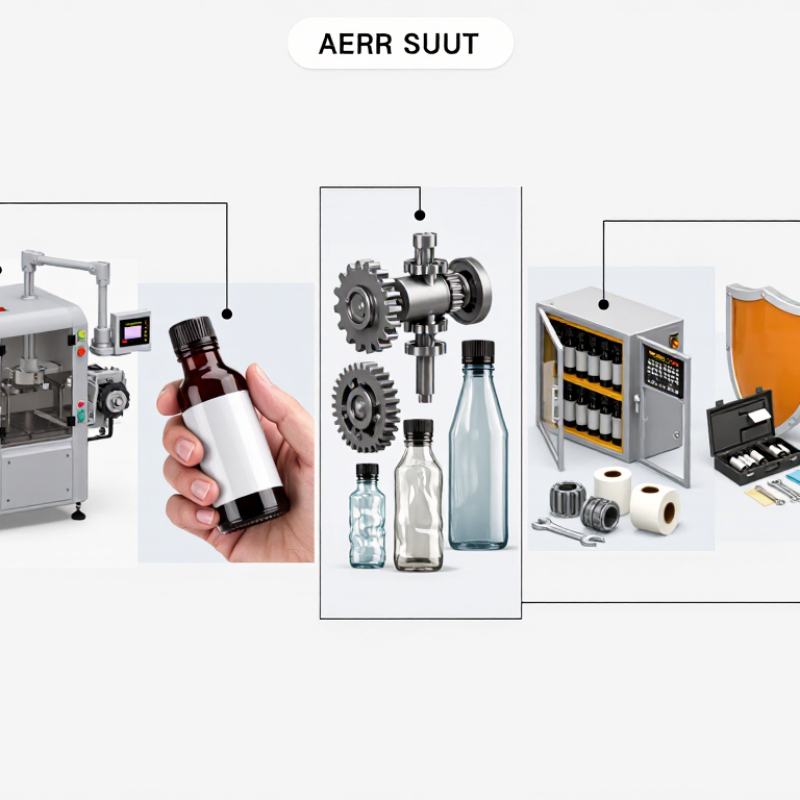
Choosing a bottle labeling machine requires more than checking its maximum speed.
In daily production, changeover time often matters more. A line may switch from 250 ml bottles to 750 ml bottles several times per shift. Look for tool-free adjustments, clear format markings, and recipes that store proven settings. Operators should change guides, label rolls, and sensor positions without guesswork. A ten-minute delay can become an expensive hour.
Controls should match the team’s real experience. A responsive touchscreen, simple prompts, and visible fault messages reduce avoidable stops. Ask whether the machine records downtime, label waste, and production counts. These details help supervisors identify recurring problems instead of relying on memory. I once underestimated the value of glove-friendly controls during a wet-room installation. That assumption was wrong. Small interface details affected every shift.
Integration deserves equal attention. Confirm communication options with the conveyor, filler, capper, vision inspection, and reject system. The labeling machine should receive stable speed signals and stop safely when upstream equipment pauses. Check whether it can connect with existing production software or export useful data. Request a full line test with your actual bottles, labels, adhesives, and target speeds. A machine may perform well alone but behave differently when conveyor spacing changes. Leave room for future products, too. Overlooking that flexibility can force another costly equipment decision.


 Close
Close