Top Tips for Choosing the Right Locking Wire Series?
When selecting the right Locking Wire Series, practical considerations play a crucial role. Choosing a locking wire can be challenging, given the variety available on the market. It’s essential to focus on specific attributes that align with your application needs. Do you require flexibility or strength? Knowing your priorities can guide your decision.
Each Locking Wire Series has unique features. Materials can differ, impacting durability and performance. Take the time to evaluate the environmental conditions where the wire will be used. Extreme temperatures or corrosive settings require careful material selection.
It’s also vital to consider expert recommendations. Engaging with knowledgeable suppliers can provide insights you might overlook. Sharing experiences or seeking advice from professionals can refine your choice. It’s okay to admit uncertainty when faced with options. This openness can lead to better-informed decisions, ensuring you select the most suitable Locking Wire Series for your needs.
Understanding the Different Types of Locking Wire Series
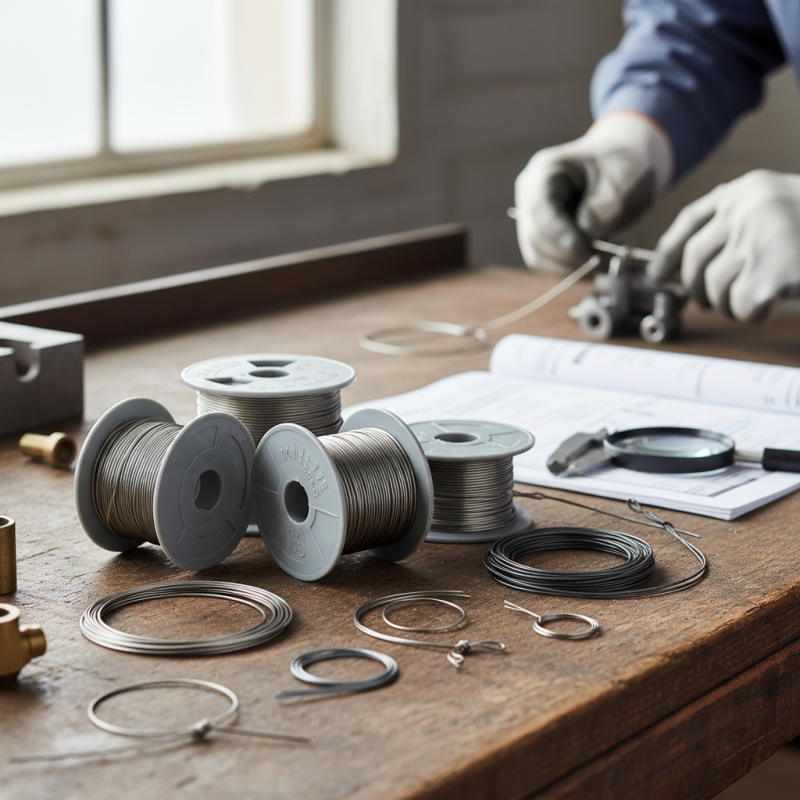
Locking wire is essential for securing critical components in various industries. The types of locking wire series vary significantly. Understanding these variations is key to making an informed choice. The two most common types are stainless steel and copper locking wires. Stainless steel offers resistance to corrosion, making it ideal for harsh environments. Copper, on the other hand, is often used for electrical applications due to its conductive properties.
When selecting a locking wire series, consider the application type. For aerospace or automotive use, high-strength options may be necessary. It ensures reliability under intense conditions. While flexibility in application is important, choosing the wrong type can lead to failures. Research into the material and gauge is vital for safety standards.
A practical tip is to examine the specifications of the environment. If moisture is present, stainless steel should be a priority. For simplicity, think about the future use cases. Choosing a higher grade might be beneficial down the line. Stay aware of changing regulations or standards in your industry. This can require periodic reassessment of your locking wire needs.
Key Factors to Consider When Selecting Locking Wire
When selecting locking wire, understanding key factors is crucial. The right choice can significantly impact safety and performance. According to a recent report from the International Fastener Association, 35% of failures in machinery are related to improper fastening techniques, including the use of inadequate locking wires.
One of the main factors to consider is material. Stainless steel is often preferred due to its resistance to corrosion. On the other hand, copper offers excellent conductivity but may not be suitable for all applications. Evaluate the environmental conditions where the locking wire will be used. Factors like temperature extremes and humidity can affect material performance.
Another vital aspect is wire diameter. A thicker wire can provide more strength but may also be harder to work with. A thinner wire might be easier to handle but could compromise safety under heavy loads. It's important to conduct stress tests to find the ideal balance.
Tip: Always prioritize safety ratings and certifications. Reputable sources often provide guidelines that indicate safe usage limits. This ensures that the locking wire meets industry standards. Regularly reviewing these standards can prevent costly mistakes in the long run. Remember, even minor details can lead to significant impacts on performance.
Assessing the Applications of Locking Wire in Various Industries
Locking wire serves critical functions across various industries, ensuring components remain secure in high-stakes environments. In aerospace, for example, it plays an essential role in keeping aircraft parts tightly fastened. According to the Aerospace Industries Association, over 40 million parts are manufactured annually, many of which require reliable locking mechanisms to prevent costly failures.
In the automotive sector, locking wire is equally crucial. It contributes to safety and performance. A study by the Society of Automotive Engineers found that inadequate fastening caused 30% of vehicle recalls. In high-performance vehicles, every component must endure harsh conditions, making especially designed locking wires vital.
The medical industry also relies on locking wire for device assembly. Surgical instruments must remain intact under stress while being sterilized. Data from the Medical Device Manufacturers Association shows that 25% of device failures relate to assembly issues. Effective use of locking wire can mitigate such risks. Each application demands precision and careful selection of materials, potentially leading to challenges in ensuring compliance with industry standards.
Analysis of Locking Wire Applications in Various Industries
Evaluating the Strength and Durability of Locking Wire Options
When choosing locking wire, strength and durability are crucial factors. A locking wire should withstand harsh conditions without breaking or loosening. Look for materials that resist corrosion and wear. Stainless steel is a popular choice due to its strength and resistance to rust. It's essential to assess the wire’s tensile strength since a wire cannot function effectively if it snaps under pressure.
Testing various locking wire options can provide useful insights. Consider environmental factors when evaluating strength. Extreme temperatures, moisture, and exposure to chemicals can degrade wire quality over time. Make sure to also review the manufacturer's specifications to understand limitations. A wire that’s perfect for one application may not work in another.
Reflecting on past experiences can help inform your decision. Some users may find that a certain wire performed well initially but failed in long-term use. Don’t overlook the importance of installation techniques as well. An improperly installed wire can compromise even the strongest material. Prioritize comprehensive practices to ensure the longevity of your locking wire solution.
Top Tips for Choosing the Right Locking Wire Series
| Locking Wire Type | Material | Tensile Strength (lbs) | Temperature Resistance (°F) | Corrosion Resistance |
| Stainless Steel Wire | Stainless Steel | 1000 | 1000 | Excellent |
| Galvanized Wire | Carbon Steel | 900 | 500 | Good |
| Titanium Wire | Titanium Alloy | 1200 | 1200 | Excellent |
| Copper Wire | Copper | 800 | 300 | Fair |
| Aluminum Wire | Aluminum | 700 | 400 | Good |
Best Practices for Installation and Use of Locking Wire Series
When installing a locking wire series, attention to detail is crucial. Mounting holes must align perfectly, as misalignment can lead to failures. Industry reports indicate that incorrect installations account for nearly 30% of component failures in aerospace applications. Use the right tools to achieve precision. A caliper or gauge can ensure proper spacing.
Following best practices helps in the long run. Regular inspections are recommended. According to data from the Manufacturing Institute, 25% of machinery breakdowns stem from inadequate maintenance. Keeping a maintenance log can track installations and inspections. It encourages proactive measures rather than reactive fixes.
Consider flexibility in wire choices. Different environments require different materials. Stainless steel is often favored for its strength and resistance to corrosion. However, it's not always the best option for every situation. Using the wrong type of wire can compromise safety. Assessing the environment can prevent future mistakes. Each installation teaches valuable lessons for improvements.



 Close
Close