What is Spider Coupling and How Does It Work?
In the world of mechanical engineering, "spider coupling" plays a critical role. This crucial component connects rotating shafts, allowing flexibility and vibration reduction. Experts like Dr. Emily Chen, a renowned authority in vibration control, state, "Spider couplings are essential for minimizing noise and improving system efficiency."
These couplings are designed with elastic materials, allowing for torsional flexibility. This design helps absorb shocks, which can extend the lifespan of machinery. However, not all couplings perform equally. Some may wear out quickly under high stress, leading to potential system failures.
Understanding spider coupling involves examining its limitations. Despite their advantages, these couplings can attract contaminants, affecting performance over time. Engineers must consider maintenance to ensure longevity. In essence, appreciating spider coupling is vital for any engineer looking to enhance machine performance while acknowledging areas for improvement.
What is a Spider Coupling?
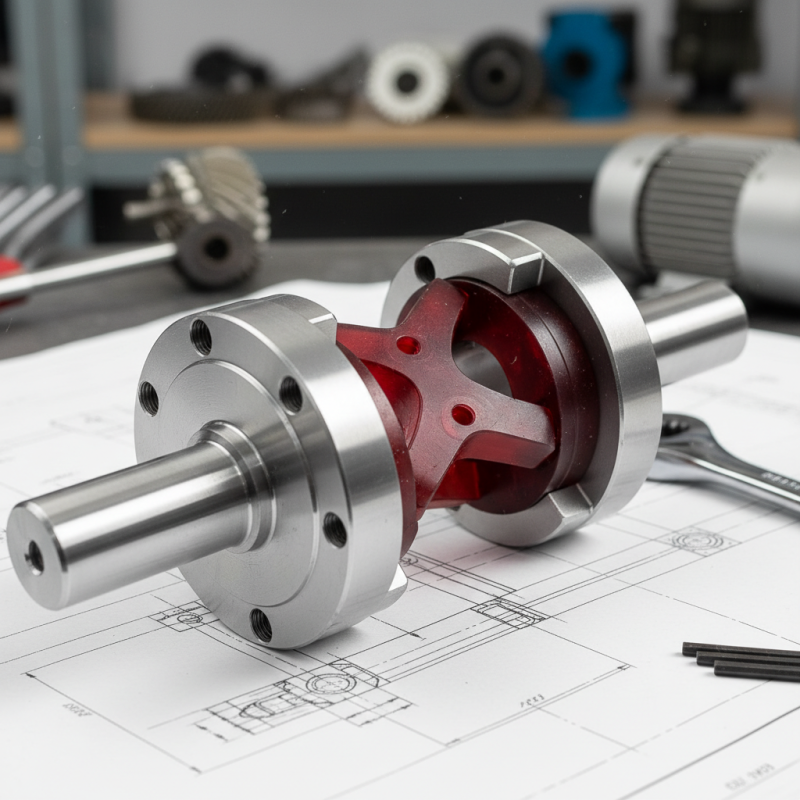
Spider coupling is an essential component in mechanical systems. Its main function is to transmit power between shafts while allowing for some misalignment. This flexibility can help extend the life of both the coupling and the connected machinery.
The design of a spider coupling includes two metal hubs and a flexible elastomeric element in between. This "spider" material dampens vibration and reduces shock loads. Proper installation is crucial. A misaligned coupling can lead to increased wear. Regular maintenance checks can prevent unexpected downtime.
Tips: Check alignment regularly to ensure optimal performance. Listen for unusual noises; they often signal underlying problems. Always replace worn-out components promptly. Small actions can save you from larger issues later.
Components of a Spider Coupling
Spider coupling is a unique mechanical component. Its primary role is to connect two shafts. The design consists of several key parts, each contributing to its function.
The spider itself is a flexible element, typically made from polyurethane or rubber. It fits between two hubs, acting as a cushion. This helps absorb shock and reduces vibration. The hubs, usually metal, connect to the shafts. They help transmit torque while allowing some movement. Proper alignment can be tricky, but it is crucial for optimal performance.
Another component is the outer shell. It encases the spider, keeping it secure. The shell adds durability and enhances the coupling's lifespan. A well-built spider coupling offers reliable performance in various applications. However, without proper maintenance, issues may arise. Regular checks can prevent unexpected failures, ensuring smooth operation over time.
What is Spider Coupling and How Does It Work? - Components of a Spider Coupling
| Component | Material | Function | Typical Applications |
| Spider Element | Rubber or Polyurethane | Absorbs shock and reduces vibration | Industrial machinery, Pumps |
| Hub | Aluminum or Cast Iron | Connects the spider to the shafts | Conveyors, Fans |
| Sleeves | Steel | Provides additional strength and support | Heavy machinery, Crushers |
| Driving Shaft | Steel | Transmits torque from the motor | Generators, Compressors |
| Driven Shaft | Steel | Receives torque to power machinery | Mixers, Valves |
How Spider Couplings Function Mechanically
Spider couplings are fascinating components widely used in mechanical systems. At their core, they connect shafts while allowing for some misalignment. This feature is essential in real-world applications, where perfect alignment is rare. The design typically consists of two hubs and a flexible spider element in the middle. The spider is often made of rubber or a polymer material. It absorbs shocks and vibrations, promoting smoother operations.
Mechanically, spider couplings function by engaging the flexible spider piece between two rigid hubs. When the shafts rotate, the spider flexes, accommodating minor misalignments. This flexibility protects the connected equipment from excessive stress. However, it is important to note that over time, the spider component may wear out. Regular checks are essential to maintain effectiveness. In some cases, users might overlook this precaution, leading to potential mechanical failures.
The choice of material for the spider impacts performance significantly. Softer materials provide more flexibility but may wear faster. Harder materials can last longer but offer less shock absorption. This balance requires careful consideration and reflection. Evaluating performance against expected lifespans is crucial for long-term reliability. While spider couplings are efficient, their limitations need awareness in application.
Spider Coupling Torque Ratings
This bar chart illustrates the torque ratings of different sizes of spider couplings, measured in Newton-meters (Nm). As the size of the spider coupling increases, the torque rating also increases, showcasing their capacity to handle larger loads effectively.
Applications of Spider Couplings in Industry
Spider couplings play a vital role in various industrial applications. These components effectively transmit torque while accommodating angular misalignments. Their unique design allows for a flexible connection between shafts, mitigating vibrations. This feature is especially valuable in machinery with high rotational speed.
In manufacturing, spider couplings are commonly found in conveyors and mixers. They can absorb shock loads and prevent damage to connected equipment. This is crucial in preventing downtimes in production lines. Additionally, these couplings are used in electric motors. They ensure efficient power transfer while reducing wear on components. Their versatility makes them suitable for various tasks.
However, using spider couplings comes with challenges. Selecting the correct size and material can be tricky. Misalignment issues may still arise, leading to premature wear. Regular maintenance is needed to maximize their lifespan. Users must regularly inspect for signs of wear. This attention to detail can save costly repairs in the long run. Ultimately, understanding the application helps ensure optimal performance.
Advantages and Disadvantages of Using Spider Couplings
Spider couplings are popular in various industries for their unique design and functionality. They are used to connect shafts while allowing for some misalignment. This flexibility comes with both advantages and disadvantages.
One major advantage is their ability to handle shock loads effectively. According to a report by the Machinery Research Institute, spider couplings can absorb up to 80% of shock loads without sacrificing performance. This can extend the lifespan of connected components. Additionally, their lightweight design makes them easy to install and replace, saving time and effort during maintenance.
However, there are downsides. Spider couplings can wear out prematurely if exposed to high torque or excessive misalignment. Reports indicate that improper installation can lead to a 30% decrease in performance over time. Users often express frustration when the coupling needs replacement more frequently than expected. This inconsistency can be a significant issue in critical applications, leading to downtime and additional costs.



 Close
Close