Top Questions About Waste to Energy Plant Solutions?
In recent years, the concept of converting waste into energy has gained significant attention. Waste to Energy Plant solutions offer a promising approach to manage waste while generating renewable energy. These plants use advanced technology to transform municipal solid waste into electricity, heat, or fuels, presenting sustainable alternatives to landfilling.
Despite their benefits, questions often arise regarding the efficiency and environmental impact of Waste to Energy Plants. Critics highlight concerns about emissions and the long-term sustainability of these systems. It's essential to address these issues for better public understanding. Transparency in operations and strict adherence to regulations are vital for building trust.
Exploring the intricacies of Waste to Energy Plant solutions reveals both potential and challenges. Communities must weigh the advantages of energy recovery against environmental implications. By engaging in informed discussions, stakeholders can navigate the complexities of waste management and energy production more effectively.
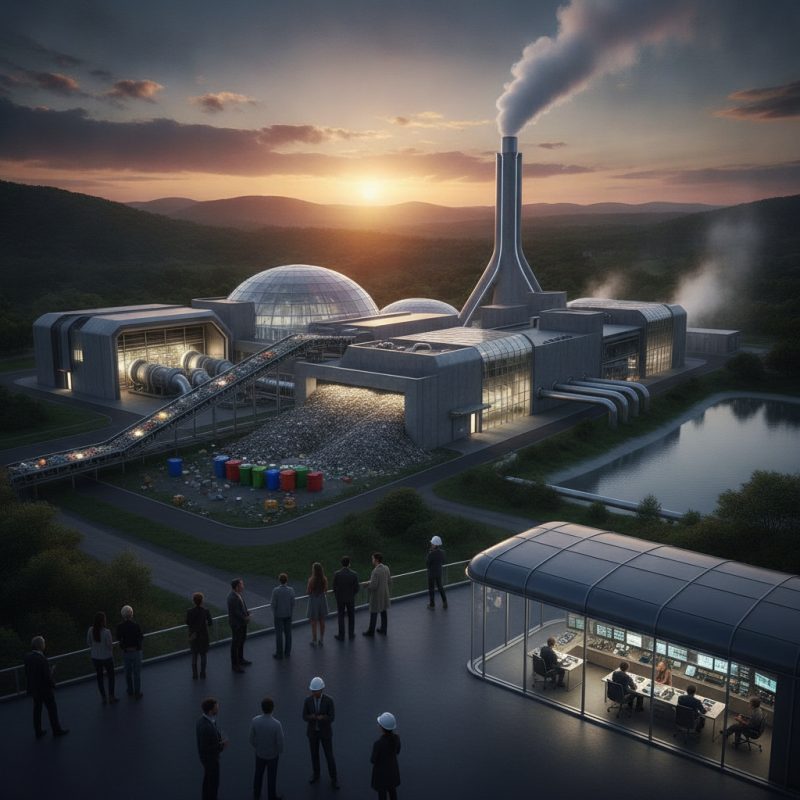
Overview of Waste to Energy (WtE) Technologies and Processes
Waste to Energy (WtE) technologies convert waste into useful energy. This process provides a sustainable alternative for waste management. According to the International Energy Agency, about 2.01 billion tons of municipal solid waste are generated globally each year. A significant portion of this waste can be repurposed to generate energy.
The most common WtE methods include incineration, anaerobic digestion, and gasification. Incineration burns waste to produce heat, converting it into steam for electricity generation. Anaerobic digestion uses microorganisms to break down organic material, creating biogas. Gasification transforms organic or fossil-based materials into carbon monoxide, hydrogen, and carbon dioxide at high temperatures. Each method has its pros and cons. For example, incineration can reduce waste volume by about 90%, but it may emit harmful pollutants.
Adopting WtE technologies poses challenges. There are concerns about air pollution and the costs involved. The Global Renewable Energy Agency reports that WtE plants require substantial investments. The effectiveness of these systems can vary based on local waste composition and infrastructure. Efforts to enhance resource recovery and reduce emissions are ongoing. Increased focus on operational efficiency is essential for meeting environmental standards.
Waste to Energy Plant Technologies Overview
This chart illustrates the distribution of various waste to energy technologies based on their efficiency and implementation levels globally.
Key Components of a Waste to Energy Plant
Waste to Energy plants are becoming essential in modern waste management. Their key components play a crucial role in transforming waste into usable energy. One of the primary components is the combustion system. This is where waste is burned at high temperatures. The heat generated is used to produce steam, which drives turbines to generate electricity.
Another vital component is the air pollution control system. This system includes filters and scrubbers that capture harmful emissions. These technologies ensure that emissions are kept within legal limits. Maintaining air quality is critical for protecting both the environment and public health. However, achieving compliance can be challenging and requires constant monitoring and improvements.
Energy recovery is also a significant part of these plants. The process involves capturing the energy released during combustion. This energy can be converted into electricity or heat, which can be used in nearby communities. Yet, the efficiency of energy recovery varies. Operators must continually assess their processes to enhance efficiency and minimize waste. Balancing these factors is crucial for achieving the desired outcomes of waste management and energy production.
Top Questions About Waste to Energy Plant Solutions? - Key Components of a Waste to Energy Plant
| Component | Description | Function | Key Benefits |
| Feedstock Delivery | System for transporting waste to the facility. | Ensures continuous supply of waste. | Reduces transportation time and costs. |
| Incineration Unit | High-temperature chamber for burning waste. | Converts waste to heat energy. | Reduces volume of waste and generates energy. |
| Boiler | Generates steam from heat produced. | Transforms heat energy into useful steam. | Provides steam for electricity generation or heating. |
| Turbine Generator | Converts steam energy into electrical energy. | Generates electricity from steam. | Supplies renewable energy to the grid. |
| Flue Gas Treatment | Cleans up emissions before release. | Removes pollutants from flue gases. | Ensures compliance with environmental regulations. |
| Ash Management | Handles residual ash after incineration. | Manages and disposes of ash safely. | Minimizes landfill impact and recycles materials when possible. |
Environmental Benefits and Concerns of Waste to Energy Solutions
Waste to energy (WtE) plants offer significant environmental benefits, yet they also raise concerns. These facilities convert municipal solid waste into energy, reducing landfill use. According to the U.S. Environmental Protection Agency, WtE plants can divert approximately 85 million tons of waste annually from landfills. This diversion helps minimize greenhouse gas emissions.
However, emissions from WtE plants can be concerning. High levels of dioxins and heavy metals, if not carefully managed, pose risks. The World Health Organization reports that dioxin exposure is linked to several health issues, highlighting the need for stringent controls. Technologies exist to reduce these emissions, yet their effectiveness can vary by facility.
Public perception often sways towards skepticism regarding WtE. Communities worry about air quality and smell. Addressing these concerns requires transparency and regular monitoring. Effective engagement with local populations is crucial. Balancing waste management needs with environmental safety is a complex challenge, demanding ongoing innovation and scrutiny in WtE practices.
Economic Considerations: Costs and Funding for WtE Plants
Economic considerations are critical when evaluating Waste to Energy (WtE) plant solutions. The costs can vary widely. Initial construction and ongoing operational expenses are major factors. Budgeting for technology, staffing, and maintenance is essential. Many projects exceed initial cost estimates. This can lead to financial stress for municipalities. Transparent financial planning helps to mitigate these risks.
Funding is a significant aspect of WtE projects. Various sources can provide capital. Governments, private investors, and public-private partnerships often play a role. Grants and subsidies may also be available. However, applying for funding can be complex and time-consuming. Not every project secures the necessary financial backing. This inconsistency is a concern for many stakeholders.
Operational costs can be unpredictable. Energy prices fluctuate, affecting revenue from electricity sales. The price of raw materials, like waste, also impacts profitability. Stakeholders need a clear understanding of these dynamics. Success often hinges on effective management and efficient operations. Investing in modern technology can improve reliability and efficiency. Yet, technology adoption also requires careful evaluation of long-term benefits versus upfront costs.
Regulatory Framework and Policy Implications for Waste to Energy Projects
The regulatory framework for waste-to-energy (WtE) projects plays a crucial role in shaping their success. Various permits and licenses are required to comply with government standards. Environmental assessments must be conducted to understand the potential impact on local ecosystems. This aspect often becomes the bottleneck in project timelines, causing frustration among stakeholders.
Policy implications extend beyond compliance. Local governments may incentivize WtE initiatives through tax breaks or grants. However, these policies can vary significantly by region, creating confusion for investors. Integrating community feedback into the process remains essential. Engaging residents helps address their concerns and builds trust.
Challenges also exist in harmonizing national policies with local needs. Conflicting regulations may hinder project implementation. Sometimes, project developers feel overwhelmed by the legal requirements. Striking a balance between regulatory compliance and efficient operation is crucial. Awareness of evolving policies is necessary. Frequent updates can catch stakeholders off guard, highlighting the need for diligent monitoring and adaptation.


 Close
Close