Top Hydraulic Rotary Drilling Rig Options for Global Buyers?
In the realm of construction and mining, the Hydraulic Rotary Drilling Rig is a pivotal machine. Renowned industry expert Dr. Emily Carter states, "The right drilling rig can transform project efficiency." This underscores the importance of choosing the best options available. Global buyers face a myriad of choices, each rig designed with different capacities and technologies.
Understanding these options helps buyers make informed decisions. A well-chosen Hydraulic Rotary Drilling Rig can enhance productivity and reduce downtime. Rig performance is not merely about specs; it's about real-world application and efficiency. Some rigs may excel in specific environments, while others may not meet expectations. This presents a challenge for buyers who must weigh their unique project requirements against the capabilities of various rigs.
Choosing a Hydraulic Rotary Drilling Rig requires careful consideration. There are no one-size-fits-all solutions. Buyers should reflect on their needs, budgets, and the specific challenges posed by their projects. Each decision shapes the outcome of the work. With expert insight and practical understanding, buyers can navigate the complexities of the Hydraulic Rotary Drilling Rig market effectively.
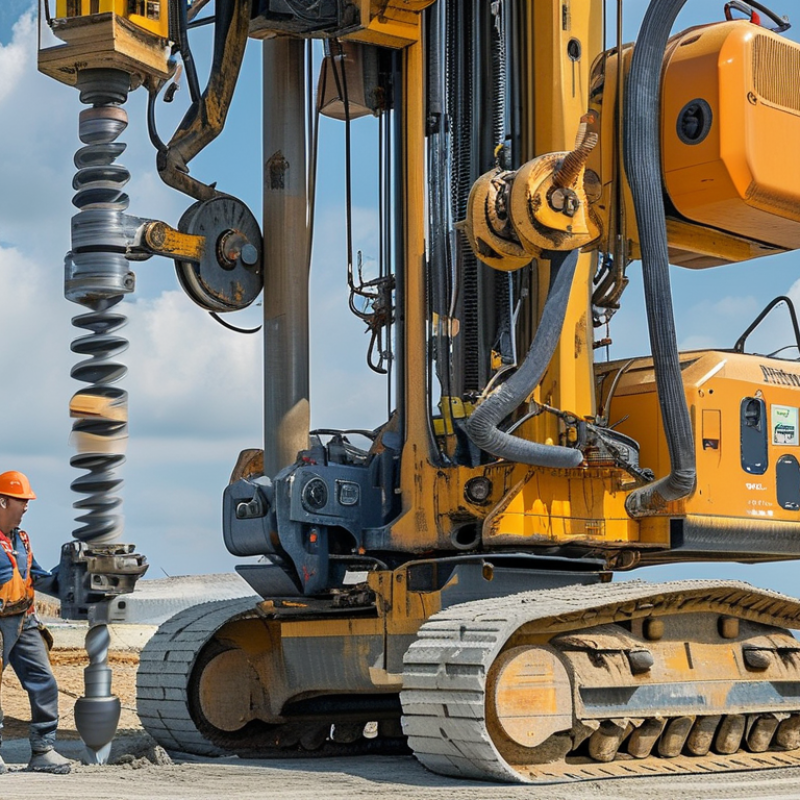
Overview of Hydraulic Rotary Drilling Rigs and Their Applications
Hydraulic rotary drilling rigs are indispensable in various industries, including construction, mining, and geotechnical projects. They excel in creating deep boreholes with precision and efficiency. These rigs utilize hydraulic power to rotate drill bits and penetrate different soil types, making them ideal for challenging applications. Their versatility allows them to operate in urban settings, rocky terrains, and muddy conditions alike.
For users new to this technology, consider the size and workload capacity. Choosing the right rig involves understanding the specific requirements of your project. Take time to evaluate soil conditions, accessibility, and depth requirements.
Hydraulic rigs provide many advantages. They have higher torque and can drill faster than traditional methods. However, potential buyers should reflect on maintenance needs and operational costs. Not all rigs fit every project scenario, and assessing available options is crucial.
When selecting a rig, prioritize training. Proper operation and maintenance ensure safety and longevity of equipment. Always consult experts for advice based on local conditions.
Key Features to Consider When Selecting a Hydraulic Rotary Drilling Rig
When selecting a hydraulic rotary drilling rig, key features play a vital role. Understanding rig capacity is essential. Rigs come in various sizes and drilling depths. Assess your project's specific requirements. A larger rig may offer higher productivity but could introduce logistical challenges. Balance capacity with efficiency.
Another critical feature to consider is the rig's mobility. Some rigs require complex transport arrangements. Others are more versatile and can navigate tough terrains effortlessly. Evaluate your job site conditions. Will you need to move frequently? Understanding these factors can save time and reduce costs.
Operational efficiency is paramount. Look at the rig's power source and fuel consumption. Equipment that uses less fuel is often more reliable and cost-effective. However, always remember that innovation can sometimes lead to untested technologies. Therefore, buying a rig that balances advanced features with proven performance is wise. The best choice often lies not just in the latest technology, but in the rig that meets your needs effectively.
Top Manufacturers of Hydraulic Rotary Drilling Rigs in the Global Market
The global market for hydraulic rotary drilling rigs continues to grow, driven by demand in construction and resource extraction. According to the latest industry reports, the market is expected to reach an estimated value of $7.3 billion by 2026, with a CAGR of 4.5%. This growth highlights the significance of reliable equipment in various fields.
Leading manufacturers are focusing on innovation. They are incorporating advanced technologies for efficiency. Features like automated control systems enhance performance and precision, reducing operational time. For buyers, understanding the specifications is crucial. It allows for informed decisions tailored to specific project needs.
Tips for selecting the right hydraulic rotary drilling rig: prioritize durability and ease of maintenance. Check if the rig can handle various soil types effectively. Always evaluate the manufacturer's reputation in the industry. Caution is essential; a less known brand may offer lower costs but could lack reliability and support. Perform thorough research before making a choice.
Comparative Analysis of Different Hydraulic Rotary Drilling Rig Models
When selecting hydraulic rotary drilling rigs, buyers face various choices. Different models cater to diverse project needs. Some rigs focus on deep vertical drilling while others excel in horizontal or angled applications. Recent industry reports show that market demand for hydraulic rotary drilling has grown by 7% annually. Advanced technology keeps driving efficiency and reducing operational costs.
One notable area of comparison is drilling depth capabilities. Some rigs achieve depths of up to 1,500 meters, while others are limited to 600 meters. This variance affects project timelines and budgets. Buyers must assess their specific requirements to avoid costly misunderstandings. Moreover, weight and portability also play crucial roles in choosing the right model. Heavier rigs may offer stability, yet they can increase transportation costs.
User feedback has highlighted performance inconsistency in certain models. Some rigs struggle under varying soil conditions, leading to reduced efficiency. Buyers should consider user reviews and seek recommendations from industry experts. Balancing reliability with performance can be challenging. Each project has unique demands which should inform the final decision. Careful evaluation helps in avoiding regret post-purchase.
Future Trends in Hydraulic Rotary Drilling Technology and Market Demand
The hydraulic rotary drilling technology is evolving rapidly. Recent studies highlight a growing focus on automation and efficiency. Buyers are increasingly interested in rigs that offer remote operation, reducing labor costs and increasing safety. Additionally, advancements in telemetry systems allow real-time data collection, enhancing decision-making for drilling operations.
Market demand is shifting towards eco-friendly solutions. Manufacturers are responding by developing rigs with reduced emissions and lower noise levels. This shift is crucial in regions where environmental regulations are stringent. Companies are also experimenting with hybrid and electric models to further minimize environmental impact. However, there is still a long way to go in perfecting these technologies.
Challenges remain in adapting to diverse geological conditions. Not all rigs perform equally well in varying terrain. Buyers must consider local conditions, which can complicate choices. Trade-offs between cost and performance often lead to tough decisions for operators. It's evident that the future of hydraulic rotary drilling technology requires continuous innovation and adaptability to meet changing market needs.
Top Hydraulic Rotary Drilling Rig Options for Global Buyers
| Model | Drilling Depth (m) | Weight (ton) | Engine Power (kW) | Operating Pressure (MPa) | Market Demand Trend |
| Model A | 150 | 25 | 250 | 20 | Increasing |
| Model B | 200 | 30 | 300 | 25 | Stable |
| Model C | 250 | 35 | 350 | 30 | Declining |
| Model D | 180 | 28 | 280 | 22 | Increasing |
| Model E | 220 | 32 | 320 | 28 | Stable |

 Close
Close