2026 How to Choose the Best Metal Channel Drain Grates?
When it comes to constructing efficient drainage systems, metal channel drain grates play a crucial role. According to the Global Market Insights report, the metal drainage product market is projected to reach $2.5 billion by 2026. This growth reflects the increasing demand for durable and reliable drainage solutions across various sectors. Experts emphasize the importance of selecting the right materials and designs to ensure optimal performance.
John Smith, a renowned drainage systems engineer, states, "Choosing the right metal channel drain grates can significantly reduce maintenance costs and enhance system longevity." His expertise highlights the need for careful consideration when selecting these products. Factors such as material composition, load rating, and environmental conditions are essential. Each decision impacts efficiency and durability.
In practice, many users overlook specific details, leading to potential complications. For example, the choice of finish can affect corrosion resistance. Users should reflect on their needs and the environment where the grates will be installed. Making informed choices about metal channel drain grates can result in enhanced functionality and longevity.
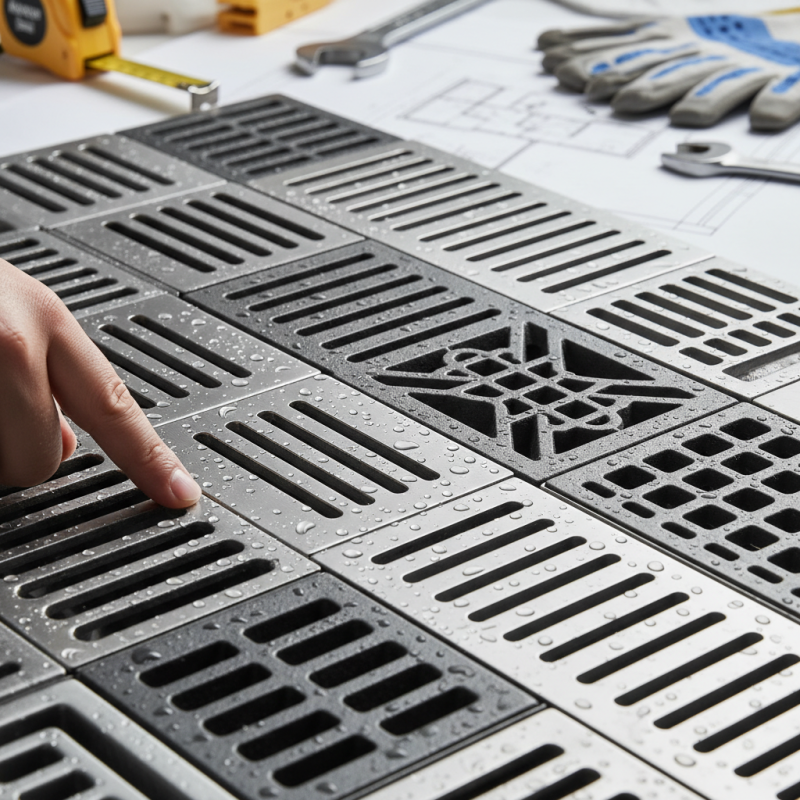
Choosing Metal Channel Drain Grates: Understanding Material Types and Durability
When selecting metal channel drain grates, understanding material types and durability is essential. Metal grates come in various materials, including stainless steel, aluminum, and cast iron. Stainless steel is particularly known for its corrosion resistance. According to the International Stainless Steel Forum, stainless steel can withstand harsh environmental conditions, making it ideal for both residential and commercial applications.
Durability is chiefly determined by the material's ability to endure stress and wear. A study by the National Association of Home Builders revealed that the average life span of properly installed drain grates is about 20 years. However, improper material choice can reduce this significantly. Aluminum is lightweight and easy to install, but it may not offer the same longevity. In environments with heavy foot or vehicle traffic, steel or cast iron options are often recommended for their robustness.
Many consumers overlook maintenance needs when choosing a drain grate. Regular inspections can prevent serious problems down the line. Research from the American Society of Civil Engineers emphasizes that grates should be checked annually for buildup and wear. Neglecting this can lead to reduced flow efficiency and increased risk of flooding. Selecting the right material and ensuring ongoing maintenance are crucial for long-term performance.
Factors Affecting Load Capacity in Metal Channel Drain Grates
When choosing metal channel drain grates, load capacity is crucial. Several factors influence this capacity. Material type significantly affects strength. Stainless steel, for example, offers high durability. Yet, some might question its weight and corrosion resistance compared to aluminum. Each material has its pros and cons, demanding careful consideration.
Grate design also plays a role. A grate that is too thin may bend under heavy loads. Conversely, an overly thick grate can be cumbersome. Users must balance between weight and strength. Additionally, the spacing of support brackets can affect stability. Inadequate support may lead to premature failure. Observing how these components interact is essential for optimal performance.
Finally, installation location matters. Grates used in commercial areas face more stress than those in residential settings. Environmental factors, like temperature changes, can also impact durability. Reflecting on these considerations can lead to better choices for channel drain systems. Each detail contributes to overall effectiveness.
Evaluating Drainage Efficiency: Optimal Slot Sizes and Grate Designs
When evaluating drainage efficiency, selecting the optimal slot sizes and grate designs is critical. Research by the American Society of Civil Engineers highlights that improper drainage can lead to significant water damage, costing homeowners thousands annually. Slot sizes play a crucial role. A smaller slot may restrict flow but reduce debris blockage. Conversely, larger slots increase drainage capacity but allow more debris to enter.
Different environments require tailored solutions. For instance, residential areas often benefit from grates that balance aesthetics and functionality. In contrast, industrial settings may prioritize maximum drainage volume. A study published in the Journal of Hydraulic Engineering found that systems with adjustable slot sizes were 30% more effective in managing stormwater runoff. Integration of materials also matters. Metals like stainless steel offer durability, while polymer options often excel in chemical resistance.
Despite these insights, it's essential to recognize the potential pitfalls. Overlooking maintenance can lead to clogged systems, regardless of the grate design. Additionally, poorly matched slot sizes might result in inefficient drainage during heavy rains, leading to localized flooding. Awareness of these factors can enhance decision-making in selecting the best possible drainage solutions.
Installation Best Practices for Metal Channel Drain Grates to Ensure Longevity
When installing metal channel drain grates, proper techniques are essential. Start by selecting a stable base for the drain. Ensure the ground is leveled and compacted. A well-prepared surface prevents settling and shifting over time. Use sand or gravel for additional support. This will enhance drainage and reduce the risk of clogs.
Sealing the joints is crucial for longevity. Use appropriate sealants to bond the grates to the channel. Gaps can lead to debris accumulation and water infiltration. Over time, this causes corrosion. Regular inspections are necessary. Check for signs of rust or damage regularly. Address any issues immediately to prolong the life of the grates.
Consider drainage slope as well. A slight gradient directs water flow effectively. This simple adjustment can improve functionality. If not done, water pooling can occur, leading to further maintenance challenges. Reflect on your installation methods to ensure they meet these best practices for durability.
2026 Best Metal Channel Drain Grates Comparison
Maintenance Considerations: Cleaning and Inspection Techniques for Grates
Maintaining metal channel drain grates is crucial for their longevity and effectiveness. Regular cleaning prevents debris build-up, which can hinder water flow. Use a stiff brush and a mild detergent for an effective clean. Inspect for rust or corrosion, especially in high-moisture areas.
Inspection techniques play a vital role in maintenance. Look for cracks or warping that may affect functionality. A simple visual inspection can reveal significant issues. Use a flashlight to check for hidden debris underneath the grates. Taking these small steps ensures sturdy performance over time.
Sometimes, neglect leads to larger problems. Many overlook the importance of cleaning, thinking infrequent check-ups are sufficient. This mindset often results in costly replacements. Developing a regular maintenance schedule can save money and effort in the long run.
2026 How to Choose the Best Metal Channel Drain Grates? - Maintenance Considerations: Cleaning and Inspection Techniques for Grates
| Drain Type | Material | Cleaning Technique | Inspection Frequency | Common Issues |
| Linear Drain | Stainless Steel | High-pressure water jet or degreaser | Monthly | Debris buildup, corrosion |
| Trench Drain | Galvanized Steel | Brush and mild soap | Quarterly | Blockages, rusting |
| Slot Drain | Aluminum | Chemical cleaner and scrub | Bi-annual | Clogging, water pooling |
| Basin Drain | Cast Iron | Manual removal and washing | Annual | Sediment accumulation, leaks |



 Close
Close