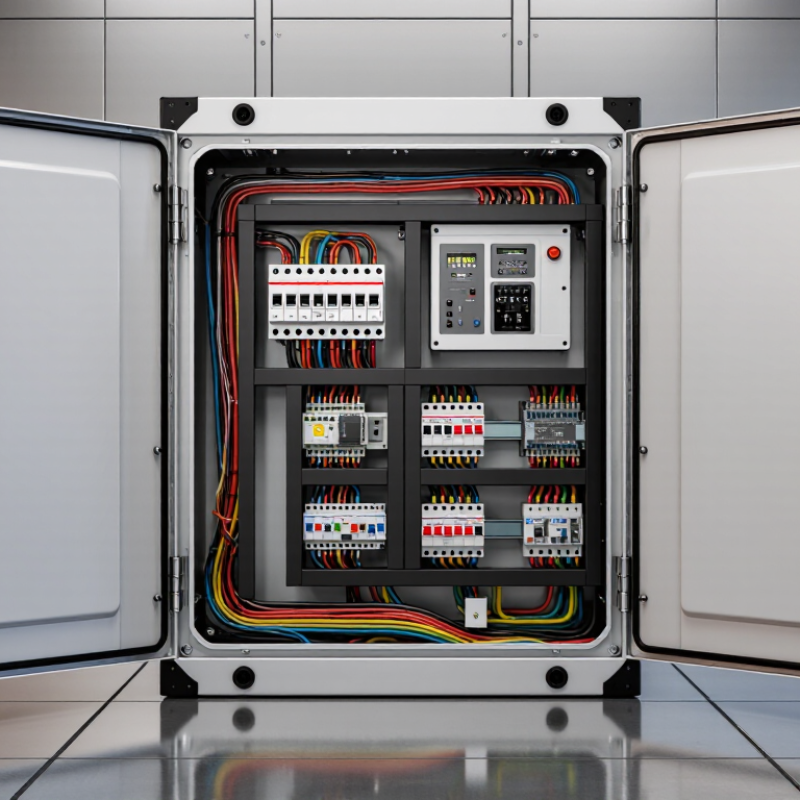
When selecting a high voltage distribution box in 2026, verify compliance before comparing price or appearance. Check the rated voltage, current, short-circuit withstand, insulation level, and enclosure protection. These values must match the site design, not only the product catalogue. Ask for routine test reports, material records, wiring diagrams, and declarations against applicable IEC or national standards. Documents matter.
Installation evidence should be equally specific. Confirm required clearances, cable bending space, grounding points, ventilation, and access for emergency isolation. Inspect the enclosure for a secure door seal and clear warning labels. Use calibrated tools for terminal torque. Record each value. A small mistake can create heat later. The installer should photograph cable routes, grounding connections, and final identification labels before energizing the system. Local electrical regulations and authority requirements must guide approval.
Maintenance planning reveals whether the box is truly suitable. Set inspection intervals based on load, dust, humidity, switching frequency, and operating environment. Check torque, corrosion, insulation condition, ventilation paths, and signs of overheating. Thermal imaging can expose loose connections before visible damage appears. Keep dated service records and replacement specifications. During field reviews, I have found that checklists often miss cable stress near entry glands. My own forms have missed details too. Review them with the technician who performed the work. Conditions change, and a maintenance plan should change with them.



 Close
Close