Top Hollow Block Machines Manufacture for Global Buyers?
In the ever-evolving world of construction machinery, the demand for hollow block machines has soared. Industry expert John Smith, a leading figure in Hollow Block Machines Manufacture, emphasizes, "Quality and innovation are the cornerstones of effective hollow block production." His insight highlights the importance of high standards in this niche market.
The hollow block industry meets growing global needs. Manufacturers play a crucial role in providing durable solutions. However, not all machines are created equal. Potential buyers must carefully assess their options. Evaluating different manufacturers is essential to ensure quality and efficiency. Furthermore, the complexity of technology can lead to confusion.
Innovation drives the market forward, but challenges remain. Industry players must embrace constant learning. Experienced professionals often see room for improvement. Understanding customer needs and preferences is vital for success. In this competitive landscape, making informed choices can lead to better outcomes. Buyers should remain vigilant and prioritize reliability in their decisions.
The Importance of Hollow Block Machines in the Construction Industry
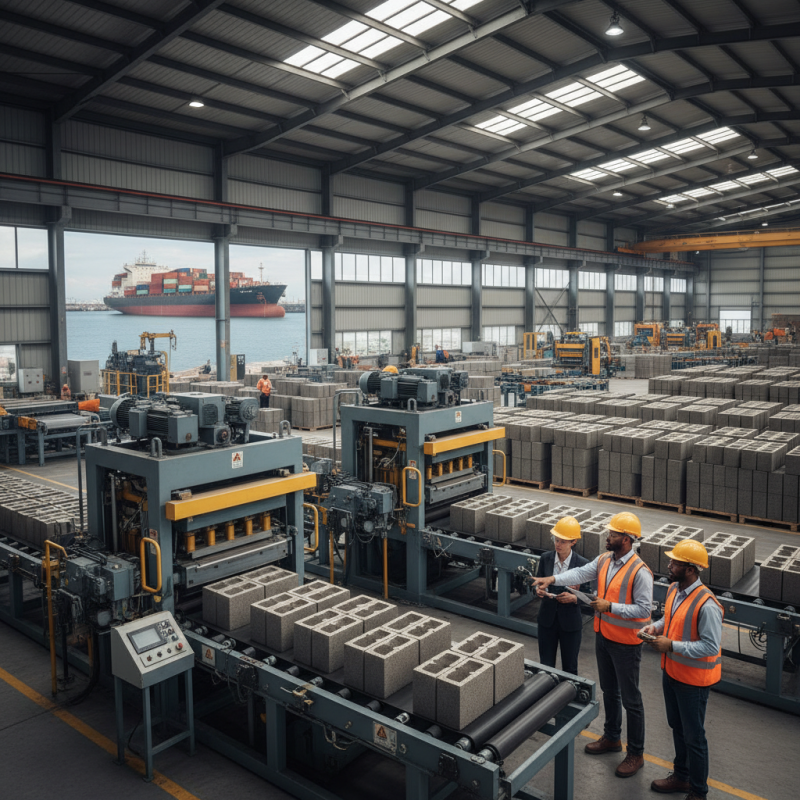
Hollow block machines play a crucial role in the construction industry. These machines are widely used for producing concrete blocks. The need for durable and cost-effective building materials has led to their popularity. Construction projects increasingly rely on hollow blocks for walls, pavements, and even foundations. This reliance is due to hollow blocks’ excellent thermal insulation, reducing energy costs in buildings.
However, not all hollow block machines are created equal. The technology behind these machines can vary significantly. Buyers often face challenges in choosing the right one. Inconsistent quality of blocks can result from using subpar machines. It's essential to consider factors like machine capability, production speed, and ease of maintenance.
A poorly chosen machine can lead to higher costs and project delays.
The construction industry must adapt to evolving demands for efficiency and sustainability. Investing in machines that optimize production is vital. Effective training and maintenance should not be overlooked. Regular checks and staff education contribute to long-lasting equipment.
Ultimately, recognizing the significance of hollow block machines helps improve construction practices globally.
Key Features to Consider When Choosing Hollow Block Machines
When selecting hollow block machines, key features can significantly impact your operations. Ease of use is crucial. Machines that are straightforward to operate can boost productivity. Look for user-friendly interfaces and instructional manuals. These aspects reduce the learning curve and minimize downtime.
Consider the machine's production capacity. It's essential to assess how many blocks it can produce per hour. Align this with your project demands. Machines should also accommodate various block sizes. Flexibility in production can cater to diverse construction needs. Additionally, energy efficiency is an important factor. Machines that consume less power can lower operational costs in the long run.
Quality and durability cannot be overstated. Machines should withstand continuous use without frequent breakdowns. Researching material quality and build can lead to better investment decisions. Maintenance requirements are another aspect to evaluate. Some machines may need more upkeep than others. It's vital to factor in these long-term commitments when choosing a supplier. Balancing these features may require some reflection, but doing so is key to achieving operational excellence.
Top Hollow Block Machines Performance Comparison
Top Manufacturers of Hollow Block Machines Worldwide
When considering the global landscape of hollow block machines, several manufacturers stand out. These companies are known for their innovative designs and reliable machinery. A report by Market Research Future indicates that the hollow block machine market is expected to grow at a CAGR of 7% through 2025. This growth reflects an increasing demand for sustainable building materials.
Several manufacturers lead the industry with their advanced technology. They focus on energy efficiency and eco-friendly production methods. Recent studies highlight that machines with automation features can enhance productivity by up to 30%. Furthermore, some manufacturers are investing in AI technology to optimize production processes.
However, not every company has adopted these technologies. Some still rely on outdated methods, which can lead to inefficiencies in output.
Quality control is a critical aspect for manufacturers. A significant challenge is maintaining consistency in block quality. Reports suggest that inconsistency can lead to structural issues in construction projects. Therefore, manufacturers that prioritize rigorous testing protocols and high standards tend to outperform others. While progress has been made, the industry still faces hurdles. Achieving uniform quality across all production units remains an area for improvement.
Comparative Analysis of Hollow Block Machine Technologies
The hollow block machine industry showcases diverse technologies designed to meet varying construction needs. Each machine offers unique advantages. Some machines emphasize speed and efficiency, while others prioritize precision and durability. Modern innovations focus on automation, further enhancing production rates and reducing labor costs. This transition, however, requires a skilled workforce for maintenance and troubleshooting.
The comparative analysis of these technologies reveals critical trade-offs. Machines with high output can struggle with consistency. In contrast, models that offer precision might have slower production rates. Buyers must assess their specific needs, balancing efficiency and quality. This often leads to reflection on what features are truly necessary.
Another consideration is the adaptability of these machines. As construction trends evolve, so do material requirements. Some machines may not meet new standards or material types. This can require buyers to reassess their choices, looking for machines with greater versatility. Understanding these dynamics is crucial for making informed decisions in a competitive market.
Future Trends in Hollow Block Machine Manufacturing and Innovation
In the evolving landscape of hollow block machine manufacturing, innovation plays a critical role. Adopting advanced technologies has become essential for producers. Automation and integrated systems enhance productivity while minimizing labor costs. Smart machines with real-time data analytics provide insights to improve operational efficiency. These advancements are shaping the future of construction materials. Manufacturers need to stay ahead of these trends to remain competitive.
Tips: Investing in industry research helps identify useful advancements. Regularly attending trade shows can foster connections and reveal emerging technologies. Building a network with other manufacturers provides a platform for exchanging ideas.
Sustainability is another vital trend. Eco-friendly materials and energy-efficient processes are in demand. Consumers are increasingly concerned about environmental impacts. Therefore, producers should explore using recycled materials in their machines. Developing machines that minimize waste not only satisfies this demand, but also reduces overall costs. Striking the right balance here can be challenging but rewarding.

 Close
Close