Ultimate Tips for High Voltage Output Electric Fence Safety
When implementing safety measures for a high voltage output electric fence, understanding the risks is crucial. Dr. Emily Carter, an expert in agricultural safety, emphasizes, “Proper training is vital for anyone working with high voltage output electric fences.” This highlights the importance of knowledge and caution in this field.
high voltage output electric fences are effective deterrents against intruders. However, without proper safety protocols, they can lead to dangerous situations. Regular inspections are essential to ensure the system is functioning as intended. Inadequate maintenance can create hazards, putting both animals and humans at risk.
Educating users about the operational procedures is often overlooked. Many believe they can operate electric fences without proper guidance. This can lead to accidents and serious injuries. A well-documented training program can bridge this gap. Remember, safety is not just a guideline; it’s a necessity when dealing with high voltage output electric fences.
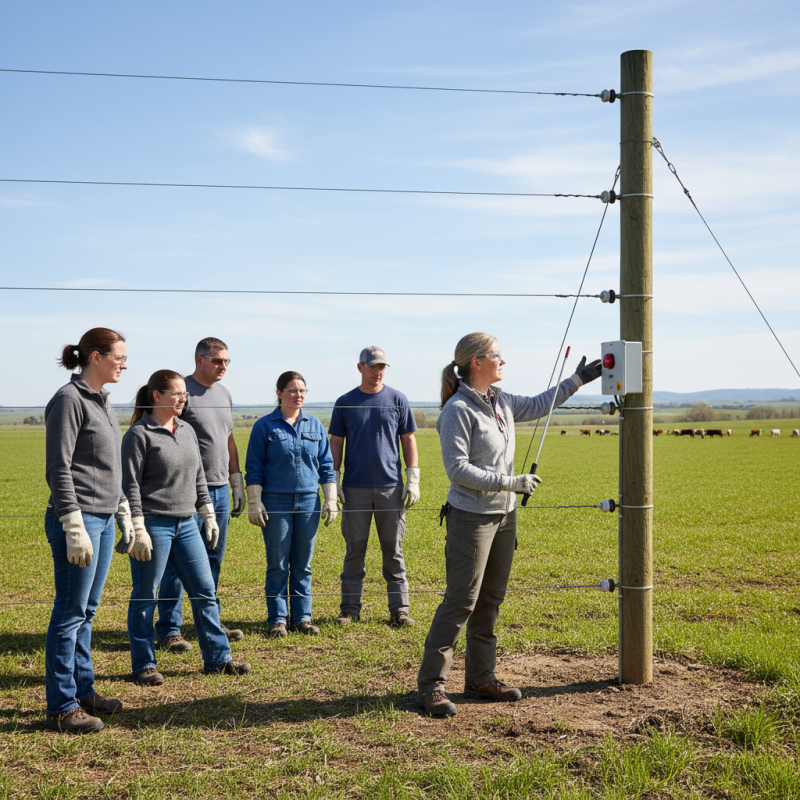
Understanding High Voltage Electric Fences and Their Applications
High voltage electric fences are widely used in agriculture and wildlife management. They serve as effective barriers for livestock and crops, enhancing security while minimizing the risk of escape. According to the American Society of Agricultural and Biological Engineers, an electric fence can reduce losses by around 24% in certain farming scenarios. The application of high voltage wires creates a psychological barrier. Animals learn to avoid the shock, ensuring their safety and the integrity of property boundaries.
However, the safety of these systems cannot be overstated. In a report by the National Electric Fence Safety Council, mismanagement contributes to several accidents each year. It's crucial to maintain fences regularly. Insulation must be checked, and vegetation cleared to prevent short circuits. Failing to follow these guidelines can lead to unintended shocks, not just for animals but also for humans.
Not all installations are perfect. Many errors occur during setup, such as incorrect grounding or inadequate voltage controls. This can create hotspots leading to uneven delivery of electric shock. Users must understand the importance of proper installation and maintenance to achieve desired results while ensuring safety.
Key Safety Precautions for Installing Electric Fences
When installing an electric fence, safety should be your top priority. Before beginning, ensure you have all necessary equipment. Wearing appropriate personal protective gear is crucial. Gloves and insulated boots can prevent accidental shocks. Double-check the surrounding area. Make sure there are no reachable power lines nearby. This can prevent dangerous interactions.
During installation, keep a close eye on your tools. If they touch the live wires, it can lead to serious injury. It's essential to educate everyone nearby about the fence. Family members and pets should understand the dangers. Clear signs indicating the fence's presence can help. You might think about using visual barriers as well.
Consider post-installation safety checklists. Inspect the fence regularly for any wear and tear. This can help prevent unexpected malfunctions. Sometimes, minor issues can lead to significant risks. Your electric fence should serve its purpose without causing harm. Making adjustments after evaluating its performance can be necessary. Take time to reflect on your installation process for improvements.
Common Hazards Associated with High Voltage Electric Fences
High voltage electric fences can be dangerous. They serve a purpose but bring common hazards. One notable risk is accidental contact. People may unknowingly touch a live wire while attending to the fence. This can lead to severe injuries or even fatalities. Proper signage is essential, yet many overlook this responsibility.
Wildlife also faces risks. Animals can become entangled in electric fence wires, leading to serious harm. Birds might perch on the wires, unaware of the danger. Another concern is improper maintenance. Wires may sag, causing a low-voltage barrier to become unsafe. Regular checks are crucial but often neglected.
Users may also lack understanding of how to use electric fences safely. A misguided belief that all fences are harmless leads to carelessness. Basic training on safety measures is vital. With these risks in mind, vigilance is key. Taking the time to educate yourself and others can prevent accidents.
Ultimate Tips for High Voltage Output Electric Fence Safety - Common Hazards Associated with High Voltage Electric Fences
| Hazard | Description | Safety Precautions |
| Electric Shock | Risk of shock from contact with the fence. | Ensure proper grounding and use warning signs. |
| Fire Hazards | Arcing may cause nearby materials to ignite. | Keep flammable materials away and inspect regularly. |
| Equipment Damage | Electrical surges can damage devices connected nearby. | Use surge protectors for sensitive equipment. |
| Animal Injury | Animals can get caught or harmed by the fence. | Inspect fencing regularly and ensure it is in proper working order. |
| Unauthorized Access | Potential for accidental injury to trespassers. | Install warning signs and keep paths clear. |
Best Practices for Maintaining Electric Fence Safety
Maintaining electric fence safety is crucial for preventing accidents and ensuring effective operation. A report by the Electric Fence Safety Council indicates that around 1,500 injuries occur each year due to improper maintenance and use of electric fences. Regular checks are essential. Inspect for damaged wires, faulty insulators, and malfunctioning controllers. A damaged fence can create hazardous situations, both for people and animals.
Proper grounding is also important. Inadequate grounding can lead to inconsistent voltage levels. According to studies, 30% of electric fence failures are due to poor grounding practices. Ensure that ground rods are driven deep into the earth. This step minimizes voltage drop across the fence. It is common for users to overlook this aspect, but it has profound implications on safety and effectiveness.
Another critical factor is signage. Proper warning signs should be placed around the perimeter of electric fences. These signs alert both people and animals to the potential danger. A survey revealed that nearly 60% of incidents involved individuals unaware of the fence’s presence. Consistent maintenance and proper signage can significantly decrease these risks. Regular safety audits can help identify overlooked areas, fostering a safer environment for everyone.
Emergency Response Protocols for Electric Fence Incidents
Electric fences are an effective deterrent for livestock and property protection. However, incidents can happen. When an electric fence causes an injury, having clear emergency response protocols is crucial. According to the American Veterinary Medical Association, around 30% of electric fence injuries happen due to sudden power surges. This unpredictability calls for preparedness.
Know how to respond quickly to any electric fence incident. First, ensure the safety of all individuals nearby. Turn off the power source, if possible. Serious injuries can occur, as highlighted by the National Electronic Safety Alliance, which reported that nearly 20% of all electric fence-related injuries require medical attention. Administer first aid while waiting for professionals.
Training staff and individuals who work near electric fences is essential. Regular drills can help reinforce proper responses to injuries. The safety culture should include audits of equipment and clear signage. It’s easy to overlook these aspects in daily operations. Yet, ignoring them can lead to dire consequences. Everyone should understand that safety is a shared responsibility.



 Close
Close