How to Effectively Use Mineral Admixture in Construction?
In the realm of construction, the use of Mineral Admixture has gained significant attention. As a crucial component in modern concrete, it enhances durability and performance. Builders and engineers recognize its potential to improve strength and reduce permeability. However, effective application requires a deep understanding of its properties.
Mineral Admixture, such as fly ash or silica fume, brings unique benefits to concrete mixes. These materials help in achieving superior workability and longevity. The challenge lies in selecting the right type based on project requirements. Misjudging the suitability can lead to compromised structural integrity. Therefore, professionals must approach this decision with caution.
Despite the advantages, integrating Mineral Admixture demands critical reflection. The optimal mixing ratios must be determined through careful testing and analysis. Variability in raw materials can affect outcomes. Continuous learning and adaptation are vital in this evolving field. Embracing Mineral Admixture can lead to improved construction methods when done thoughtfully.
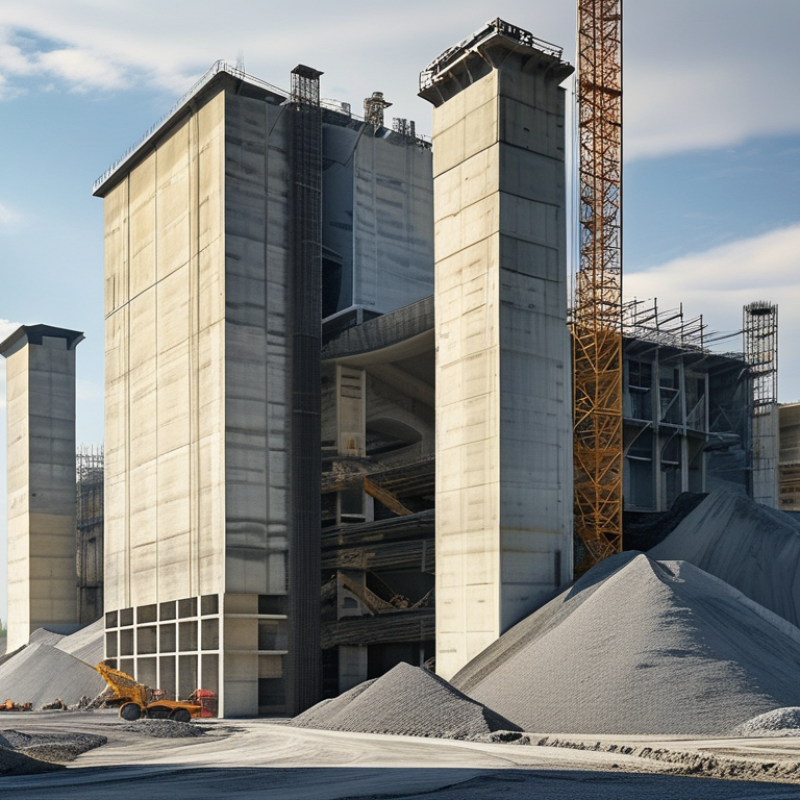
Importance of Mineral Admixtures in Modern Construction Techniques
Mineral admixtures play a crucial role in modern construction techniques. According to a report from the American Concrete Institute, these materials can enhance the durability, workability, and overall performance of concrete. For instance, incorporating fly ash can improve resistance to alkali-silica reaction, a common issue in various projects. This enhances the longevity of structures, ultimately leading to reduced maintenance costs.
Optimizing the use of mineral admixtures is essential. Consider using a blend of silica fume, which can increase compressive strength significantly. A study by the National Ready Mixed Concrete Association highlights that incorporating 10-15% silica fume can improve strength by up to 30%. However, it's vital to find a balance. Too much of these additives can complicate the mix design. It may increase the likelihood of workability issues.
To successfully integrate mineral admixtures, start by testing small batches. Ensure the compatibility with other materials and the specific project requirements. Regularly analyze and adjust to maintain the desired properties of the concrete. Continuous evaluation allows for better performance and prevents issues that could arise from overuse or improper ratios. Understanding these dynamics leads to more efficient and sustainable construction practices.
How to Effectively Use Mineral Admixture in Construction?
| Mineral Admixture | Benefits | Recommended Usage | Typical Proportions (%) |
| Fly Ash | Improves workability, reduces permeability, enhances strength | Used in concrete mixes and structural applications | 15-30% |
| Silica Fume | Increases strength, reduces shrinkage, enhances durability | Ideal for high-strength concrete | 5-10% |
| Ground Granulated Blast-Furnace Slag (GGBFS) | Improves resistance to corrosion, lowers heat of hydration | Used in mass concrete structures | 30-70% |
| Metakaolin | Enhances mechanical properties, reduces permeability | Great for architectural applications | 10-20% |
Types of Mineral Admixtures Commonly Used in Concrete
Mineral admixtures play a significant role in enhancing the properties of concrete. Common types include fly ash, slag cement, and silica fume. Each has unique benefits, contributing to strength, durability, and sustainability.
Fly ash, a byproduct of coal combustion, enhances workability and reduces permeability. The American Concrete Institute (ACI) states that it can improve concrete strength by 10% to 30%, depending on the mix. However, over-reliance on fly ash can lead to delayed setting times, which might complicate construction schedules.
Slag cement, derived from steel manufacturing, provides resilience against environmental factors. Using it can increase long-term strength by up to 50%, as noted in studies by the Portland Cement Association. However, its hydration process is slower, which may necessitate adjustments in construction timelines.
Silica fume, another highly reactive mineral, boosts concrete's compressive strength significantly. Despite these benefits, its high cost and handling complexities can present challenges for concrete producers. Being aware of these trade-offs is crucial in making informed decisions while selecting admixtures.
Best Practices for Incorporating Mineral Admixtures in Mix Designs
Incorporating mineral admixtures in concrete mix designs can enhance performance and sustainability. Fly ash, silica fume, and slag are common options. Each admixture offers unique benefits, such as improved strength or reduced permeability. A blend of these can yield favorable properties in concrete. However, balancing the proportions is crucial. Too much admixture can adversely affect workability and set time.
Testing is essential for successful integration. Conduct trials to understand how each admixture interacts with other materials. Monitor changes in consistency and curing times. Be prepared for adjustments in your mix design based on these outcomes. Not every combination will work seamlessly, requiring some trial and error.
Documentation of results is key. Keep records of mix designs, proportions, and performance metrics. This helps track which combinations yield optimal results. Engage with industry experts when faced with challenges. Collaboration can lead to innovative solutions. Utilizing mineral admixtures opens up new possibilities but demands careful consideration and testing.
Impact of Mineral Admixtures on Concrete Performance and Durability
Mineral admixtures play a crucial role in enhancing concrete performance and durability. They improve workability and reduce water demand. For instance, fly ash and silica fume are common additives that contribute to better strength and reduced permeability. This leads to longer-lasting structures.
However, the effectiveness of these admixtures can vary based on their source and usage. Not all mineral admixtures perform the same way in different environmental conditions. Sometimes, the incorporation of these materials can lead to unexpected reactions. Efforts to optimize their use require careful consideration and testing. The impact on concrete strength and durability may not always be positive if not properly managed.
Builders and engineers must evaluate the specific conditions of their projects. Understanding local materials and their properties is essential. Relying solely on general guidelines can lead to issues down the line. By continually refining the use of mineral admixtures, we can enhance concrete performance while minimizing potential risks. Finding the right balance is key to successful outcomes in construction.
Guidelines for Testing and Quality Control of Mineral Admixtures
Testing and quality control of mineral admixtures are crucial steps in construction projects. Ensuring the correct composition and performance of these materials can significantly impact durability and strength. One effective approach is to perform regular tests on the mineral admixtures before they are used. Standard tests can evaluate their physical and chemical properties. For instance, checking the fineness can reveal how well the admixture will combine with cement.
Consistency in testing is vital. Establishing a quality control process helps in detecting any deviations. It’s advisable to maintain a log of test results. This documentation serves not just as a record but also as a guide for future projects. Routine inspections of batches can help identify any irregular behavior.
However, many overlook the nuances of these tests. Not every batch will perform as expected under real-world conditions. Some may even fail without apparent reasons. This points to the need for continuous learning and adaptation in quality control measures. Reviewing and refining testing techniques based on past experiences can improve accuracy. It’s essential to foster an environment where feedback is valued. This practice ensures that quality control evolves with new challenges in the field.



 Close
Close