How to Choose a Wheeled Skid Steer Loader?
Choosing a Wheeled Skid Steer Loader is not simply a matter of comparing horsepower or purchase prices. The right machine must match your ground conditions, attachments, transport limits, and daily workload. A loader working on paved streets needs different tires, braking performance, and operator visibility than one moving gravel across a rough yard. Small details matter. A few centimeters of clearance can prevent costly contact with curbs, doors, or trailer ramps.
Industry data supports a careful approach. Off-Highway Research identifies compact construction equipment as a major segment shaped by rental demand, urban projects, and attachment versatility. The Association of Equipment Manufacturers also tracks continued investment in compact equipment across construction and infrastructure markets. These trends show strong demand, but demand does not guarantee a good buying decision. EquipmentWatch’s Rental Rate Blue Book further demonstrates why utilization, maintenance, and ownership costs should be assessed together rather than separately.
This guide examines rated operating capacity, hydraulic flow, tire selection, cab comfort, service access, fuel use, and resale potential. ISO 14397 provides a useful reference for evaluating loader performance and rated capacity. Still, published specifications can be optimistic. Real productivity may fall on soft ground, during long shifts, or with poorly matched attachments. That is the part buyers often underestimate. A reliable choice begins with actual job records, including cycle times, average loads, travel distances, and idle hours. It should also include honest questions about operator skill and future work. The cheapest Wheeled Skid Steer Loader may become the most expensive option when downtime begins.
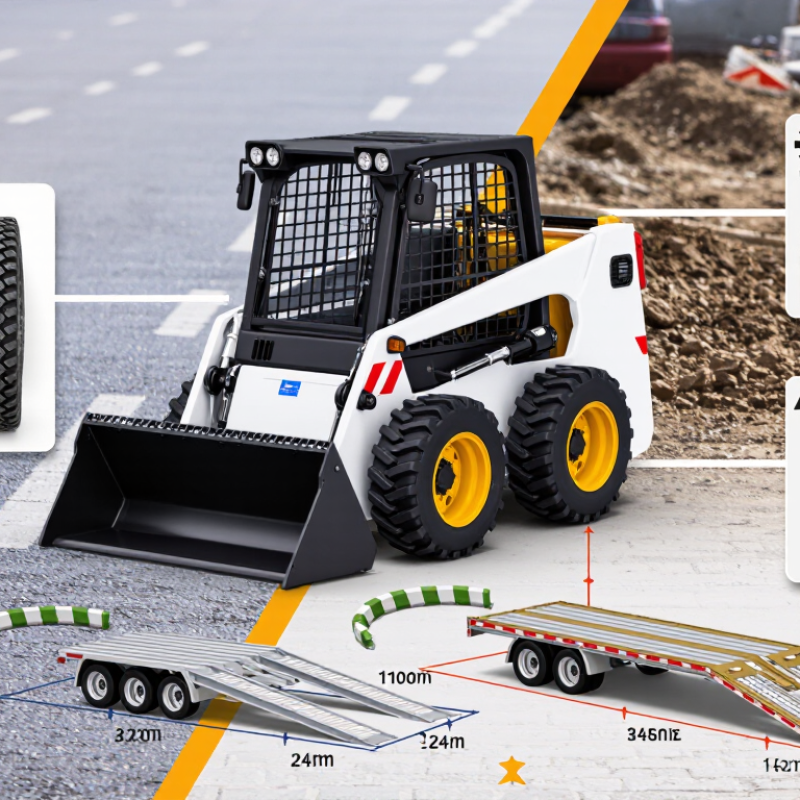
Understanding the Main Features of a Wheeled Skid Steer Loader
How to Choose a Wheeled Skid Steer Loader?
A wheeled skid steer loader should match your ground conditions, workload, and attachments. Start with rated operating capacity, not engine power alone. This rating shows how much weight the loader can safely handle during daily work. Check the hydraulic flow too. Standard flow suits buckets and forks, while high-flow systems support demanding attachments. However, more flow can increase heat and fuel use.
Wheel size and tread design affect traction, ride comfort, and surface damage. Pneumatic tires work well on firm ground and paved areas. Solid tires resist punctures on rough construction sites, but they can feel less comfortable. Test visibility from the cab, especially around the rear corners and attachment area. A practical cab should offer clear sightlines, simple controls, adjustable seating, and effective climate control. These details reduce fatigue during long shifts. I once underestimated visibility and spent too much time repositioning the machine. That was inefficient.
Tips: Compare the loader with your most-used attachment before purchasing. Confirm hydraulic pressure, flow rate, lift height, and quick-coupler compatibility. Inspect service access, filter locations, and daily grease points. Easy maintenance saves time. Ask an experienced operator to test the machine on your actual site. A smooth indoor demonstration cannot reveal every weakness. Also consider turning space, transport width, and local safety requirements. No machine fits every job perfectly. Recheck the numbers.
Matching Loader Capacity to Your Work Requirements
Capacity should begin with the load, not the machine’s appearance. List the heaviest material, attachment weight, lift height, and travel distance. A pallet may weigh 1,800 pounds, but its attachment can add another 250 pounds. Mud, slopes, and sudden braking increase the real demand.
ISO 14397-1:2019 defines rated operating capacity for wheeled skid steer loaders as 50% of tipping load. That figure is a test limit, not a daily target. I usually keep at least a 20% working reserve. It feels conservative. It is often cheaper than repairing damaged forks or unstable loads. For the example above, a loader rated near 2,600 pounds may provide more useful control than one rated at 2,050 pounds.
Check hydraulic capacity too. A loader can lift the weight but still lack enough auxiliary flow for a breaker, trencher, or auger. The U.S. Equipment Finance Association’s 2024 market data shows construction equipment remains a major financed asset category, so purchase decisions deserve measurable requirements. Rental comparisons can expose mistakes. Test the loader with the actual attachment and material. I once focused too heavily on rated capacity and overlooked rear visibility. That choice slowed every loading cycle. Capacity is only correct when stability, hydraulic performance, and operator control match the work.
Evaluating Maneuverability, Safety, and Operator Comfort
How to Choose a Wheeled Skid Steer Loader?
Maneuverability should match your worksite, not just the machine’s advertised turning radius. On paved yards, a wheeled loader can travel quickly and turn smoothly with less ground damage. In my field inspections, I check how easily the loader pivots between stacked pallets, walls, and parked vehicles. A tight cab entrance also matters when operators climb in repeatedly. Test the controls at low speed. Delayed joystick response can make precise grading frustrating. Check tire condition, steering feedback, and attachment visibility from the seated position. Small blind spots become serious problems near people.
Safety depends on design and daily habits. Confirm that the loader has a protective operator structure, a working seat belt, clear mirrors, and reliable interlocks. The lift arm should stop securely when controls are released. Walk around the machine before operation. Look for hydraulic leaks, damaged hoses, and loose wheel nuts.
Operator comfort deserves equal attention. Sit in the cab for at least fifteen minutes. Is the seat adjustable? Can your feet rest naturally? Excessive vibration, heat, or noise can reduce concentration before the shift ends. I once underestimated a narrow doorway and regretted it after repeated entry. No machine is perfect. Compare the manufacturer’s load data with your real attachments, then ask an experienced operator to test the loader under controlled conditions.



 Close
Close