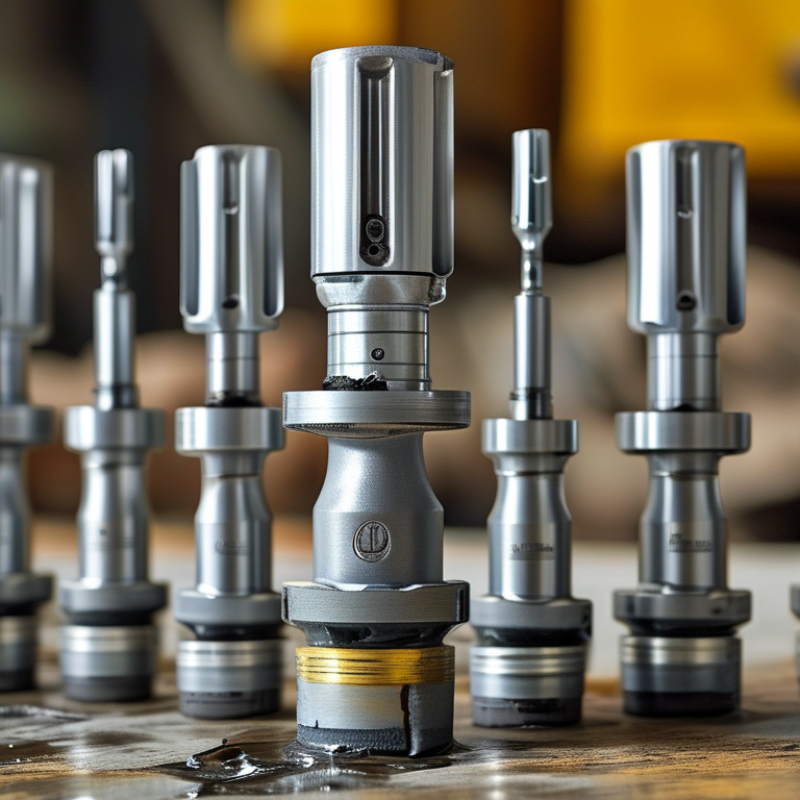
Choosing a mud pump piston rod starts with accurate dimensions, not a familiar part number. Measure rod diameter, total length, thread form, shoulder position, keyway, and piston-end geometry. Compare every value with the pump drawing and maintenance manual. API Spec 7K and the IADC Drilling Manual stress equipment-specific verification because similar pump sizes can use different rod connections. A small thread mismatch can create fretting, leakage, or sudden fatigue damage.
Material selection needs equal discipline. Forged alloy steel, often in the 4140 or 4340 family, offers useful strength and toughness after controlled heat treatment. However, the grade alone proves little. Request the mill certificate, actual yield strength, tensile strength, hardness, grain quality, and impact results. ISO 15156 is relevant when sour-service exposure may affect material performance. For the surface, specify chrome or another approved coating only after checking thickness, adhesion, finish, and repair limits. Surface roughness matters around packing and seals.
Industry maintenance reports repeatedly connect premature rod failures with misalignment, abrasive fluid, and poor lubrication. That matches field experience. Still, I would not trust a generic “heavy-duty” claim. A 2024 technical review from the International Association of Drilling Contractors emphasizes documented inspection and traceability, yet inspection intervals vary by load and service. I have seen a correctly sized rod fail because the crosshead alignment was ignored. The specification was right. The installation was not.


 Close
Close