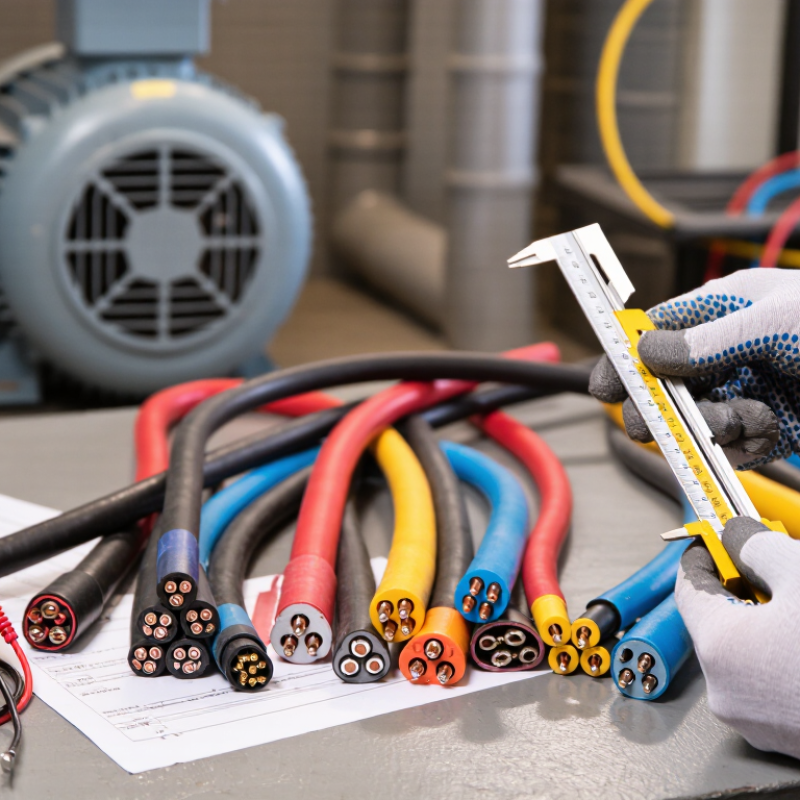
| PVC (polyvinyl chloride) | IEC 60227 covers PVC-insulated cables for rated voltages up to 450/750 V. For power cables, check the applicable product standard and voltage rating. | Typically 70°C in normal service; the permitted short-circuit temperature depends on the cable standard and construction. | Low | Widely used and generally economical. Verify suitability for the installation temperature, chemical exposure, sunlight, and fire-safety requirements. | General-purpose building wiring and fixed installations where the applicable voltage and environmental requirements are met. |
| XLPE (cross-linked polyethylene) | IEC 60502-1 applies to certain extruded-insulation power cables rated 1 kV and 3 kV. Confirm the cable’s voltage class and any additional installation requirements. | Typically 90°C in normal service; some applicable standards specify a 250°C maximum conductor temperature for short-circuit conditions. | Medium | Higher operating-temperature capability than typical PVC cable. Long-term performance still depends on correct sizing, installation, temperature, and protection from damage. | Power distribution and installations needing higher current-carrying capability or improved thermal performance compared with typical PVC designs. |
| EPR (ethylene propylene rubber) | IEC 60245 covers rubber-insulated cables within its specified scope. Check the specific cable standard, voltage rating, and manufacturer’s technical data. | Often 90°C for common power-cable constructions; ratings vary with the compound and cable design. | Medium to high | Flexible rubber insulation can suit demanding service conditions. Check resistance to oils, chemicals, moisture, and repeated flexing against the actual application. | Flexible power connections and installations where flexibility or the cable’s specified environmental properties are important. |
| LSZH / low-smoke, halogen-free compounds | IEC 60754 addresses tests for gases evolved during combustion; IEC 61034 addresses smoke density. IEC 60332 includes tests for flame propagation. These are performance tests, not a single insulation-material specification. | Varies by compound and cable construction; common products may be rated 70°C or 90°C. Confirm the product datasheet. | Medium to high | Can reduce smoke and corrosive halogen-acid gas emissions in a fire when the cable meets the relevant test requirements. “LSZH” alone does not establish a fire-resistance rating. | Buildings and enclosed areas where reduced smoke and halogen-acid gas emissions are specified, subject to the project’s fire and cable requirements. |
| Selection note: Temperature ratings and standards depend on cable construction, voltage class, installation method, and jurisdiction. Compare complete cable specifications—not insulation names alone—and verify current local codes, load calculations, ambient temperature, grouping, fire requirements, and installation conditions before selection. Relative cost is indicative; actual prices vary with conductor metal and size, voltage rating, shielding, armouring, order quantity, and market conditions. |

 Close
Close