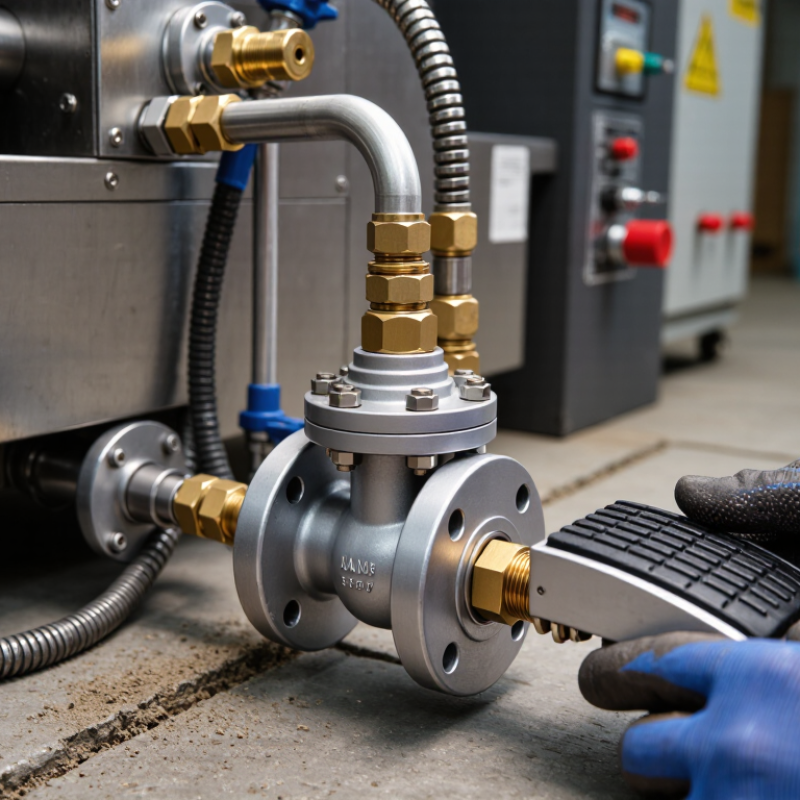
Choosing a foot pedal valve starts with its environment, not its catalog photograph. An IP65 rating means dust-tight protection and resistance to water jets under IEC 60529. It does not certify immersion, pressure washing, or chemical exposure. Test conditions matter. A pedal near a washdown station needs sealed joints, protected cable entries, and a cover that does not trap grit.
Temperature is equally practical. Compare the valve’s rated range with actual floor temperatures, cleaning cycles, and heat from nearby machinery. IEC 60068 environmental testing shows that temperature cycling can stress seals and connections, even when average temperature looks acceptable. Leave operating margin. A valve rated from -20°C to 60°C may still perform poorly when condensation repeatedly forms inside it. I once treated the published range as a guarantee; that was too optimistic.
Corrosion resistance deserves evidence, not adjectives. ISO 9223 classifies atmospheric corrosivity from C1 to CX, while ISO 9227 salt-spray testing helps compare materials and finishes. Salt-spray hours alone do not predict service life. That limitation is easy to overlook. The NACE IMPACT study estimated global corrosion costs at about US$2.5 trillion annually, roughly 3.4% of global GDP. In coastal, food-processing, or chemical areas, inspect fasteners, springs, and pedal hinges—not only the housing. Choose documented materials, replaceable seals, and test samples under real cleaning conditions.



 Close
Close