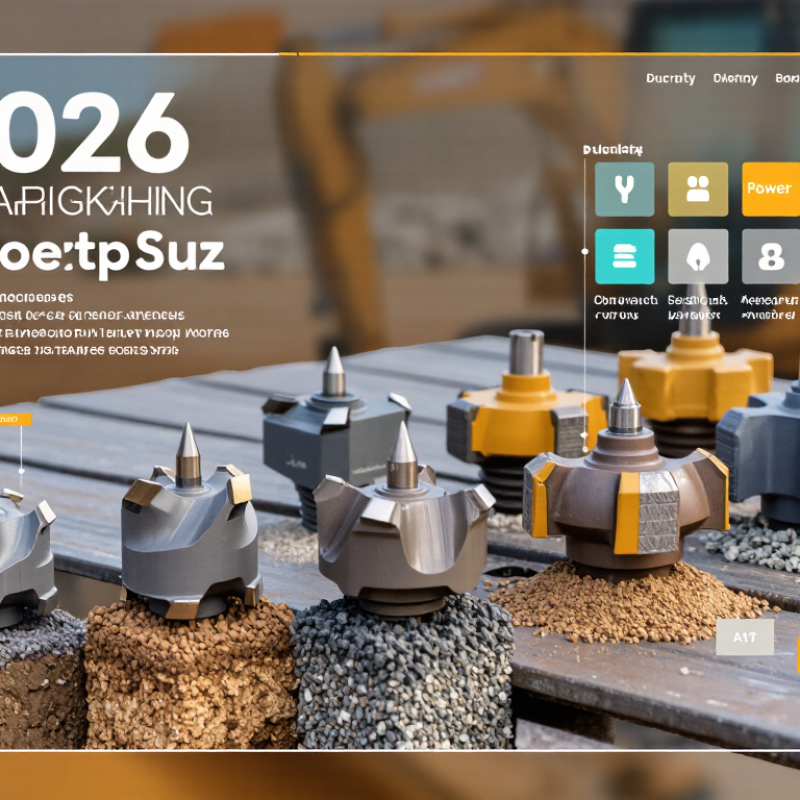
How to Choose the Right Bucket Tooth in 2026?
Bucket tooth selection starts with the material, not the excavator’s rated power. Loose sand needs a narrow, penetrating profile that fills quickly and releases cleanly. Sticky clay often needs wider spacing and stronger self-cleaning relief. Too much surface area can turn a productive bucket into a blunt scoop. Field teams should inspect the soil after several passes, because moisture can change its behavior dramatically.
The U.S. Geological Survey’s Mineral Commodity Summaries 2024 reported approximately 1.5 billion metric tons of crushed stone produced in the United States during 2023. That scale highlights the importance of controlling wear in aggregate operations. Abrasive granite usually demands a shorter, reinforced tooth with substantial heel protection. Fractured limestone may work better with a sharper penetration angle. However, a sharper point can wear faster than expected.
Rock is not the only challenge. Recycled concrete may contain steel fragments, while frozen ground creates sudden impact loads. A heavier tooth can survive impacts, but it may reduce digging efficiency and increase fuel demand. Operators should compare penetration, wear rate, breakout force, and replacement time. The cheapest tooth is rarely the lowest-cost choice. I would not trust a laboratory wear rating alone; actual haul distance, operator technique, and moisture still deserve careful review.


 Close
Close