How to Choose the Right Abrasive Flap Disc?
Choosing the right Abrasive Flap Disc is not a matter of picking the most aggressive product. It is a practical decision shaped by metal type, surface condition, tool speed, and the finish you need. A disc that removes welds quickly may leave deep scratches on stainless steel. Another may polish beautifully but struggle against heavy scale.
Dr. Stephen Malkin, a respected grinding researcher, expresses the core principle clearly: “Grinding is a cutting process, not simply rubbing.” This idea matters when comparing flap materials, grit sizes, backing plates, and disc shapes. Zirconia alumina often suits demanding steel work. Ceramic grain can support fast cutting under high pressure. Aluminum oxide may be a sensible choice for lighter applications and controlled finishing. Still, product labels can oversimplify the decision.
Look closely at the workpiece. Is the edge sharp or rounded? Is the weld bead wide, uneven, or already blended? A 40-grit disc may remove material rapidly, while an 80-grit disc can refine the surface afterward. Use the correct disc diameter and never exceed the grinder’s rated speed. Small details matter.
Real workshop experience also exposes an uncomfortable truth: the “best” disc can perform poorly in the wrong hands. Excessive pressure can clog the flaps, overheat the metal, and shorten disc life. I have seen operators blame the abrasive when their angle was too flat. That mistake is easy to make. This guide examines the variables more carefully, while admitting that no chart can replace a controlled test on your actual material.
Understanding Abrasive Flap Disc Types and Construction
How to Choose the Right Abrasive Flap Disc?
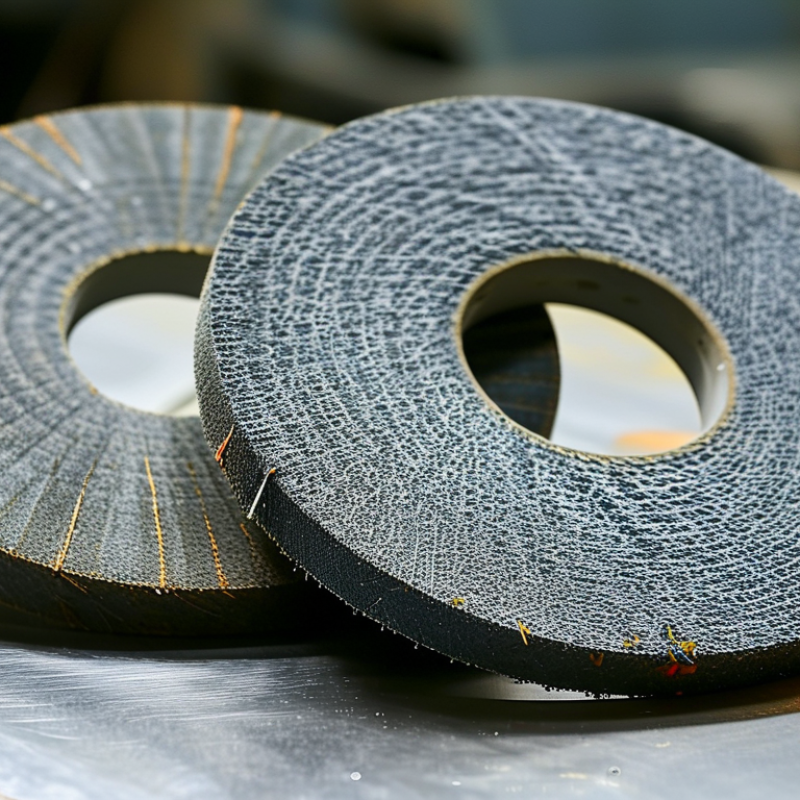
An abrasive flap disc combines overlapping abrasive cloth flaps with a firm backing plate. The flaps expose fresh grit as the outer edges wear. This self-renewing action can produce a steadier finish than a flat grinding wheel.
Construction affects control, heat, and service life. Fiberglass backings offer strength and controlled flexibility. Plastic or composite backings can reduce weight and allow trimming in some applications. Dense flap arrangements usually remove material faster, while spaced flaps improve airflow and reduce heat. That detail matters.
Abrasive type also changes the working character. Aluminum oxide suits general steel preparation and light blending. Zirconia provides stronger cutting performance on tougher metals. Ceramic grains can stay sharp during demanding applications, but they may require proper pressure and machine speed. Grit size guides the finish: coarse grits remove weld marks, medium grits smooth scratches, and fine grits prepare surfaces for polishing.
Flap angle matters too. A shallow angle supports controlled finishing, while a steeper angle increases contact and stock removal. Use the disc within its marked speed rating, and inspect the flaps and backing before work. Small cracks deserve attention.
In practical use, operators often choose an overly coarse disc for speed. It removes metal quickly but may create deeper scratches and extra rework. I have also found that “longer life” is not always better. A disc that cuts slowly can waste time, electricity, and patience. Test the grit, flap density, and pressure on a small area before committing to the entire surface.
How to Choose the Right Abrasive Flap Disc?
Understanding abrasive grain types, flap construction, and grit selection helps match a flap disc to the material and finishing task.
Aluminum Oxide A general-purpose abrasive for mild steel, painted surfaces, and light grinding or finishing work.
Zirconia Alumina A self-sharpening grain suited to stainless steel and demanding stock removal applications.
Ceramic Alumina Designed for high-pressure grinding, especially where fast cutting and long working life are required.
Flap Construction Overlapping abrasive cloth flaps provide a flexible cutting surface, consistent contact, and smoother finishing than a rigid grinding wheel.
The chart uses approximate nominal mean abrasive grain sizes commonly associated with FEPA P-grades. Lower P numbers use larger grains for faster material removal; higher P numbers use smaller grains for finer finishing. Actual results depend on material, pressure, disc diameter, backing design, and operating speed.
Matching Disc Abrasive Materials to Your Workpiece
How to Choose the Right Abrasive Flap Disc?
Matching Disc Abrasive Materials to Your Workpiece
Choosing a flap disc starts with the workpiece, not the disc color or price. The abrasive material must suit the metal, coating, and finishing goal. For carbon steel, zirconia or ceramic abrasive grains remove welds quickly and maintain a sharp cutting action. They work well on edges, brackets, and heavy rust. Aluminum needs a disc designed to resist loading. Otherwise, soft metal can smear across the flaps and reduce cutting performance. A coarser grit may help, but excessive pressure often causes more clogging.
Stainless steel requires careful heat control. Ceramic or premium zirconia grains can remove material while limiting discoloration. Use moderate pressure and keep the disc moving. Letting it stay in one spot may create blue heat marks. Small details matter. For wood, plastic, or painted surfaces, aluminum oxide often provides a smoother, more controlled result. Choose a finer grit when preparing a surface for coating.
I have found that grit selection is often more important than expected. A coarse disc removes material fast, but it can leave deep scratches. A fine disc produces a cleaner finish, yet it may waste time on a rough weld. That trade-off deserves attention. I once selected a disc for speed and later needed extra blending work. The faster option was not truly faster. Test a small area, inspect the scratch pattern, and adjust the abrasive before continuing.
Checking Tool Compatibility, Safety, and Operating Requirements
Choosing the right abrasive flap disc begins with the tool, not the disc. Check the grinder’s spindle size, rated speed, guard position, and power rating. The disc’s maximum revolutions per minute must equal or exceed the tool’s operating speed. Never assume a larger disc is suitable.
Inspect the abrasive disc before fitting it. Reject discs with torn flaps, cracked backing plates, moisture damage, or unclear markings.
OSHA’s abrasive wheel requirements emphasize guarding, correct mounting, and safe operating practices. The Health and Safety Executive reported 604,000 non-fatal workplace injuries in Great Britain during 2023/24.
That figure covers all industries, but it shows why small preparation errors deserve attention. Keep the guard installed, wear eye and hearing protection, and use respiratory protection when dust exposure requires it. Hold the grinder firmly with both hands. Use light, steady pressure rather than forcing the disc into the metal. Heavy pressure can increase heat, vibration, and premature wear.
Match the disc material to the workpiece. Use a flap disc designed for steel, stainless steel, aluminum, or painted surfaces. Confirm the disc’s recommended angle and contact method.
Keep sparks away from combustible materials. A quick test run in a clear area can reveal vibration. It is tempting to skip this step. That shortcut is rarely worth it.
If the tool, disc, or workpiece feels unstable, stop and reassess before continuing.

 Close
Close