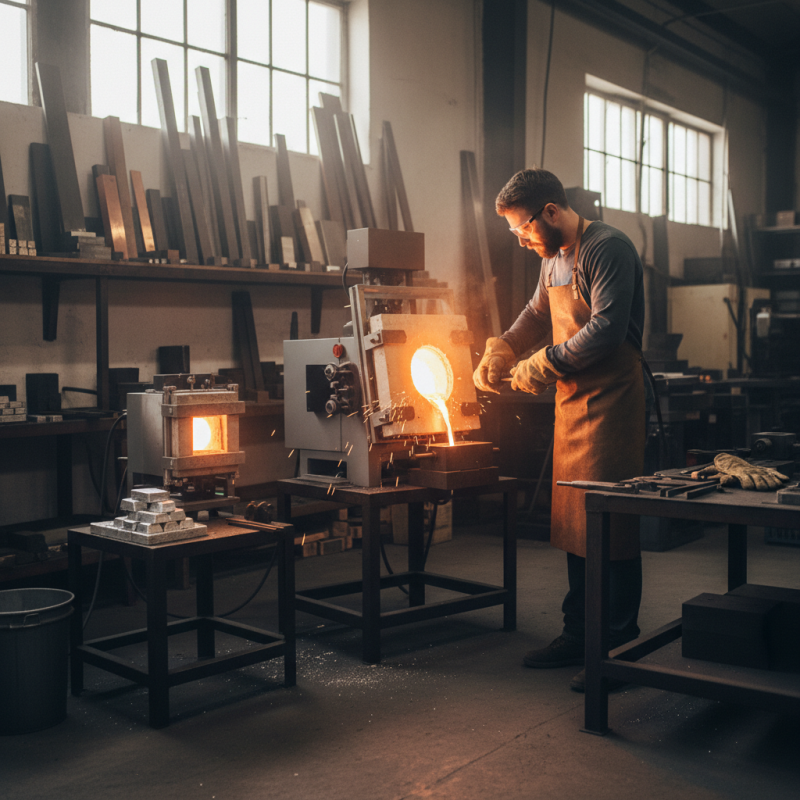
How to Choose the Best Melting Furnace for Your Needs?
Choosing the right Melting Furnace is crucial for your metalworking projects. A melting furnace is not just a piece of equipment; it is an investment in your craft. Various types and models are available, each tailored for specific needs. Understanding your requirements will guide you toward the best furnace.
Consider your working scale. Are you a hobbyist or a professional? The scale will determine the furnace size you need. Factors like power source, temperature capacity, and materials to be melted are essential. Some furnaces are best for aluminum, while others excel with gold or silver.
Reliability is vital when selecting a melting furnace. Research brands and seek reviews from experienced users. Inspect warranties and support options. Each furnace may have unique features, but not all will meet your expectations. Reflect on what works best for your projects before making a choice.
Understanding Different Types of Melting Furnaces Available in the Market
When selecting a melting furnace, understanding the types available is crucial. There are primarily three categories: electric, gas, and induction furnaces. Each type has distinct attributes. For instance, electric furnaces are known for their accuracy and energy efficiency. According to the International Energy Agency, electric melting furnaces can achieve efficiencies greater than 90%. This makes them a popular choice among small to medium-sized operations.
Gas furnaces, conversely, offer the advantage of lower operational costs, especially in regions with abundant natural gas. They can melt larger quantities of material more quickly. However, they may not always provide the precise temperature control required for specific alloys. Interestingly, a report from the American Foundry Society highlights that many foundries are now transitioning from gas to electric due to stricter emissions regulations.
Induction furnaces represent a hybrid of efficiency and performance. These units utilize electromagnetic fields to heat and melt materials. This technology has gained traction due to its rapid melting times and minimal energy loss. However, they require a higher initial investment. Research from the Materials Research Society indicates that induction furnaces can reduce melting times by 30%, reflecting their effectiveness. Each of these options presents advantages and drawbacks that must align with an operation's unique melting needs.
Understanding Different Types of Melting Furnaces
Assessing the Capacity Requirements for Your Melting Furnace
When choosing a melting furnace, understanding capacity requirements is crucial. The capacity you need hinges on the type and volume of materials you intend to melt. For small-scale projects, you may require a furnace with a capacity of just a few kilograms. However, larger operations often necessitate furnaces that can handle hundreds of kilograms or more. This variance can significantly impact your work efficiency and output.
It's essential to accurately gauge the amount of material you will melt per operation. Misjudging capacity can lead to wasted resources. A furnace that is too small will require multiple loads. Conversely, an oversized furnace can lead to unnecessary energy consumption. Be sure to assess your operational rhythm and peak demands. This reflection will help determine a suitable capacity that aligns with your needs and financial constraints. Analyzing your specific applications will guide you in selecting the most efficient furnace for your unique situation.
Evaluating Energy Efficiency and Operating Costs of Melting Furnaces
When evaluating melting furnaces, energy efficiency is a critical factor. A furnace that consumes less energy can significantly reduce overall costs. Look for models with high insulation ratings. Insulation helps maintain temperatures, lowering energy consumption. It’s essential to assess energy source options. Electric and gas furnaces have different efficiencies. Consider your operational environment. Some setups might favor one energy type over another.
Operating costs encompass more than just energy use. Maintenance expenses can add up over time. Regular checks and parts replacements are essential for longevity. Ask about expected maintenance intervals from manufacturers. This will help you budget accurately.
Furnace capacities are another key consideration. A model that is too large wastes energy. Conversely, one that is too small may require overworking, leading to higher costs. Analyze your specific melting needs. Reflect on how often you will use the furnace. Your frequency of use can lead to better insights on durability and operational lifespan. Balancing these factors is crucial for making an informed choice.
Identifying Safety Features and Compliance Standards in Melting Furnaces
When selecting a melting furnace, safety features and compliance standards are crucial. These elements protect operators and ensure quality in metal processing. Industry reports indicate that up to 30% of workplace accidents involve equipment misuse. Detailed guidelines help mitigate these risks.
Look for furnaces equipped with thermal shielding and automatic shut-off systems. These features can significantly reduce the risk of burns and explosions. Compliance with ANSI and OSHA regulations is essential. Many employers overlook these standards, risking penalties and workplace hazards.
Regular safety audits improve compliance and reveal gaps in training. Documented inspections help reinforce safety protocols. A furnace that lacks transparent safety features may not meet necessary standards.
Always prioritize equipment that demonstrates reliability. Consider consulting with industry experts when making your choice. This ensures a furnace that aligns with both safety and operational requirements.
Considerations for Maintenance and Longevity of Your Melting Furnace
Maintaining a melting furnace is crucial for ensuring its longevity and efficiency. Regular inspections can prevent costly breakdowns. According to industry studies, proper maintenance can extend the lifespan of a melting furnace by up to 30%. This highlights the need for thorough maintenance routines.
It's essential to monitor thermal efficiency. Over time, furnace insulation may degrade. This can lead to energy losses, increasing operational costs. Routine checks, ideally quarterly, help identify insulation issues early. Additionally, keeping the furnace clean can improve performance. Dust and debris can obstruct heating elements.
User experience shows that preventive maintenance is more cost-effective than reactive repairs. Scheduled services often uncover minor issues before they escalate. Reporting data from the last five years states that facilities practicing regular maintenance save an average of 15% on operating costs annually. The right approach matters; a well-maintained furnace not only functions better but can also enhance safety.
How to Choose the Best Melting Furnace for Your Needs? - Considerations for Maintenance and Longevity of Your Melting Furnace
| Feature | Importance | Considerations | Maintenance Tips |
| Heating Capacity | High | Choose based on the materials and volume you plan to melt. | Regularly check thermocouples for accuracy. |
| Energy Efficiency | Medium | Look for furnaces with better insulation and heating methods. | Insulate the furnace properly to minimize heat loss. |
| Material Compatibility | High | Ensure the furnace can handle the types of metals you intend to work with. | Clean crucibles regularly to prevent material contamination. |
| Temperature Control | High | Precision in temperature settings is vital for quality outcomes. | Calibrate temperature controls periodically. |
| Safety Features | High | Look for features like emergency shut-off and safety interlocks. | Conduct regular safety checks and maintain protective gear. |

 Close
Close