How to Choose a Terrain Cart in 2026 for Global Buyers?
Terrain carts differ by workload, surface, and operator control.
A four-wheel utility cart suits farms, resorts, and maintenance roads. It offers stable handling and a tighter turning radius.
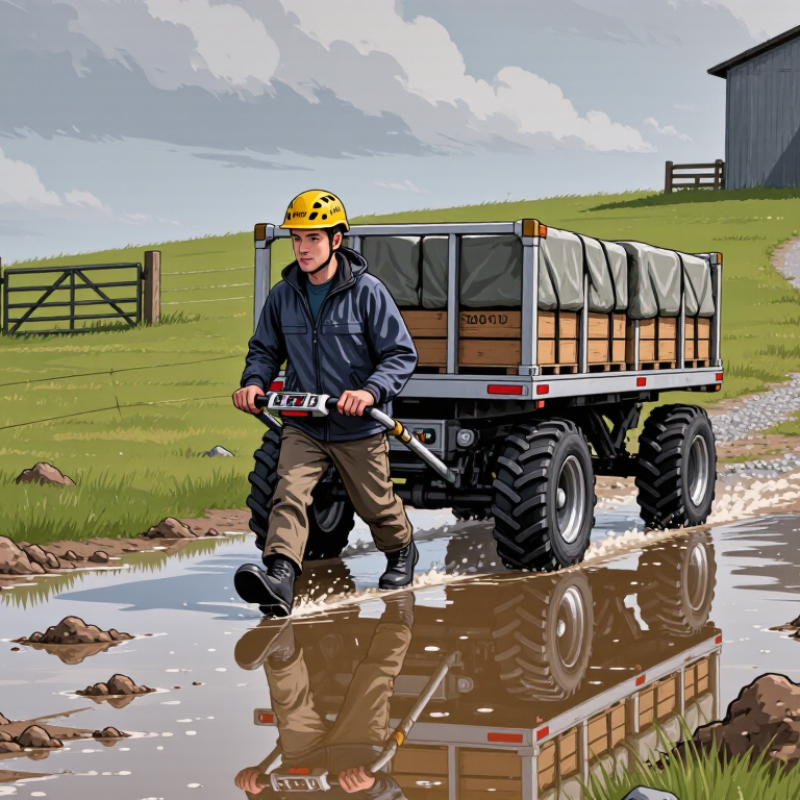
Six-wheel carts carry heavier loads across gravel, mud, and uneven grass. Their longer frames need wider paths.
Tracked carts perform better on soft soil and steep ground, but they usually move slower and consume more energy.
A powered hand cart may be better for stairs, narrow corridors, and short warehouse routes.
That choice is often overlooked.
The UN World Urbanization Prospects reports that 56% of people lived in urban areas in 2021. It projects nearly 68% by 2050. This supports demand for compact carts in campuses, construction sites, and public facilities.
Buyers should measure doorway width, ramp gradient, payload, ground clearance, and turning space.
Check battery replacement access, charging voltage, and weather protection for each destination.
The IEA Global EV Outlook 2024 recorded nearly 14 million electric car sales in 2023, representing about 18% of new car sales. Electric drivetrains are becoming familiar, but terrain carts face heavier loads and slower speeds.
Do not copy passenger-vehicle assumptions.
Field testing remains essential.
Drive the cart over wet clay, loose stones, and a loaded ramp. Observe braking, wheel slip, visibility, and operator fatigue.
A high-capacity model can still fail on a narrow path.
I have seen buyers prioritize payload and regret ignoring turning space. That lesson deserves repeating.
Data helps, but ground conditions decide.



 Close
Close