How to Choose the Right Tractor Hydraulic Pump for Your Needs?
When selecting a tractor hydraulic pump, it's important to understand your specific needs. Expert James Thornton, a leading authority in agricultural machinery, emphasizes, "Choosing the right hydraulic pump can make or break your farming efficiency."
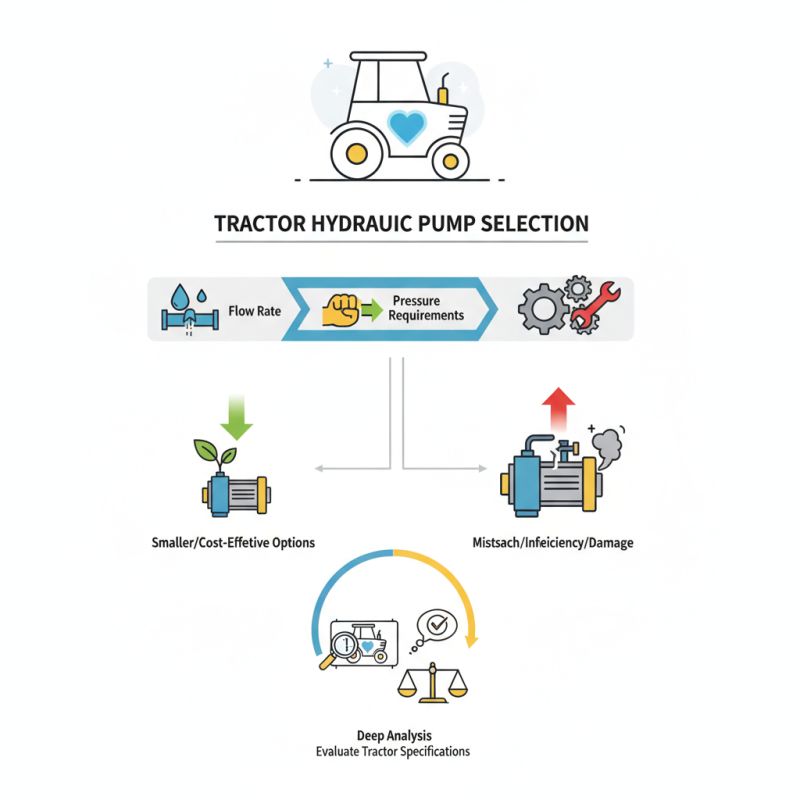
Tractor hydraulic pumps are vital components that drive various implements and attachments. They provide the necessary power to operate equipment like loaders, plows, and more. The choice of a hydraulic pump also impacts the overall performance of your tractor. A mismatch can lead to inefficiency or even damage.
Consider factors like flow rate, pressure requirements, and compatibility. Not all pumps are created equal. It’s essential to evaluate your tractor specifications before purchasing. Sometimes, smaller or less costly options can perform just as effectively. Be wary; these decisions can seem straightforward but often require deeper analysis to avoid future issues.
Understanding the Function of Hydraulic Pumps in Tractors
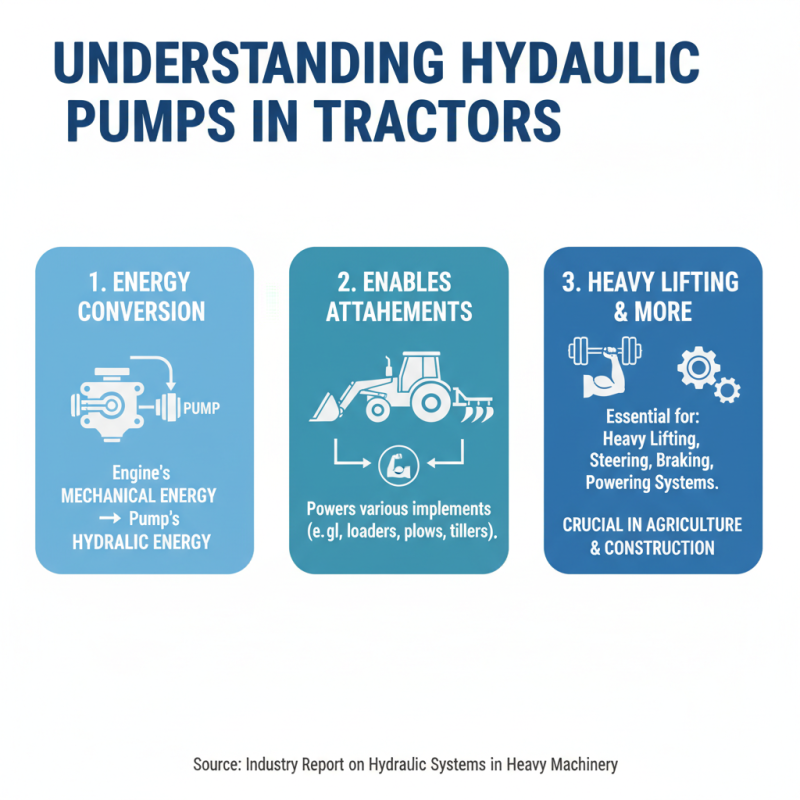
Hydraulic pumps play a vital role in the functionality of tractors. They convert mechanical energy from the engine into hydraulic energy, allowing various attachments and implements to operate effectively. According to a recent industry report, hydraulic systems are essential for performing heavy lifting tasks, making them crucial in agriculture and construction.
When selecting a hydraulic pump, it’s important to consider factors like flow rate and pressure requirements. Typically, most tractor hydraulic systems operate between 1,500 to 3,000 psi. An appropriate pump must match these specifications for optimal performance. Inadequate pressure can lead to inefficient operation, while excessive pressure may damage components.
Tip: Ensure your hydraulic pump has a sufficient cooling mechanism. Overheating can significantly reduce pump efficiency and lifespan.
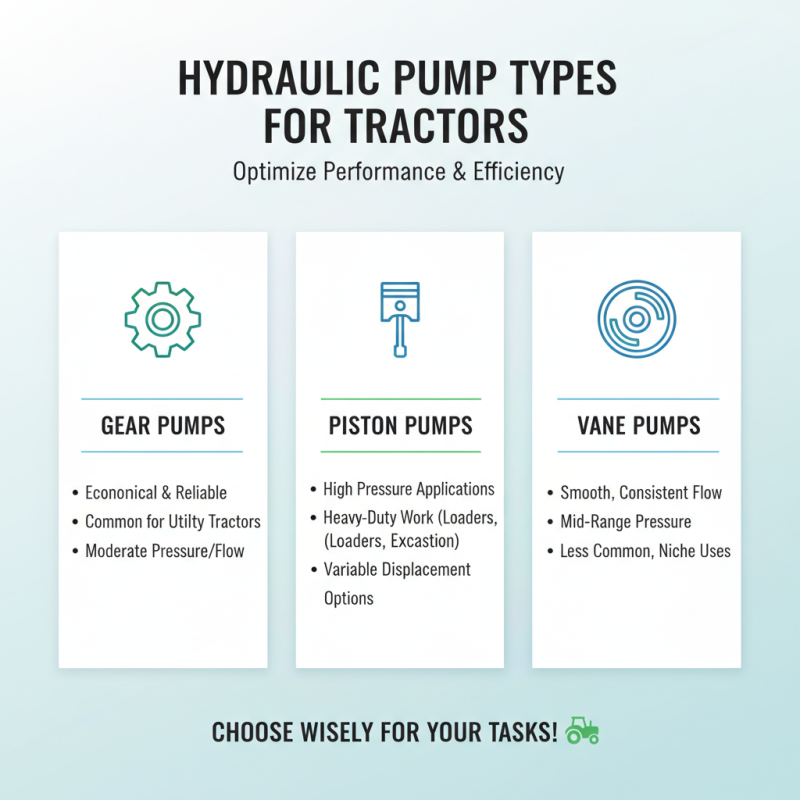
Another consideration is the type of hydraulic pump. Gear pumps and piston pumps each have unique advantages depending on application needs. For instance, gear pumps are often less costly and easier to maintain. However, piston pumps typically offer higher efficiency and are better for variable flow applications.
Tip: Regularly check fluid levels to avoid system failures. Low hydraulic fluid can lead to pump cavitation, causing severe damage.
Identifying Your Tractor's Hydraulic System Requirements
When selecting a hydraulic pump for your tractor, it's crucial to understand the hydraulic system requirements. Each tractor model has specific flow rate and pressure needs. According to industry reports, hydraulic systems typically operate within pressure ranges of 1,500 to 3,500 PSI. It's essential to match the pump to these specifications for optimal performance.
Different applications also require different pump types. For example, gear pumps are commonly used for higher flow rates, while piston pumps excel at delivering high pressure. A mismatch can lead to system inefficiencies. Research indicates that incorrect pump selection can reduce overall system efficiency by as much as 30%. Such inefficiencies not only affect performance but can also lead to costly repairs.
You should consider your tractor's primary tasks. If you operate equipment that requires rapid and powerful hydraulic action, a high-capacity pump is critical. Analyze your lifting requirements and cycle times. Many operators overlook these details and face operational challenges later. Keeping these factors in mind helps ensure that you select the right hydraulic pump for your tractor's unique needs.
How to Choose the Right Tractor Hydraulic Pump for Your Needs?
| Requirement |
Description |
Hydraulic Pump Type |
Flow Rate (GPM) |
Pressure Rating (PSI) |
| General Purpose |
Suitable for basic tasks like lifting and lowering |
Gear Pump |
5-15 |
1500-2500 |
| Heavy Duty Operations |
For demanding applications like larger implements |
Piston Pump |
15-30 |
2500-3500 |
| Compact Size |
Ideal for smaller tractors with limited space |
vane Pump |
5-10 |
1000-2000 |
| High Efficiency |
Maximize performance and energy use |
Gerotor Pump |
10-20 |
2000-3000 |
| Variable Flow |
For applications that require adjustable flow rates |
Variable Displacement Pump |
10-30 |
3000-4000 |
Key Factors to Consider When Selecting a Hydraulic Pump
When selecting a hydraulic pump for your tractor, understanding key factors is vital. The type of pump greatly affects performance. Vane pumps can provide high flow rates but aren’t ideal for high pressure. Gear pumps are durable but may have lower efficiency. Piston pumps excel in high-pressure situations, making them suitable for heavy-duty tasks.
Understanding your tractor’s hydraulic system is crucial. Note its requirements for flow rate and pressure. This defines the pump's specifications. Evaluate the types of tasks you’ll be doing. Frequent heavy lifting may require a more robust pump. Light tasks won’t need the same level of power, and a less expensive option may suffice.
Tips: Always consider compatibility with your tractor. Mismatched systems can lead to failures. It’s wise to consult a professional for advice. Review user manuals and spec sheets before making decisions. Manufacturers often provide insights about performance and limitations. A pump that excels in one scenario might underperform in another. Remember, choosing the right pump means finding a balance between power and efficiency tailored to your specific needs.
Maintenance Tips for Optimal Hydraulic Pump Performance
Maintaining the hydraulic pump is critical for its longevity and effectiveness. Regular checks should include fluid levels and filter conditions. A low fluid level can lead to pump failure. It is essential to replace filters when they appear dirty. Neglecting this simple task can result in cavitation, causing severe damage.
Monitor the pump’s performance regularly. Listen for unusual noises or vibrations. These can indicate wear and tear. Inspect hoses and fittings for leaks or signs of wear. Address any issues promptly to prevent costly repairs. Remember, a little attention can go a long way, but it can be easy to overlook these details.
Routine flushing of the hydraulic system can improve efficiency. Debris buildup can hinder performance. Use appropriate fluids recommended for your system. If you are unsure, consult a professional. Over time, even small lapses in maintenance can create significant issues. A proactive approach is best to ensure peak operation and reliability.


 Close
Close