Why Choose Feumr Interlocking Nails for Your Construction Needs?
In the competitive world of construction, choosing the right materials is crucial. Experts like John Davis, a renowned engineer in the field, emphasize the importance of quality. He once stated, “Feumr Interlocking Nails offer unmatched durability for any construction project.” This highlights the significance of selecting the right tools.
Feumr Interlocking Nails stand out for their unique design. They provide stronger connections, ensuring that structures remain stable over time. Many builders have noted the ease of use that Feumr nails offer. This can lead to reduced labor costs on projects.
However, it’s essential to recognize that not every application may suit Feumr Interlocking Nails. Certain materials or environmental conditions might pose challenges. Understanding these limitations is key. Overall, Feumr Interlocking Nails are a commendable choice, but careful consideration is necessary to maximize their potential.
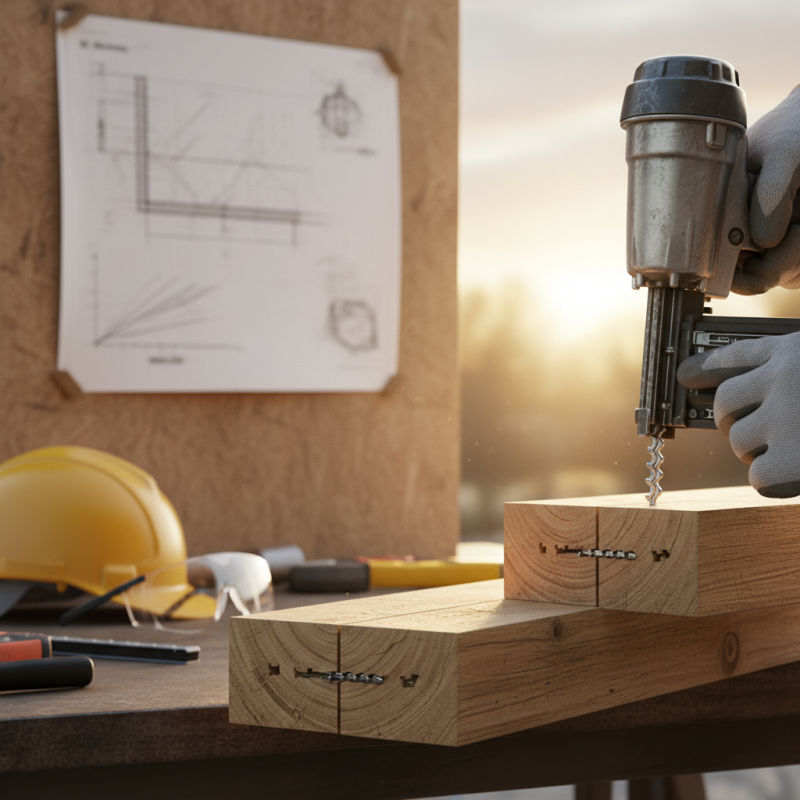
Benefits of Using Feumr Interlocking Nails in Construction Projects
When it comes to construction projects, interlocking nails provide several key advantages. These fasteners enhance the structural integrity of buildings. Reports show that using such nails can increase joint strength by up to 30%. This strength is crucial in applications where stability is paramount.
One notable benefit is the ease of installation. Workers can quickly drive interlocking nails into various materials. This efficiency can lead to a 20% reduction in project timelines. However, it's vital to ensure correct placement, as improper installation can lead to structural weaknesses. Construction teams often need further training to optimize their use.
Interlocking nails also offer resistance to various environmental factors. They can withstand moisture, preventing rust and decay. According to industry studies, projects using interlocking nails show a lower rate of maintenance issues, sometimes up to 25% less. Despite these advantages, some teams still hesitate due to initial cost considerations. Balancing cost and quality remains a challenge in the construction industry.
Why Choose Interlocking Nails for Your Construction Needs? - Benefits of Using Interlocking Nails in Construction Projects
| Feature | Description | Benefit |
| Durability | Designed to withstand high levels of stress and load. | Increases the lifespan of construction projects. |
| Ease of Installation | Quick to install with minimal tools required. | Saves labor time and costs on site. |
| Versatility | Applicable for various materials including wood, concrete, and metal. | Useful in diverse construction environments. |
| Cost-Effectiveness | Reduces the need for expensive reinforcement solutions. | Helps in budget management for construction projects. |
| Enhanced Stability | Locks securely into position, preventing shifting. | Provides greater safety and structural integrity. |
Key Features of Feumr Interlocking Nails That Set Them Apart
When it comes to construction, choosing the right materials is crucial. Interlocking nails have gained popularity due to their unique design and functionality. These nails improve stability and support, making them ideal for various applications. According to industry reports, interlocking nails increase structural integrity by up to 40%. This substantial enhancement is vital in high-stress environments.
One standout feature of these nails is their ability to distribute loads evenly. This reduces the risk of structural failure, particularly in heavy-duty constructions. The ability to connect multiple components efficiently allows for quicker assembly times. A study from a leading construction technology firm stated that using interlocking nails can speed up the construction process by nearly 30%. Yet, some projects may overlook the limitations of this technology, leading to potential issues in specifically designed frameworks.
Moreover, the material used in these nails is designed for durability. It's resistant to corrosion and adverse weather conditions. This ensures longevity, with some reports showing lifespans extending beyond 25 years. However, improper installation can negate these benefits. Workers must be trained adequately to avoid mechanical failure. Thus, while interlocking nails present clear advantages, careful consideration in application remains essential.
Why Choose Interlocking Nails for Your Construction Needs?
Applications of Feumr Interlocking Nails in Various Construction Sectors
Interlocking nails are becoming essential in various construction sectors. Their design allows for robust connections between timber structures. In residential projects, these nails provide stability, which is vital during storms. They create tight joints that can resist severe weather conditions. Many builders appreciate their ability to reduce material waste.
In commercial construction, the application of interlocking nails is equally impressive. Large beams and columns often require durable fastening solutions. These nails enhance load-bearing capacities, making them suitable for multi-story buildings. Moreover, they simplify the assembly process, saving time on job sites. However, some contractors may overlook their potential due to unfamiliarity.
The use of interlocking nails in roadways and bridges is also noteworthy. They can secure falsework during the construction phase, offering additional safety. Engineers value their adaptability, though using them improperly can lead to structural failures. Like any tool, understanding their limitations is crucial. These factors highlight the significance of making informed choices in construction practices.
Comparative Analysis: Feumr Interlocking Nails vs. Traditional Fasteners
When comparing interlocking nails to traditional fasteners, the differences become clear. Modern studies show that interlocking nails significantly improve structural integrity. A report from the Construction Industry Institute highlights that they can withstand up to 30% more load compared to standard screws and bolts. This makes them ideal for high-stress applications. Their unique design allows them to interlock securely, providing superior resistance to pull-out forces.
Traditional fasteners, while widely used, often fail to provide the same level of stability under dynamic loads. Many contractors report issues with traditional systems, particularly in applications involving significant vibration. A survey revealed that 25% of builders experienced failures in joint integrity due to inadequate fastening methods. This indicates that the reliability of interlocking solutions is essential, especially in critical structures.
However, not all designs are perfect. Some users find that interlocking nails can be more challenging to install than traditional options. Misalignment could lead to issues that compromise their benefits. Industry professionals recommend training on installation techniques to maximize their advantages. Emphasizing proper use can resolve many common frustration points.
Safety Considerations and Best Practices for Using Interlocking Nails
When using interlocking nails, safety should be a top priority. Reports indicate that improper installation can lead to structural failures. According to the American Institute of Steel Construction, nearly 15% of construction-related injuries stem from equipment failure. The right technique is crucial. Keep a secure grip on tools at all times. This simple act often prevents accidents.
Best practices emphasize the importance of selecting the correct nail size. Nails should match the material thickness. Oversized or undersized nails can compromise strength. A study by the National Association of Home Builders suggests that using appropriately sized nails can improve project durability by up to 30%. Also, always wear safety gear, including goggles and gloves. These precautions minimize injury risks during installation.
Despite having guidelines, mistakes often occur. Common issues include misalignment, which can weaken structures. Regular training sessions for workers can help reduce errors. It's essential to monitor these practices regularly to ensure compliance. In time, reviewing past projects can provide insight into areas needing improvement. This reflection can be invaluable for future successes.



 Close
Close