How to Choose the Best EO IR AI Tracking Gimbal Camera?
In the rapidly evolving world of surveillance and security, the demand for advanced technology is crucial. According to a recent report by MarketsandMarkets, the EO/IR camera market is projected to reach $9.5 billion by 2025. This growth underscores the importance of effective tracking systems, such as the EO/IR AI Tracking Gimbal Camera. These devices blend electro-optical and infrared technologies, providing superior capabilities for real-time monitoring.
When selecting the best EO/IR AI Tracking Gimbal Camera, several key factors come into play. First, consider the camera's resolution and performance in varying lighting conditions. Studies show that higher resolution enhances target recognition and increases operational efficiency. Additionally, the integration of AI can significantly improve tracking accuracy, yet not all models deliver the same level of effectiveness.
Reflecting on the options available, one must evaluate their specific needs. Are you operating in urban environments or open landscapes? Each scenario presents unique challenges and may require different features from your chosen gimbal camera. Understanding these nuances will lead to a more informed decision and ultimately a better return on investment in security technology.
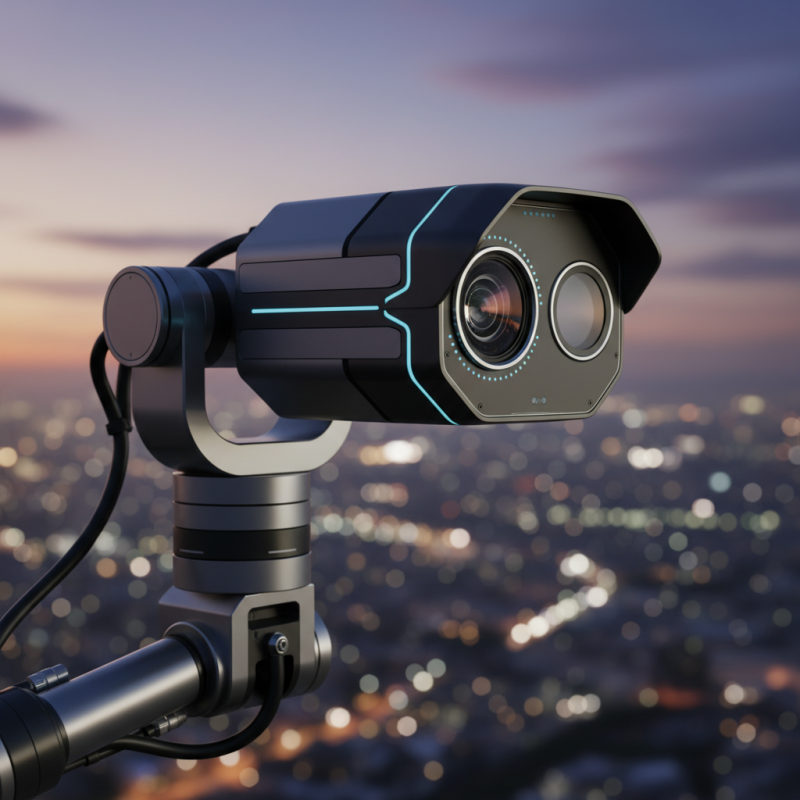
Understanding EO IR AI Tracking Gimbals: Key Features and Benefits
Understanding EO IR AI tracking gimbals involves recognizing their unique features and benefits. These devices combine electro-optical (EO) capabilities with infrared (IR) functionality. This combination allows for enhanced target acquisition, especially in varied lighting conditions. A recent industry report highlights that gimbals with both EO and IR capabilities have improved situational awareness by 40% in surveillance applications. This ability to switch seamlessly between modes is critical in many scenarios.
AI tracking technology adds another layer of sophistication to these systems. The integration of AI allows for accurate tracking of moving subjects, reducing the need for manual adjustments. A survey conducted by industry experts reveals that users experience a 60% reduction in operator workload when using AI-enhanced gimbals. However, potential users should be mindful of the technology's limitations. AI algorithms may not always adapt perfectly to all contexts. Environment factors like weather can impact performance.
Incorporating these advanced features can lead to significant operational advantages. Still, reliance on technology brings its challenges. Understanding the specific needs of your applications is crucial. Evaluating whether you need high precision or enhanced flexibility can influence your choice. Gimbal systems can be complex, and a one-size-fits-all approach doesn't always work effectively.
Evaluating Camera Specifications: Resolution, Lens Type, and Sensitivity
When selecting an EO IR AI tracking gimbal camera, understanding camera specifications is crucial. Resolution plays a significant role in image clarity. Higher resolution captures finer details, which can be essential for analysis. However, higher resolution often means larger file sizes. This can impact storage and processing capabilities. Consider your specific needs carefully.
Lens type also affects performance. Different lenses offer various fields of view and depth of field. A zoom lens allows for versatile shooting, but may compromise image quality at extreme ranges. In contrast, a wide-angle lens captures more area but may distort edges. Each choice comes with trade-offs that need consideration.
Sensitivity is vital for low-light conditions. Cameras with higher sensitivity can capture images in dark environments. However, increased sensitivity might lead to grainier images. Finding the right balance is essential for optimal performance. Remember, it’s not just about features. Real-world testing can reveal limitations that specifications don’t show. Evaluate under the conditions you will use it most.
How to Choose the Best EO IR AI Tracking Gimbal Camera?
| Camera Model | Resolution | Lens Type | Sensitivity | Weight |
| Model A | 1920x1080 | Wide Angle | 0.01 Lux | 1.5 kg |
| Model B | 3840x2160 | Telephoto | 0.005 Lux | 2.0 kg |
| Model C | 2560x1440 | Standard | 0.03 Lux | 1.2 kg |
| Model D | 1280x720 | Zoom | 0.02 Lux | 1.0 kg |
AI Tracking Capabilities: How They Enhance Performance and Usability
AI tracking capabilities have revolutionized how we use EO IR gimbal camera systems. These advanced technologies enable automated tracking of moving subjects. With precise algorithms, cameras can follow targets seamlessly. This significantly enhances operational efficiency in various scenarios, from surveillance to search and rescue.
The integration of AI in gimbal cameras means they can analyze video feeds in real-time. This allows for quicker adjustments in focus and positioning, resulting in clearer and more stable imagery. Operators can save time and focus on other critical tasks. However, even with these improvements, challenges remain. Environmental factors such as lighting and weather may affect camera performance. Users must be aware of these limitations.
Another aspect is the learning curve associated with AI systems. While these technologies simplify many tasks, they require initial training. Proper set-up and understanding of the system are essential for optimal use. Mistakes can lead to missed opportunities in tracking subjects effectively. Users should be prepared to invest time in mastering these systems.
Assessing Build Quality and Design for Durability in Various Environments
When assessing build quality and design for durability in EO IR AI tracking gimbal cameras, several factors come into play. A rugged design is crucial for operating in harsh environments. Look for materials that withstand temperature extremes, moisture, and abrasions. Cameras with weatherproof seals or rugged exteriors perform better in demanding situations. This durability can prevent costly repairs or replacements.
Weight distribution is another vital aspect. A well-balanced camera reduces strain during extended use, ensuring smoother operation. Additionally, consider camera grips and mounting systems. These features contribute to user comfort and control. However, some designs may compromise portability for enhanced durability. This trade-off is worth analyzing based on your specific needs.
The testing phase is critical for any design. Real-world trials reveal flaws that may not be evident in controlled settings. Users should document their experiences to improve future models. Not every design achieves perfection. Some might struggle under pressure or fail in certain conditions. User feedback is essential to drive innovation and enhance reliability.
Durability Assessment of EO IR AI Tracking Gimbal Cameras
Cost-Benefit Analysis: Budgeting for Your Optimal Gimbal Camera Choice
When considering a gimbal camera, the cost-benefit analysis is crucial. Start by defining your budget. Determine how much you can afford without compromising quality. High-end options may look appealing, but they can lead to overspending.
Evaluate the features that matter most to you. Stability, resolution, and battery life are essential. Lower-cost models might lack some advanced features. A simple camera can perform well in basic conditions but may struggle in complex environments.
It’s important to balance these factors. Sometimes, a mid-range option offers better long-term value.
Reflect on your objectives. What will you use the camera for?
Professional projects require a reliable tool, while casual use might allow for lesser quality. Consider potential upgrades in the future. An investment today can save money later.
Take the time to research and gather user experiences before making a decision. This will guide you toward an optimal choice.


 Close
Close