How to Choose the Best CNC Turning Center for Your Needs?
When choosing a CNC Turning Center, many factors come into play. Precision, speed, and versatility are crucial. These machines shape metal and other materials into designed parts. Selecting the right center can significantly impact your production efficiency.
Consider your specific needs. Do you require high precision or faster output? Each project may demand different features. Look at the machine's size and capabilities. You may find that a compact model fits better in your workshop. The price varies greatly depending on features, brand, and specifications.
Don't rush your decision. Research and compare options thoroughly. Speak to experts or read reviews. Each CNC Turning Center has unique strengths and weaknesses. Reflect on what matters most for your projects. Finding the right fit will enhance your workflow and product quality.
Understanding the Basics of CNC Turning Centers
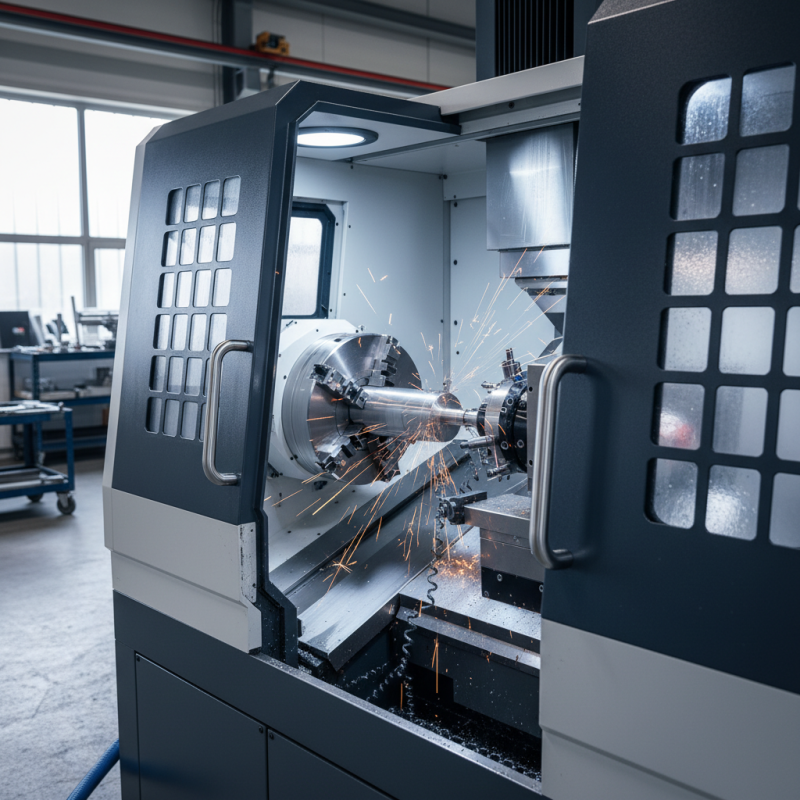
CNC turning centers are essential tools in modern manufacturing. They shape materials like metal and plastic with precision. Understanding their basics can heavily influence your decision-making. A turning center rotates the workpiece against cutting tools. This process creates cylindrical shapes, grooves, and intricate details.
These machines come in various configurations. Some are designed for high-volume production, while others are suited for smaller runs. Factors like spindle speed and tooling capacity matter. It can be overwhelming to choose one that meets your needs. You may find yourself torn between speed and precision.
Maintenance is another crucial aspect to consider. Regular upkeep is needed for optimal performance. Neglecting this can lead to costly repairs. Additionally, user-friendly interfaces can make operations smoother. Not all machines offer this feature. It's vital to evaluate what matters most for your shop.
Evaluate your specific projects, as not every center fits every task. Reflecting on these points can lead to a more informed choice.
Key Features to Consider in a CNC Turning Center
When selecting a CNC turning center, pay attention to critical features. The size of the spindle bore and the distance between centers often determine the kind of parts you can produce. A larger spindle bore allows for more substantial workpieces, while ample distance ensures versatility for longer components. However, it’s vital to balance size with the machine’s footprint to fit your shop layout.
Another significant aspect is the control system. A user-friendly interface enhances productivity. Look for mills with intuitive programming features. They make setup easier, especially for complex tasks. Some systems also offer advanced simulation capabilities, minimizing errors before actual machining. But remember, not all features will suit every shop. Evaluate what is essential for your operations and avoid getting overwhelmed by unnecessary options.
Lastly, consider the machine's rigidity and stability. A poorly constructed turning center can lead to vibrations, affecting the finish quality. If possible, inspect the machine in-person. Productivity can decline without good build quality. It’s essential to reflect on how often you’ll be using the CNC. Consider your workload and choose a machine that adequately meets your needs, ensuring durability for the long term.
Assessing Your Production Needs and Capacity Requirements
When assessing your production needs, focus on the types of materials you'll be working with. Materials can significantly influence the type of CNC turning center required. Different materials have unique properties, affecting cutting speeds and tool requirements. For example, softer materials like plastic demand different techniques compared to metals.
Next, consider the volume of production you anticipate. High-volume production may necessitate a more automated machine. These machines often require a larger initial investment but can pay off over time. On the other hand, if your production is small, a simpler model might suffice. Reflect on your capacity as well. Are you able to operate and maintain advanced machinery? If not, simplicity might be your best friend.
Lastly, don’t overlook the software compatibility. The right software can enhance efficiency. However, complex software may demand more training. Balancing cost, functionality, and user-friendliness is crucial. Each decision has its trade-offs and implications, so take time to evaluate your specific needs. This reflection will guide you toward the best CNC turning center for your operation.
Evaluating the Manufacturer's Reputation and Support Services
When choosing a CNC turning center, evaluating the manufacturer's reputation is crucial. A reliable manufacturer can significantly impact performance. According to a recent industry report, 73% of businesses prioritize vendor reputation when making purchasing decisions. They understand that a trusted manufacturer often correlates with higher product quality and better after-sales support.
Support services offered by manufacturers play a vital role too. Comprehensive training and responsive technical assistance can boost operational efficiency. One study found that companies with robust support systems reported a 25% increase in machine uptime. However, not all manufacturers provide adequate support. Some lack clear communication or timely responses, causing frustration. Research indicates that 40% of users experienced difficulties in getting help when needed.
Recognizing this gap is essential. Investigate feedback from other customers. Reviews can reveal strengths and weaknesses in a manufacturer’s service. Engaging with online forums can also provide insights into common issues faced by users. This information helps in making informed decisions about whom to trust for CNC turning center investments.
Budgeting for CNC Turning Center Purchase and Maintenance Costs
When budgeting for a CNC turning center, it’s crucial to consider not just the purchase price. Maintenance costs can vary widely depending on the model and usage. Regular inspections and parts replacements add to the overall expense. Many overlook these often-hidden costs, leading to budget shortfalls.
Think about initial setup costs as well. There are expenses related to installation and operator training. You might need software or special tools, which can quickly add up. Sometimes, unexpected repairs occur, creating an unplanned financial burden. Calculate these potential costs to avoid future headaches.
It’s also wise to consider the operational efficiency of the machine. An inferior model may save money initially but lead to higher operational costs. Assess how energy-efficient the turning center is. A more efficient model can reduce utility bills significantly. Balancing the upfront cost with long-term savings is essential.



 Close
Close