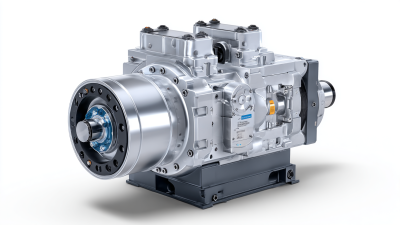
How to Choose a Bi Directional Hydraulic Pump for Your Needs?
Choosing the right Bi Directional Hydraulic Pump is crucial for efficient operations. This decision impacts many industries, from construction to manufacturing. Several factors come into play, including flow rate, pressure, and compatibility with existing systems.
A Bi Directional Hydraulic Pump can help in applications that require fluid movement in both directions. It's vital to assess your specific needs carefully. Consider the environment where the pump will operate. Are there space constraints? Is there a need for portability?
Mistakes in choosing a pump can lead to costly downtime. It's essential to weigh your options and think critically. Ensure the pump can handle the workload without unnecessary strain. Reflect on your past experiences with hydraulic systems. This can offer valuable insights into what works best for your needs.
Understanding the Functionality of Bi-Directional Hydraulic Pumps
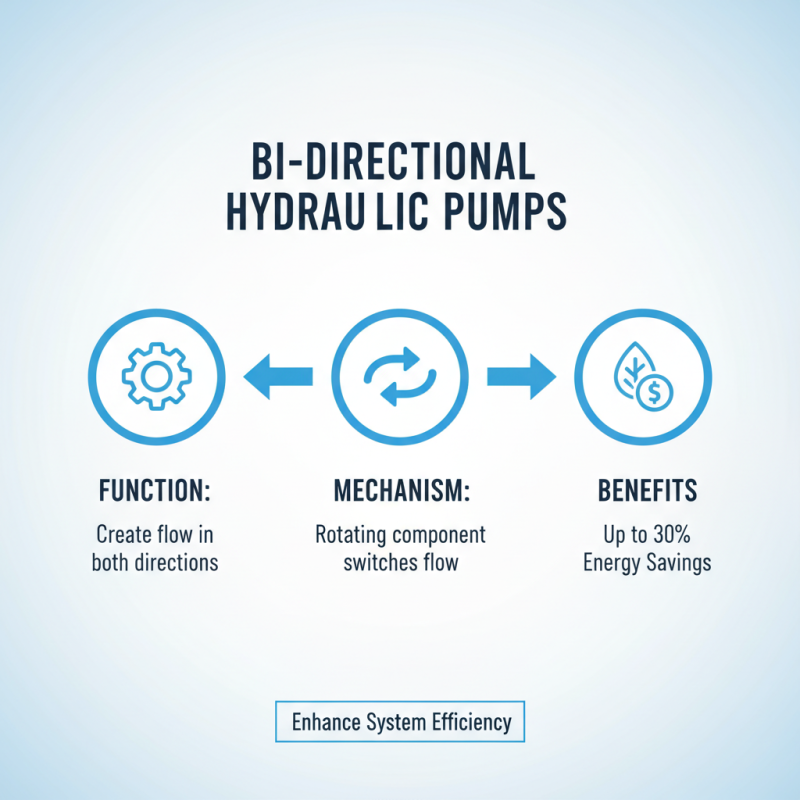
When exploring bi-directional hydraulic pumps, it's essential to grasp how they function. These pumps are designed to create flow in both directions, enhancing system efficiency. They operate by using a rotating mechanism that switches the flow direction. Reports indicate that when properly utilized, bi-directional pumps can save up to 30% in energy costs.
Tips: Always consider the maximum flow rate and pressure. These factors are crucial in matching the pump to your specific needs.
A notable detail is the potential for cavitation, which can harm pump performance. Monitoring fluid levels and ensuring proper installation can prevent this issue. An industry report highlighted that over 25% of hydraulic pump failures are due to cavitation-related damage.
Tips: Regular maintenance is key. Check for leaks and ensure seals are intact. A good maintenance schedule helps avoid costly repairs.
Identifying Your Specific Hydraulic System Requirements
When identifying your specific hydraulic system requirements, consider the flow rate, pressure, and application.
For instance, a construction project may demand high flow rates, while manufacturing processes could prioritize pressure consistency.
Industry reports indicate that over 70% of hydraulic system failures stem from improperly sized pumps.
Tips: Determine the maximum and minimum pressure your system will start with. This helps in selecting a pump that suits your operational needs.
Evaluate the environment too. Will the pump face extreme temperatures or contaminants?
These factors influence pump material and design.
Statistics show that systems using inappropriate materials can experience up to 50% more wear.
Tips: Always choose a pump rated for slightly higher than your maximum expected load. This provides a margin that can help with unforeseen system demands.
Remember, balancing efficiency and power is key.
Evaluating Pump Specifications: Flow Rate and Pressure
When selecting a bi-directional hydraulic pump, understanding flow rate and pressure is vital. Flow rate determines how much fluid can move through the system. It's usually measured in gallons per minute or liters per minute. If the flow rate is too low, the system may not perform effectively. Conversely, an excessively high flow rate can lead to energy losses and potential damage.
Pressure is equally important. The pump's maximum pressure rating indicates how much force it can generate. Insufficient pressure can hinder operation, while too much can stress components. Consider the specific applications where the pump will be used. Often, real-world scenarios dictate varying conditions that may not align perfectly with theoretical expectations.
Pumps often perform well on paper but may reveal flaws in practice. Always evaluate performance in your actual working environment. Testing and adjustments are crucial. A pump might seem ideal but could underdeliver in specific situations. Pay attention to those frustrating discrepancies. They could lead to larger issues if overlooked.
How to Choose a Bi Directional Hydraulic Pump for Your Needs? - Evaluating Pump Specifications: Flow Rate and Pressure
| Pump Model |
Flow Rate (L/min) |
Pressure (bar) |
Motor Power (kW) |
Weight (kg) |
| Model A |
25 |
210 |
5.5 |
45 |
| Model B |
40 |
190 |
7.5 |
60 |
| Model C |
30 |
250 |
11 |
75 |
| Model D |
50 |
180 |
15 |
80 |
Comparing Different Bi-Directional Hydraulic Pump Types
When considering bi-directional hydraulic pumps, understanding their types is essential. There are gear pumps, vane pumps, and screw pumps. Each type serves different applications. Gear pumps are common for their simplicity and efficiency. They handle high-pressure scenarios well but are less flexible in flow adjustments. Vane pumps offer smooth operation and variable flow rates, making them suitable for diverse needs. Screw pumps excel in continuous flow situations, often found in industrial applications.
Data from industry reports reveal that the demand for bi-directional hydraulic pumps has grown by 7% annually. This rise indicates their importance in various sectors. Equipment manufacturers often request these pumps for optimal performance. However, users must be cautious. Not all pumps perform equally under varying conditions. In some cases, mismatched specifications lead to inefficiencies or equipment failure.
Selecting the right type involves careful consideration. Factors such as flow rate, pressure capacity, and fluid type matter greatly. A wrong choice can result in costly repairs or downtime. Reflecting on past experiences can guide future decisions. Look for pumps that align with specific operational needs and testing standards. Understanding these aspects can enhance system reliability and efficiency.
Tips for Sourcing and Selecting a Reliable Supplier
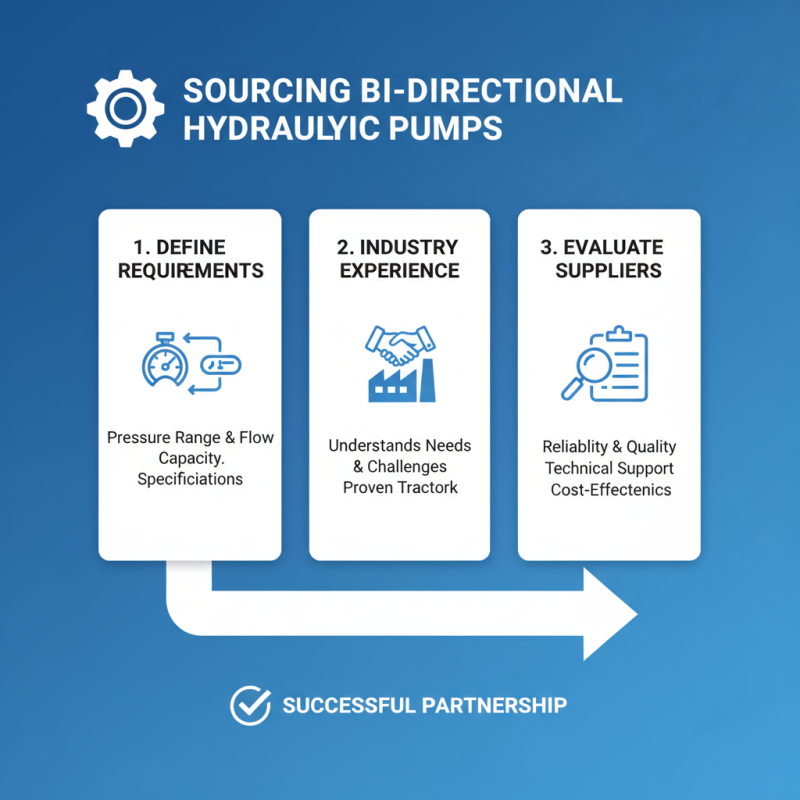
When sourcing a reliable supplier for bi-directional hydraulic pumps, clarity is key. Start by defining your specific requirements. Consider the pump's specifications, such as pressure range and flow capacity. This helps narrow down potential suppliers. A supplier's experience in your industry is also crucial. They should understand your unique needs and challenges.
Research potential suppliers through online reviews and industry forums. Direct feedback can reveal strengths and weaknesses. Asking for customer references can provide insights into the supplier’s reliability. Additionally, evaluate their production capability and quality control processes. An effective supplier shows certifications and meets industry standards.
Communication is often overlooked but essential. Engaging with suppliers during the selection process can highlight their responsiveness. Ask questions and observe how quickly they provide answers. If they are slow to respond, it could signal potential issues down the road. Finally, consider the flexibility of the supplier in addressing any unforeseen challenges. A good relationship with a supplier is based on trust and transparency, so take your time to reflect on these aspects.



 Close
Close