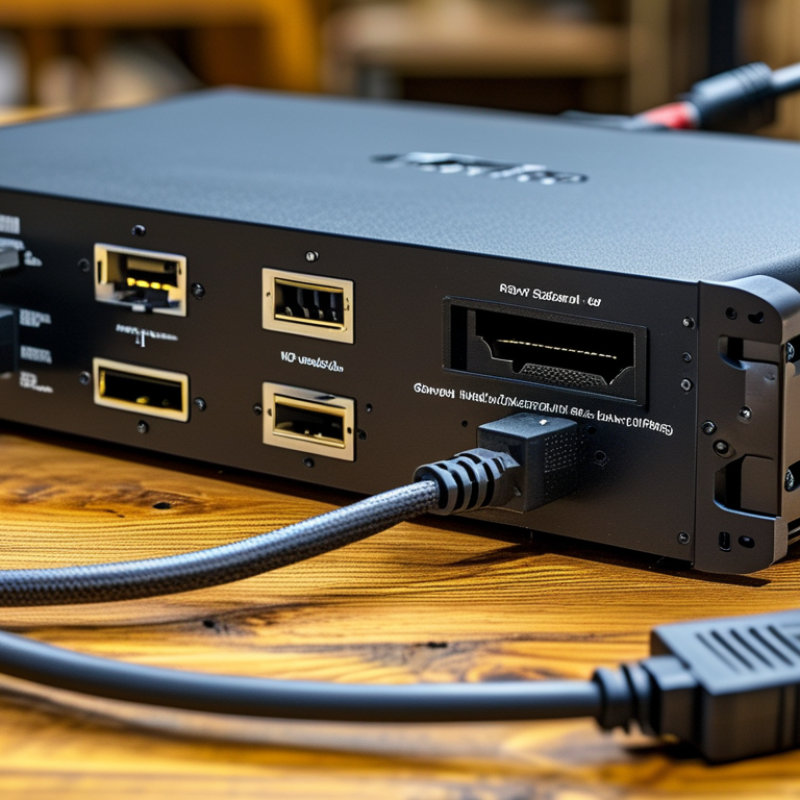
A 60m HDMI extender sends high-definition video and audio beyond the normal reach of a short HDMI cable. It usually uses a transmitter, a receiver, and one Cat cable between them.
The transmitter connects to the video source, while the receiver sits near the display. Not a longer HDMI cable. It is an active signal system.
The extender may support 4K video, but the exact performance depends on resolution, refresh rate, color depth, and cable quality. Distance is only one part. A 60m rating is not always a promise of perfect results in every building.
Electrical interference, tight cable bends, and poor connectors can reduce stability. In real installations, image dropouts often appear when the specification looks correct but the cable path is overlooked.
Check support for HDCP, EDID, audio formats, and the required refresh rate before purchasing.
Some extenders handle video well but pass limited audio formats. Do not assume. For a meeting room, stable switching and low latency may matter more than maximum resolution.
For digital signage, continuous operation and heat control deserve closer attention. Wall thickness and nearby power cables can also affect installation quality.
I would test the complete setup before fixing cables permanently. That small step can expose compatibility problems early.
Global buyers should confirm power requirements, connector types, and local service arrangements. A replacement adapter may be difficult to obtain overseas.
The honest limitation is simple: no extender can repair a weak source signal or damaged cable.



 Close
Close