2026 How to Choose the Right Absorption Heat Exchanger?
Choosing the right Absorption Heat Exchanger (AHE) is crucial in various industries. AHEs play a significant role in energy efficiency and sustainability. According to the U.S. Department of Energy, implementing effective heat exchangers can enhance energy efficiency by up to 30%. This underscores the importance of careful selection.
Industry trends show that the market for Absorption Heat Exchangers is projected to grow at a CAGR of 6.4% from 2021 to 2026. This highlights the increasing demand for efficient thermal management solutions. Companies must consider factors such as capacity, material, and application when selecting an AHE. The right choice can lead to significant cost savings and improved operational performance.
However, the selection process can be complex. Misjudging requirements or overlooking maintenance needs may lead to suboptimal performance. Therefore, understanding specific workflows and consulting with experts is beneficial. This approach helps reduce uncertainties and aligns with best practices in the industry. Ultimately, making informed decisions ensures the longevity and efficiency of Absorption Heat Exchangers.
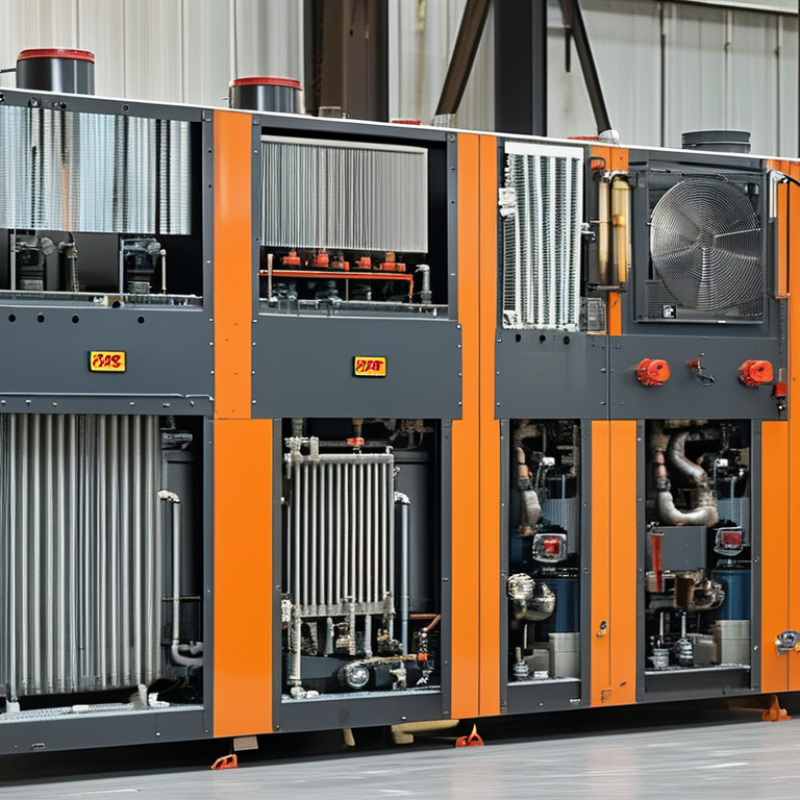
Understanding Absorption Heat Exchangers and Their Applications
Absorption heat exchangers play a vital role in various industrial applications. They efficiently transfer heat, mainly using a refrigerant and absorbent. These systems are ideal for processes needing significant energy conservation. For instance, they are prevalent in HVAC systems for heating or cooling. Understanding these applications helps in selecting the right system for your needs.
Choosing the right absorption heat exchanger requires an analysis of several factors. Consider the specific heat transfer goals of your operation. Is maintaining a consistent temperature crucial? Or is rapid heat transfer your primary concern? Each scenario may point to different designs or configurations. Efficiency ratings often vary. Research indicates that not all units perform as expected. Evaluating real-world performance versus manufacturers' claims is essential.
Application environments also impact selection. Some settings might involve corrosive substances. In these cases, robust materials are a must. Temperature variations can affect performance too. Designs need to accommodate these changes to enhance reliability. Failing to consider these factors may lead to costly inefficiencies. Regular assessments of system performance can help identify when upgrades are necessary.
2026 How to Choose the Right Absorption Heat Exchanger? | Parameter | Description | Considerations | Applications |
| Heat Transfer Area | Total surface area available for heat transfer | Larger area necessary for high capacity systems | District heating, industrial processes |
| Operating Temperature | Temperature range during operation | High temperatures can affect materials | Heat recovery, CHP systems |
| Pressure Drop | Loss of pressure as fluid passes through | Minimize pressure drop for efficiency | Boiler feedwater heaters, cooling systems |
| Material Compatibility | Suitability of materials used against fluids | Corrosion resistance is critical | Chemical and petrochemical industries |
| Maintenance Requirements | Level of maintenance needed for optimal operation | Easier maintenance reduces downtime | HVAC systems, refrigeration |
Key Factors to Consider When Selecting an Absorption Heat Exchanger
When selecting an absorption heat exchanger, several key factors warrant careful consideration. The working fluid's properties play a crucial role. Specific heat and thermal conductivity influence efficiency significantly. According to the ASHRAE Handbook, the right fluid can improve energy transfer, potentially increasing system performance by up to 30%.
The design configuration is another vital element. Each application has specific requirements that influence size, shape, and materials. A study from the International Institute of Refrigeration indicated that optimal material selection enhances durability and reduces maintenance costs by approximately 15%. However, the trade-off between initial investment and long-term savings should be evaluated.
Installation requirements differ significantly across applications, affecting operational efficiency. Many users overlook space and access during installation. This oversight can lead to suboptimal performance and increased operational costs. Review case studies published by industry experts to understand these nuances better. Adjusting for varying operating conditions can also improve reliability and efficiency, but it requires careful planning and a deep understanding of system dynamics.
Comparing Different Types of Absorption Heat Exchangers
Choosing the right absorption heat exchanger requires careful consideration. Various designs serve different needs. Shell-and-tube heat exchangers are widely used for their reliability. They handle high pressures well. However, they might not be the best for all applications.
Plate heat exchangers offer a compact design. They provide efficient heat transfer through their large surface area. These exchangers can be less forgiving when it comes to fouling. Some may find cleaning them to be a tedious task. Air-cooled options reduce water usage but may struggle in high ambient temperatures.
In both cases, evaluating efficiency and maintenance is crucial. Design and material choices can affect long-term reliability. The performance of a heat exchanger can vary greatly based on installation and operational conditions. Reflecting on these elements can lead to better decision-making. Always consider your specific needs and constraints when choosing an absorption heat exchanger.
Evaluating Efficiency and Performance Metrics for Selection
When selecting an absorption heat exchanger, understanding performance metrics is crucial. Efficiency is often measured by the coefficient of performance (COP). A higher COP indicates a more effective heat transfer process. It's essential to compare the COP values across different models. However, this number does not tell the whole story. Context matters. The specific conditions in which the heat exchanger will operate significantly impact its effectiveness.
In addition, look at the pressure drop across the unit. A high-pressure drop can lead to inefficiencies and result in increased energy consumption. Assess the materials used in construction as well. Durability affects the lifespan of the exchanger. Costlier materials may perform better but assess their value in your application. Remember, different applications call for different requirements. Not every high-performance model suits every situation.
Consider the operational environment. Temperature and fluid properties play a role in selection. Performance should not be the only focus. Maintenance requirements must also be evaluated. A model that's difficult to maintain can lead to operational issues. Finding a balance between efficiency, reliability, and ease of maintenance is essential. This selection process requires careful thought and often a willingness to revisit initial assumptions.
Future Trends in Absorption Heat Exchanger Technology and Design
Future trends in absorption heat exchanger technology and design are rapidly evolving. The focus is shifting towards enhancing energy efficiency and minimizing environmental impact. Many new materials are emerging, promising improved thermal conductivity and durability. These materials can significantly reduce the weight and cost of heat exchangers.
Innovations in design are also notable. Modular designs are gaining popularity, allowing for easy scaling and customization. This flexibility can cater to specific industrial needs, improving overall effectiveness. Enhanced digital monitoring systems provide real-time data. They help optimize performance and maintenance schedules, thereby extending the life of the equipment.
Tips: Consider the type of application when choosing materials. Ensure they meet required performance criteria. Look for suppliers that offer comprehensive testing data. This can be crucial for long-term reliability. Don't overlook the importance of regular maintenance. Even the best design needs care to function optimally. Making informed choices today can lead to efficiency gains tomorrow.


 Close
Close