How to Choose the Best Rubber Screen Panels for Your Business?
Choosing the right Rubber Screen Panels is crucial for your business's success. These panels play a vital role in various industries, from construction to waste management. Quality rubber panels can enhance efficiency and reduce downtime. However, with many options available, selecting the right one can be challenging.
Consider the specific needs of your operation. Are you working with dry materials or wet ones? The type of rubber screen panel matters. Look for panels that offer durability and flexibility. Performance should never be overlooked. Assess the materials used in the panels to ensure they meet industry standards.
It’s important to recognize that not every rubber screen panel is created equal. Sometimes, the cheaper option can lead to greater expenses later. Investigate the manufacturer's reputation. Customer reviews and industry feedback can provide insight into the reliability of the panels. Ultimately, a well-informed choice will benefit your business in the long run.
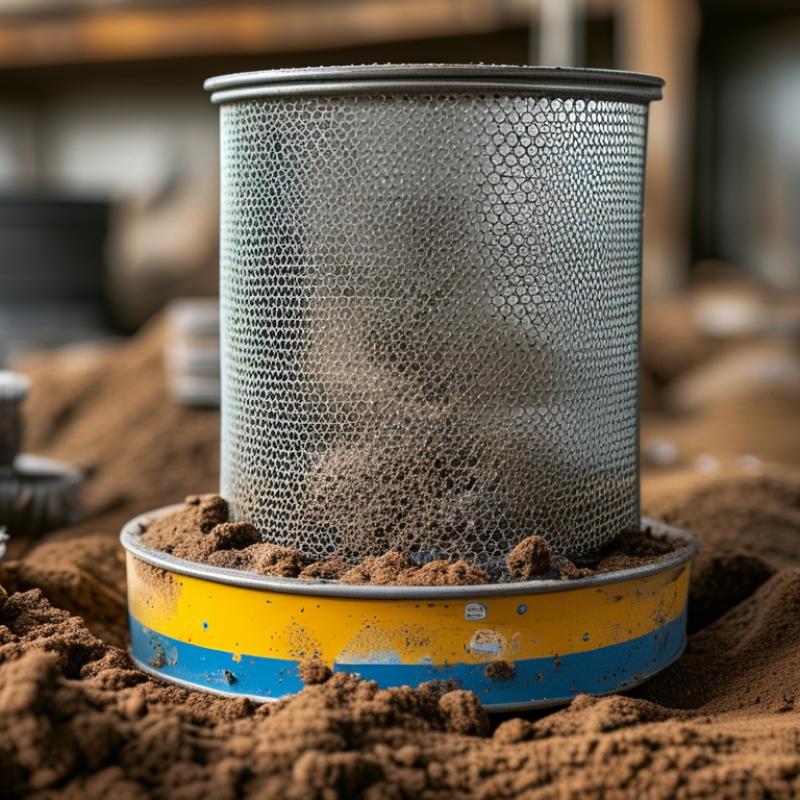
Factors to Consider When Selecting Rubber Screen Panels for Operations
Choosing the right rubber screen panels for your operations is critical for efficiency and durability. When selecting these panels, consider the specific material characteristics, such as abrasion resistance and tensile strength. According to industry reports, materials like natural rubber, which has a high elasticity, often outperform synthetic options in various applications. This resilience can lead to lower maintenance costs over time.
Another important factor is the panel size and mesh configuration. The right size impacts the flow rate and screening efficiency. Research indicates that using panels tailored to the particle size you process can enhance separation rates by up to 20%. It's essential to reflect on your operational needs and select dimensions that align with your machinery and workflow.
Lastly, think about the working environment. Factors like temperature and exposure to chemicals can affect the lifespan of rubber panels. For example, panels used in mining operations may face harsher conditions than those in industrial recycling. Being aware of these details will help you make better choices. Evaluating your unique circumstances will lead to more efficient operations and minimize unexpected downtime.
Rubber Screen Panels Selection Factors
Understanding Material Composition and Durability in Rubber Screen Panels
When selecting rubber screen panels, material composition plays a critical role. Natural rubber offers excellent elasticity and durability. Synthetic rubber, however, can provide better resistance to oil and chemicals. It's essential to understand these properties when choosing panels for specific applications. Some businesses may prefer a blend of both types for optimal performance.
Durability is another key factor. Over time, screens are exposed to harsh conditions, including UV light and temperature fluctuations. A panel that withstands these elements will reduce replacement costs. Regular maintenance can also extend the lifespan of rubber screens. It's crucial to keep an eye on wear and tear. Small cracks or discoloration could signal impending failure.
Different applications require different features. For instance, the mining industry might need panels with high abrasion resistance. On the other hand, food processing may require compliant materials. Always verify specifications that meet your facility's standards. Some decisions may seem straightforward but could lead to costly mistakes. Reflecting on past choices can guide future selections. This awareness enhances both your operational efficiency and overall safety.
The Role of Mesh Size and Open Area in Screening Efficiency
Choosing the right rubber screen panels is crucial for screening efficiency. Key factors include mesh size and open area. Mesh size determines the particle size that passes through. A finer mesh size filters smaller particles, while a coarser mesh allows larger ones. According to industry reports, optimizing mesh size can improve material recovery rates by up to 25%.
Open area is equally important. It reflects the percentage of the panel that is open for material passage. Higher open area percentages can enhance flow rates, leading to better throughput. Studies show that panels with open areas over 30% often result in more efficient screening operations. Balancing mesh size and open area is essential for maximizing performance.
However, choosing the right combination can be challenging. Misjudging either factor can lead to decreased efficiency and higher operational costs. It’s vital to analyze specific material types and operational needs. Testing different configurations can yield better insights. The right rubber screen panel configuration is not one-size-fits-all. Regular assessment is necessary to adapt to changing demands.
Evaluating Cost-Effectiveness and Longevity of Rubber Screen Panels
When selecting rubber screen panels, cost-effectiveness and longevity are critical factors. Rubber panels should be resilient to wear and tear. High-quality materials often lead to better durability, resulting in lower replacement costs over time. Consider the thickness and hardness of the rubber. Thicker panels may offer more durability but could increase initial expenses. Evaluating your budget here is essential.
Longevity also depends on the operating conditions. Exposure to harsh chemicals or extreme temperatures can shorten the lifespan of rubber panels. Understand your environment before making a decision. It's important to assess the specific requirements of your industry. For instance, different sectors may demand varying resistance levels.
Regular maintenance is another aspect to think about. While rubber panels may be tough, neglecting upkeep can diminish their performance.
Balancing cost and durability can be challenging. Investing in more expensive panels might seem daunting initially, but it could save you money long-term. Conversely, cheaper options might lure you in, but frequent replacements could negate any short-term savings. Examine all these elements carefully. Making informed decisions ensures you choose rubber screen panels that meet both performance requirements and fiscal responsibility.
Comparative Analysis of Rubber Screen Panels vs. Traditional Screening Methods
Rubber screen panels are becoming a popular choice for many businesses. They offer several advantages over traditional screening methods. One key benefit is durability. Rubber panels are resistant to wear and tear. This can lead to lower maintenance costs over time. In contrast, traditional methods, like metal screens, can easily corrode or degrade. They often require frequent replacements, which can increase operational costs.
Another area to consider is flexibility. Rubber screen panels can efficiently handle various materials. They adapt well to different shapes and sizes. This characteristic distinguishes them from traditional screens, which are often rigid. However, it is crucial to assess the specific needs of your business. For certain applications, traditional methods may still hold an edge. They can provide greater clarity and precision in specific scenarios.
While rubber panels have their strengths, limitations exist. They may not perform as well under extreme temperatures compared to metal screens. Businesses must carefully weigh these factors when choosing screening solutions. It’s essential to analyze the unique requirements of your operations. In doing so, you'll make an informed decision that aligns with your business goals.
How to Choose the Best Rubber Screen Panels for Your Business? - Comparative Analysis of Rubber Screen Panels vs. Traditional Screening Methods
| Criteria | Rubber Screen Panels | Traditional Screening Methods |
| Durability | High | Medium |
| Operational Cost | Lower | Higher |
| Maintenance | Easy | Difficult |
| Flexibility | Very High | Limited |
| Weight | Lightweight | Heavy |
| Installation | Quick and Easy | Time-Consuming |



 Close
Close