2026 How to Choose the Best Double Ended Dowel Pin for Your Needs?
Choosing the right hardware for your projects can be daunting. Among many options, the Double-Ended Dowel Pin stands out for its versatility. This piece of hardware provides precise alignment in woodworking and metalworking applications.
When selecting a Double-Ended Dowel Pin, consider your project's specific needs. Not all pins are created equal; they vary in length, diameter, and material. Each type serves different purposes, which can affect the final outcome.
Understanding these factors will guide your decision. You may find yourself overwhelmed by choices. Assessing the quality and fit is crucial. Every project demands attention to detail. Taking the time to choose the right pin can enhance durability and strength. This choice can make or break your work.
Understanding the Basics of Double Ended Dowel Pins
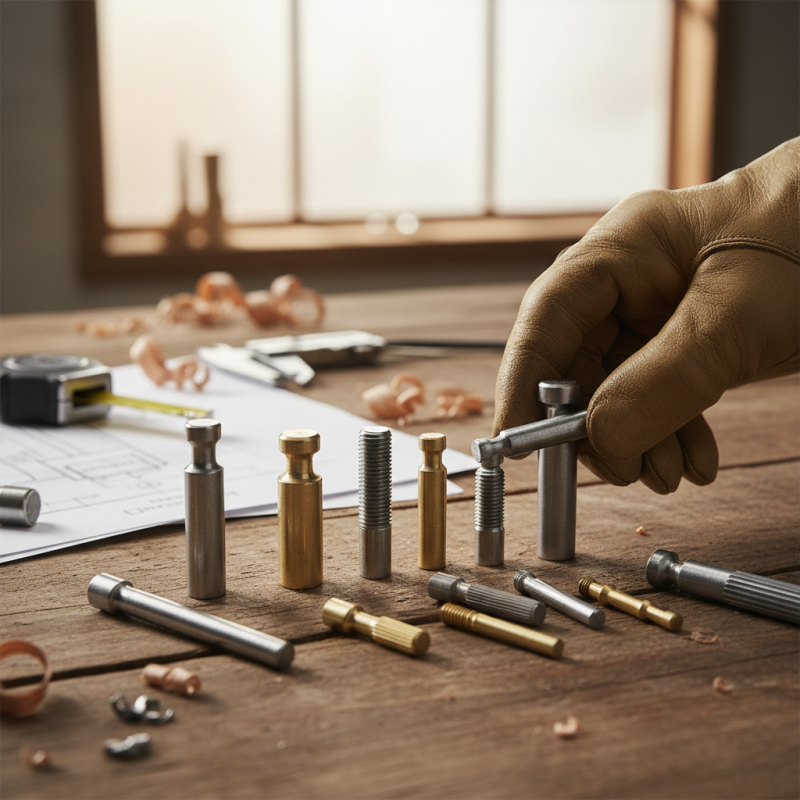
Double ended dowel pins are versatile fasteners used in various applications. They feature a cylindrical shape with grooves and are threaded on both ends. Understanding their construction and function is vital for effective use. They provide stability and alignment in woodworking, furniture assembly, and machinery. Each pin is designed for specific loads and conditions, so ensuring compatibility with your project is crucial.
Tips: When choosing dowel pins, consider the material strength. Wood dowels are excellent for lighter tasks, while metal pins support heavier loads. The diameter and length also impact performance. Always match these specifications to your project requirements.
Inspect the manufacturing quality too. Pins should have a smooth finish and proper dimensions. Irregularities can affect fit and durability. Remember, using the wrong pin can lead to structural failures—a costly mistake. Ultimately, the right dowel pin builds strong, lasting connections.
Types of Double Ended Dowel Pins and Their Applications
Double ended dowel pins are vital in various applications. Understanding their types helps in selecting the right one. There are primarily two types: cylindrical and tapered.
Cylindrical dowel pins offer a consistent diameter. They are easy to install and provide strong alignment in woodworking or machinery. Tapered dowel pins, on the other hand, allow for tighter fits. They are particularly useful when adjustments are needed. Each pin has its unique advantages, and the choice often depends on project requirements.
Applications vary widely. For furniture assembly, cylindrical pins stabilize joints. In automotive or machinery, tapered pins fit snugly in assemblies. However, using the wrong type can lead to issues like misalignment or structural weakness.
Always consider the specific demands of your project before choosing. Reflecting on past projects can provide insights for future selections.
Factors to Consider When Choosing Double Ended Dowel Pins
Choosing the right double ended dowel pin involves several critical factors. First, consider the materials used in their construction. Different materials offer varied levels of strength, corrosion resistance, and durability. For example, steel pins provide strength but may rust without a proper coating. Stainless steel options resist corrosion but can be pricier.
Next, think about the size and dimensions. The length, diameter, and overall fit must match your project specifications. If the pins are too short, they won’t hold effectively. If they’re too long, they may create structural issues. Always measure your components carefully before making a selection.
**Tips:** Examine the application environment. If humidity or harsh chemicals are present, opt for corrosion-resistant options. Additionally, consider how often the pins will be removed. Frequent adjustments may require pins that are easier to manipulate.
Finally, evaluate the load capacity. Knowing the forces the dowel pins will endure is essential. Selecting pins that are not rated for your project's demands may lead to failure. Don't rush this decision; reflect on past projects. What worked before? What didn’t? This insight can guide your choice effectively.
Factors to Consider When Choosing Double Ended Dowel Pins
Materials and Durability: Finding the Right Option for Your Project
Choosing the right materials for double-ended dowel pins can significantly impact your project's success. Common options include stainless steel, plastic, and brass. Stainless steel is known for its strength and corrosion resistance. However, its weight might not be suitable for every application. Plastic dowel pins are lightweight and resistant to moisture but can lack the necessary rigidity for heavy-duty use. Brass offers excellent durability but can be more expensive.
Durability is a crucial factor when selecting dowel pins. You’ll want to consider the environment where the pins will be used. For outdoor projects, corrosion-resistant materials are essential. Indoors, the wear and tear from various factors like temperature changes also come into play. Think about the longevity you need. A pin that works fine today may not hold up under stress later.
Finding the right option requires careful consideration. Don’t rush this decision. Reflect on the requirements of your project. Are you prioritizing cost, strength, or aesthetics? Each choice carries its trade-offs. A cheaper option may save you money upfront but could lead to future repairs. Balancing these factors will lead to a more satisfying outcome in your work.
Recommendations for Sourcing High-Quality Double Ended Dowel Pins
When sourcing high-quality double ended dowel pins, there are a few essential factors to consider. The material is crucial. Look for pins made from durable metal or high-quality plastic. This ensures longevity and reliability. Examine the finish too. A smooth, corrosion-resistant finish can prevent wear over time.
Tips: Always check the diameter and length specifications. Measure your project precisely to avoid frustration later. A mismatched size can lead to instability in joints. Initially, you might purchase various sizes to test which fits best.
Another factor is sourcing from reputable suppliers. Research and read reviews about manufacturers. Established suppliers often adhere to strict quality standards. Look for those who provide detailed product descriptions and certifications. Some suppliers offer sample products. Testing samples allows you to assess quality before committing to a larger purchase.
Tips: Pay attention to packaging. A well-packaged product indicates professionalism and care. Avoid suppliers with vague return policies. You need options if the product doesn’t meet your expectations. Being cautious during sourcing saves time and enhances project quality.
2026 How to Choose the Best Double Ended Dowel Pin for Your Needs?
| Diameter (mm) | Length (mm) | Material | Surface Finish | Load Capacity (kg) | Applications |
| 6 | 30 | Steel | Zinc Plated | 200 | Furniture Assembly |
| 8 | 40 | Stainless Steel | Polished | 300 | Cabinet Making |
| 10 | 50 | Brass | Anodized | 400 | Architectural Applications |
| 12 | 60 | Aluminum | Powder Coated | 500 | Industrial Machinery |
| 14 | 80 | Plastic | Textured | 150 | Sports Equipment |



 Close
Close