How to Choose the Best Beer Brewhouse for Your Business?
The craft beer industry continues to thrive, with a report by the Brewers Association indicating a growth of over 4% in sales volume in 2021. This surge highlights the increasing demand for unique flavors and experiences in the realm of beer. Selecting the best Beer Brewhouse is crucial for businesses aiming to capitalize on this trend. A good brewhouse can provide quality ingredients and state-of-the-art brewing technology, which are essential for producing standout products.
Understanding the nuances of beer production is vital. The right Beer Brewhouse should have a proven track record of reliability and quality. Craft breweries often face challenges like ingredient sourcing and equipment reliability. These factors directly influence the brewing process and end-product quality. Entrepreneurs must conduct thorough research and visit potential brewhouses to ensure they meet specific operational needs.
In a competitive market, not all brewhouses are created equal. Some may offer lower costs but lack vital expertise. Others might excel in quality but pose risks due to high overheads. Careful consideration of these variables will help in making an informed decision. Ultimately, the best choice will create a strong foundation for any craft beer business.
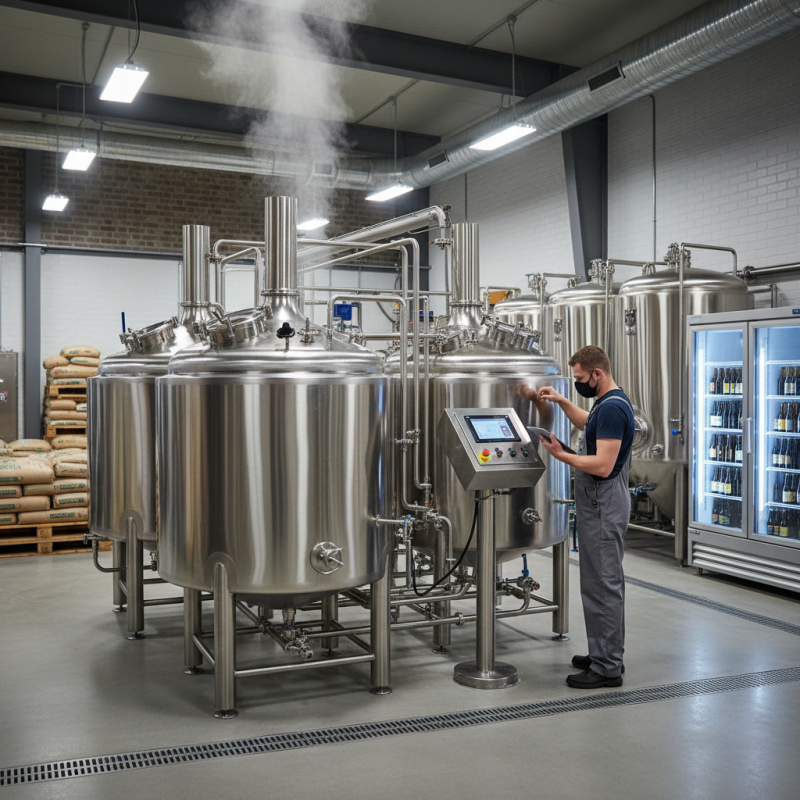
Identifying Your Business Needs and Objectives for a Brewhouse
When selecting a brewhouse for your business, it’s essential to clarify your needs. Begin by assessing your target audience. What styles of beer do they prefer? Consider demographics such as age and location. This knowledge helps tailor your brewing process. Recognize what equipment is necessary for your desired beer style. A quality system can make a difference but may require a significant investment.
Think about your production scale and business goals. Are you aiming for small-batch artisanal brews or larger-scale operations? Each approach demands different resources. Staffing is another critical aspect. Knowledgeable staff can enhance your brewhouse’s reputation. Yet, hiring and training can be time-consuming.
Lastly, budget constraints often dictate choices. Invest wisely in essential equipment. Avoid overspending on flashy items that do not align with your market needs. Remember, it’s okay to start small and expand later. Review your choices regularly. Reflecting on missteps can lead to better decisions in the future. Focus on strategic growth driven by your business goals.
Researching Local Market Trends and Consumer Preferences in Craft Beer
Understanding local market trends is crucial when selecting a brewhouse. Start by exploring the beer preferences of your community. Visit local bars and restaurants to see which craft beers are popular. Engage with patrons to gather their thoughts on flavors, aromas, and styles. This direct feedback is invaluable; it provides a real-time pulse on consumer desires.
Pay attention to seasonal trends as well. Craft beer often aligns with local events or holiday celebrations. For example, a summer lager may perform better during warm months. Conversely, hearty stouts can gain popularity in colder seasons. Understanding these shifts can guide your brewing schedule and marketing strategies.
Also, consider the competitive landscape. Analyze nearby brewhouses and their offerings. Identify gaps in the market that you can fill. Perhaps there's a niche for gluten-free or vegan options. Reflect on what makes your vision distinct. While trends are essential, staying true to your brewing passion often resonates with consumers. Engaging your community while refining your unique style can lead to long-term success.
Consumer Preferences for Craft Beer Types
This chart displays the percentage of consumer preferences for various types of craft beer. As figured, IPAs lead the choices among consumers, reflecting the current market trend in craft brewing. Stouts and lagers follow, indicating a diverse interest in different flavor profiles.
Evaluating Key Features and Equipment of Potential Brewhouse Locations
Choosing the right brewhouse for your business is crucial. Evaluating potential locations involves assessing key features and equipment. Look for spaces that provide ample room for brewing, storage, and customer engagement. Also, consider the proximity to suppliers and target markets.
Infrastructure matters. Check if the location has the necessary utilities like water, electricity, and drainage. An efficient layout promotes production flow and enhances staff productivity. Ventilation systems can prevent excess heat and odors, creating a pleasant customer experience.
Tip: Assess the condition of existing brewing equipment. Older machines may require significant repairs, impacting your budget.
Evaluate licensing requirements and local regulations. Compliance is essential for operating. A site with previous brewing history might ease the regulatory process. Yet, a new space allows for personalized branding.
Tip: Create a list of essential features versus nice-to-haves. This can help in prioritizing what truly matters for your brewhouse.
Remember to reflect on your vision for the space. A well-chosen brewhouse can shape your brand and customer experience. Avoid rushing the decision; take your time to find the perfect fit.
Assessing the Reputation and Experience of Brewhouse Suppliers
When selecting a beer brewhouse, evaluating the reputation and experience of suppliers is crucial. Industry data shows that 62% of successful brewhouse owners emphasize supplier relationships as a key factor in their growth. A reputable supplier often has years of expertise, reflected in their understanding of brewing processes and customer needs.
Delve into online reviews and ratings. These insights can reveal a supplier's reliability. A 2022 report from the Craft Brewers Association found that over 70% of brewers prioritize suppliers with a strong track record in customer service. It’s essential to seek out testimonials from other breweries. Direct feedback provides a clearer picture of what to expect.
Consider the supplier’s history in the industry. An experienced partner is likely to offer innovative solutions and quality products. However, be cautious. Not all established suppliers maintain high standards. Reflect on your specific needs and assess how well potential partners align with them. Regularly revisit these evaluations; an initially great supplier may change. Stay informed and make adjustments as necessary to ensure ongoing success.
Understanding Regulatory Requirements and Licensing for Breweries
When considering a brewhouse, understanding regulatory requirements is crucial. Each region has specific laws on brewing operations. These laws often dictate the size and type of brewery you can start. Familiarize yourself with local zoning laws and required permits. This is essential for a smooth launch.
Licensing is another significant factor. Breweries must obtain various licenses, including federal and state ones. The Alcohol and Tobacco Tax and Trade Bureau (TTB) governs federal licensing. But state regulations may vary greatly. Research these local demands before making decisions. Ignoring these can lead to costly setbacks.
Meeting health and safety standards is equally important. Local health departments will inspect your facility. Proper sanitation practices must be in place. Failing to meet safety requirements can hinder your operations. Being diligent in these areas reflects your professionalism. You must be prepared for potential challenges too. The licensing process can be slow and complicated. Be ready to navigate these complications carefully. Patience and thorough research will serve you well.



 Close
Close