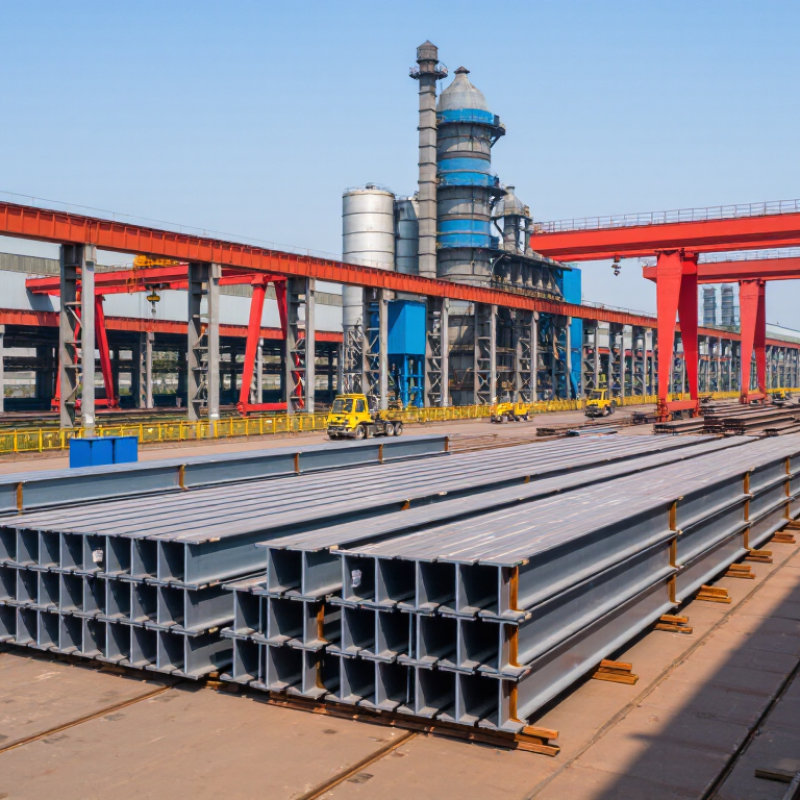
Choosing a universal beam supplier starts with evidence, not a polished catalog. China produced 1,019.1 million tonnes of crude steel in 2023, according to World Steel Association’s World Steel in Figures 2024. Large output does not guarantee consistent beams. Ask for mill test certificates, heat numbers, chemical analysis, and mechanical results for the exact batch. Check whether the supplier follows EN 10365 dimensions and EN 10025 steel-grade requirements.
Request recent inspection records, not only sample documents. Verify flange width, web thickness, straightness, corner radius, and surface condition with an independent inspector. A practical trial order can reveal packing quality, labeling accuracy, and delivery discipline. It may cost more initially. That cost can prevent expensive rework.
Compare suppliers using landed cost, not unit price. Include cutting, export packing, inspection, port handling, and inland transport. The World Steel Association forecast global steel demand at about 1.75 billion tonnes in 2024, showing a huge and competitive market. Competition helps buyers, but it also creates confusing offers. Require a clear production schedule and written tolerance commitments. Confirm whether replacement procedures cover damaged or nonconforming beams. Inspect the supplier’s factory when possible. I would not rely on photographs alone. One overlooked detail, such as mixed heat numbers, can weaken traceability during installation. Evaluate communication, technical responses, and document accuracy before signing a long-term contract.



 Close
Close