China FBA Inspection Tips for Global Buyers in 2026?
As globalization continues to expand, China's role as a manufacturing hub remains significant. Global buyers often turn to China for reliable products. However, navigating the complexities of China Fba Inspection can be daunting. Buyers must ensure compliance with quality standards to avoid costly setbacks.
China FBA inspection involves various processes, including product checks and documentation review. Understanding these processes is crucial. Buyers should prepare for potential challenges, such as miscommunication or non-compliant goods. A lack of attention to detail can lead to rejected shipments. This underscores the importance of thorough inspection.
Buyers can benefit from building relationships with reputable inspection companies. Choosing the right partner enhances reliability and improves outcomes. It is essential to stay informed about any changes in regulations. Knowledge is power in avoiding pitfalls. Continuous learning and adaptation are necessary for a successful sourcing experience in 2026.
Understanding FBA Inspection Processes in China
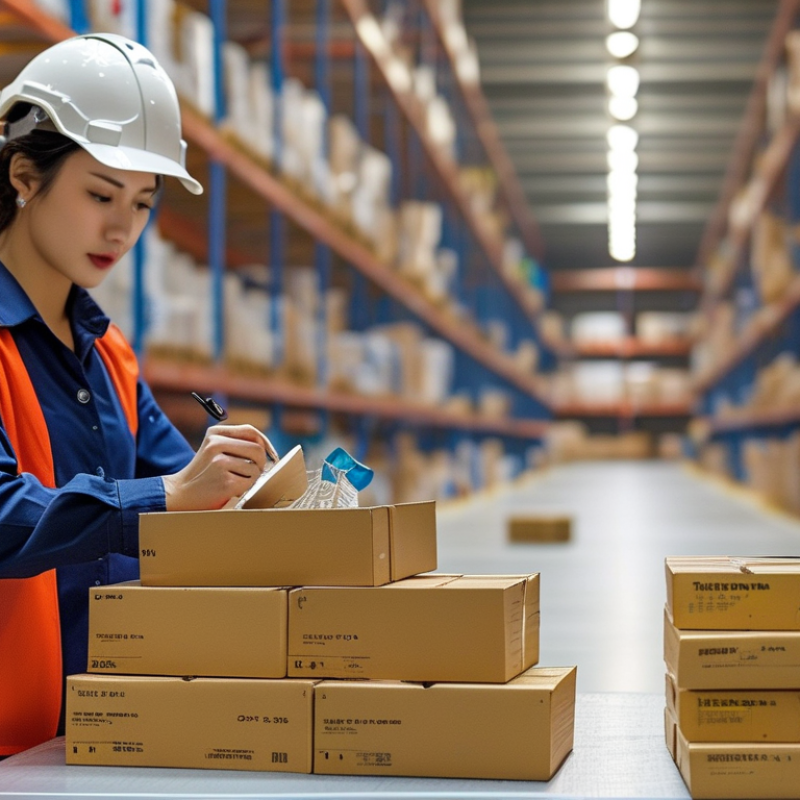
Navigating the FBA inspection process in China is crucial for global buyers. In 2026, understanding these processes can help you avoid potential pitfalls. According to industry reports, approximately 30% of shipments fail initial inspections. This highlights the importance of thorough preparation before shipping products to warehouses.
Engaging with reliable third-party inspection services can streamline the process. Ensure that your products meet quality standards by conducting pre-shipment inspections. Data shows that 85% of businesses that use inspection services reduce their return rates significantly. Proper documentation is also critical; missing paperwork can lead to delays and fines.
For an effective inspection strategy, maintain open communication with suppliers. Establish clear quality expectations to avoid misunderstandings. No one wants to discover product defects post-shipment; it is costly in terms of time and money. By focusing on these aspects, businesses can increase efficiency and minimize risks in the FBA inspection landscape.
Essential Regulations for Global Buyers in China
Navigating regulations in China for global buyers is critical for success in 2026. Understanding FBA inspections can save significant time and resources. In this evolving landscape, buyers must familiarize themselves with local standards. Each product category has unique requirements that need careful scrutiny. This ensures compliance with customs regulations and minimizes the risk of shipment delays.
Global buyers should also pay attention to safety certifications. These certifications differ from western standards and often require additional documentation. Buyers need to engage reliable suppliers who have experience with compliance. This expertise can streamline the inspection process, making it more efficient. Additionally, unexpected issues can arise during inspections. It is essential to be prepared for potential quality concerns and have a contingency plan.
Language barriers pose another challenge. Effective communication with suppliers is vital. Misunderstandings can lead to costly mistakes or delays. Using professionals who understand Chinese regulations can help bridge this gap. This adds credibility to your sourcing strategy. Building strong relationships with local partners can enhance trust and ease the buying process.
Best Practices for Sourcing and Product Quality Control
In 2026, sourcing products from China requires a keen understanding of quality control. Effective inspections can minimize risks. It's essential to establish a clear inspection checklist covering various aspects, including material quality, manufacturing processes, and packaging. By defining specific criteria, buyers can better communicate expectations to suppliers.
Performing pre-shipment inspections is critical. This step ensures that the products meet the agreed standards before they leave the factory. Engaging third-party inspectors adds an extra layer of reliability. It's vital to select inspectors who understand your industry. Their expertise will enhance the inspection process. However, results may vary. Not every inspection will catch every issue, making follow-ups equally important.
Understanding cultural differences can also impact sourcing relationships. Clear communication is necessary, but misinterpretations may still occur. Building a rapport with suppliers often leads to better outcomes. Regular visits can foster trust and improve quality. A perceived lack of accountability can sometimes lead to subpar products. Therefore, it's crucial to remain proactive and flexible in addressing concerns as they arise.
Key Challenges and Solutions in FBA Inspections
Navigating FBA inspections in China presents distinct challenges for global buyers. A compelling statistic reveals that nearly 30% of international shipments face compliance issues during these inspections. This places immense pressure on businesses to ensure their products meet stringent requirements. Proper labeling, packaging standards, and documentation play critical roles in this process. A single error can lead to cargo delays or even rejections, impacting supply chain efficiency.
Another significant challenge lies in the rapidly changing regulatory landscape. In 2025 alone, nearly 50% of suppliers reported difficulty keeping up with new compliance regulations. To mitigate these issues, buyers must invest time in understanding local laws and seeking guidance from reliable resources. Collaborating with established inspection agencies can provide valuable insights and reduce risks. Continuous communication between suppliers and buyers is crucial to ensure all parties understand the expectations and requirements.
Furthermore, many companies underestimate the importance of thorough pre-inspection checks. According to a recent industry report, effective pre-inspection practices can decrease the likelihood of failure by up to 40%. Investing in quality control measures and training for staff can go a long way. Simple steps, like conducting mock inspections, can reveal potential pitfalls and lead to better preparedness. These reflections highlight the importance of ongoing diligence and adaptability in the face of evolving challenges.
Future Trends in China FBA Inspections for 2026 and Beyond
The future of FBA inspections in China is shaping up to be more stringent and detailed. As the global market grows, so does the complexity of compliance requirements. By 2026, it is expected that inspections will focus not only on product quality but also on packaging, labeling, and sustainability practices. A report from Statista indicates that the e-commerce market in China will reach nearly $1 trillion by 2026, amplifying the need for robust inspection processes.
To navigate these changes, global buyers must adapt. Regular updates on regulations are crucial. The China National Medical Products Administration has begun introducing stricter requirements for health-related goods. Failure to comply can lead to delays or rejections. Buyers should ensure their compliance teams stay informed about emerging trends and updates.
Preparation is key. Conduct thorough product testing before shipment. Engage with local inspection agencies to understand specific requirements. A proactive approach can mitigate risks. Developing relationships with reliable logistics partners is also essential. They can provide guidance and insights on the evolving landscape of FBA inspections.


 Close
Close