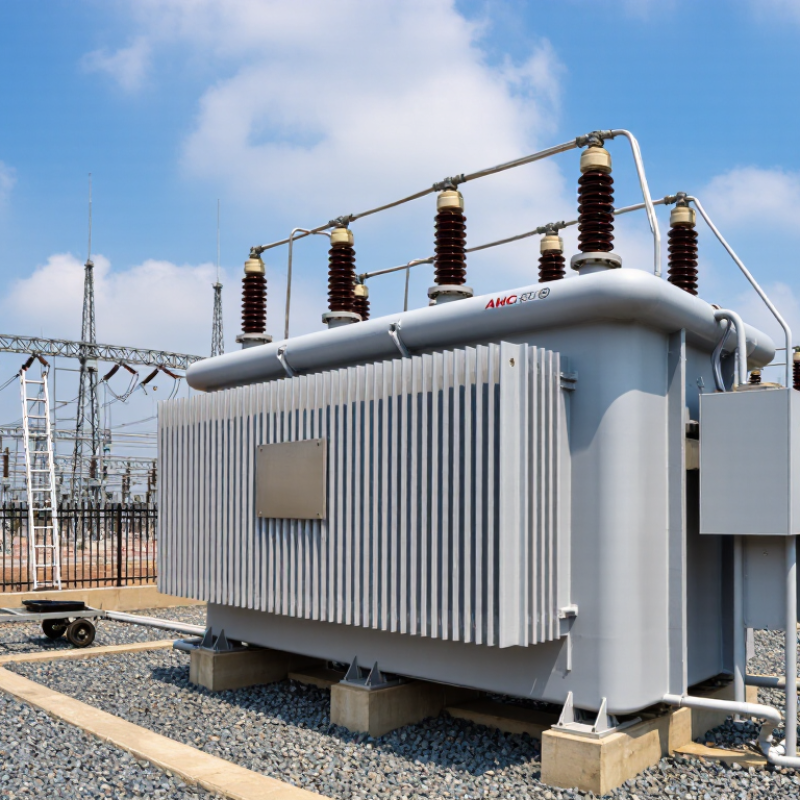
A China-based supplier of ANSI-rated three phase oil transformers must understand more than voltage ratios. Industrial sites demand stable power for motors, furnaces, pumps, and automated production lines. A properly selected transformer reduces voltage fluctuation and supports predictable equipment performance.
In manufacturing plants, oil-immersed units often serve medium-voltage feeders near heavy loads. Their sealed tanks, radiators, and temperature indicators help manage continuous operation. Engineers should review starting currents, harmonics, ambient temperature, and future load growth before selecting capacity. Small details matter. A transformer sized only for today may become a restriction within a few years.
Power distribution systems require different attention. Utility substations may use three phase transformers to connect incoming networks with commercial or rural feeders. ANSI and applicable IEEE requirements guide insulation coordination, testing, clearances, and performance verification. Factory checks should include winding resistance, ratio accuracy, dielectric tests, and leakage evaluation. Field conditions vary. Transport damage, poor grounding, or inadequate ventilation can weaken an otherwise reliable installation.
Experienced suppliers provide drawings, nameplate data, protection recommendations, and oil maintenance guidance. They should also explain limitations instead of promising universal suitability. In practice, cooling performance may change with dust, altitude, or uneven loading. Regular inspections, oil sampling, and temperature records help operators detect developing problems before an outage becomes costly.



 Close
Close