What is the Best WPC Floor Decking for Global Buyers?
As global buyers increasingly seek durable and attractive outdoor solutions, Wpc Floor Decking has emerged as a popular choice. According to a recent market report, the global WPC decking market is projected to reach over $2 billion by 2025, driven by rising demand for eco-friendly materials. WPC, or wood-plastic composite, combines the best of both wood and plastic properties, offering resistance to moisture, insects, and UV rays.
However, not all WPC floor decking products are created equal. Buyers must carefully consider factors such as brand reputation, material composition, and environmental impact. Some products may promise durability but fall short in real-world conditions. It's essential to prioritize quality over price, as low-cost options may lead to premature wear and replacement.
Moreover, regional preferences can affect purchasing decisions. Different climates and local regulations influence the best choices for WPC decking. Understanding these nuances can enhance the buying experience. As the market evolves, continuous research will be necessary to identify the most reliable WPC floor decking solutions available.
What is WPC Floor Decking and How Does It Work?
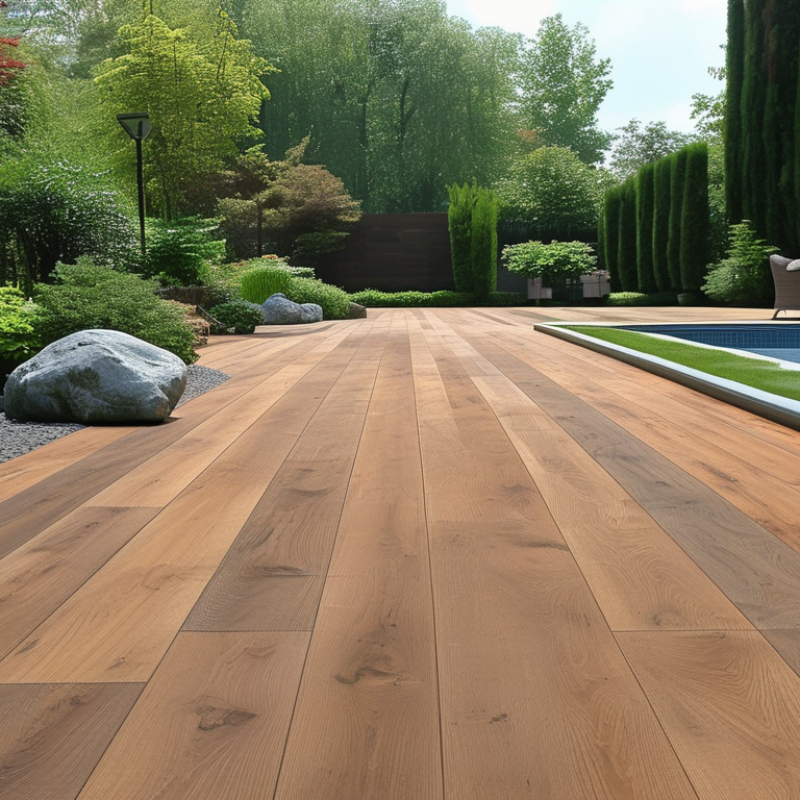
WPC floor decking stands for Wood Plastic Composite. It combines wood fibers, plastic, and additional additives. This innovative material provides durability while mimicking the appearance of natural wood. A report by Technavio states that the global WPC market is projected to grow by over 12% annually from 2021 to 2025. This growth highlights increasing demand in the construction and landscaping sectors.
WPC floor decking works primarily due to its composition. The mixture of wood and plastic forms a resilient structure. Unlike traditional wood, WPC does not warp or splinter easily. This feature makes it suitable for various climates and environments. Surprisingly, not all WPC products use the same ratio of wood to plastic. Some may contain more plastic, which can affect their longevity and visual appeal. Buyers should always check the technical specifications.
Despite its benefits, WPC decking is not without challenges. Some products may fade over time when exposed to sunlight. Others might be prone to mold in humid conditions. It’s essential for buyers to consider their local environment when selecting WPC decking. Understanding these factors can lead to better-informed decisions tailored to specific needs.
Comparison of WPC Floor Decking Attributes
This chart displays the ratings of different attributes of WPC (Wood Plastic Composite) floor decking. The attributes analyzed include Durability, Water Resistance, Maintenance Cost, Aesthetic Variety, and Installation Ease, each rated on a scale of 1 to 10. Higher scores indicate better performance in that category.
Key Benefits of Using WPC Floor Decking for Global Buyers
WPC (Wood Plastic Composite) floor decking is gaining traction among global buyers due to its numerous benefits. One key advantage is its durability. According to a report by MarketsandMarkets, the WPC decking market is projected to reach $5.3 billion by 2026. This growth is driven by the material's resistance to moisture, insects, and fading, making it ideal for outdoor usage.
Another benefit is its low maintenance requirement. Unlike traditional wood, WPC decking does not need regular staining or sealing. This appeals to buyers looking for long-term savings. A study from Allied Market Research highlights that 55% of consumers prioritize low maintenance in their purchasing decisions. However, some WPC products may vary in quality, emphasizing the need for careful selection.
Aesthetic appeal is also a major consideration. WPC can mimic the look of real wood while providing better performance. Many buyers appreciate the range of colors and textures available. However, it is essential to note that not all options offer the same longevity or appearance. Consumers must evaluate their choices based on reliability and design preferences, ensuring they invest wisely in durable flooring solutions.
Top WPC Floor Decking Brands and Their Unique Features
When selecting WPC (Wood Plastic Composite) floor decking, buyers encounter various options. Factors like durability, aesthetic appeal, and cost-effectiveness play crucial roles. A recent industry report noted that WPC materials could last up to 25 years with proper maintenance. This longevity makes them an attractive choice for both residential and commercial properties.
Some top brands focus on unique features. Certain products are designed with enhanced slip resistance, making them suitable for poolside areas. Others emphasize eco-friendliness, using recycled materials that appeal to environmentally conscious consumers. A study found that 70% of buyers prioritize sustainable options when choosing decking materials. Additionally, color options and finishes vary greatly, with certain brands offering customizable solutions that allow for personal expression.
However, not all options are equal. Some WPC decks can fade in sunlight or may require regular upkeep to maintain their look. Buyers should also consider warranty terms, which can range significantly across the market. Engaging with customer reviews and expert opinions is essential. Many industry experts stress the importance of evaluating long-term performance versus initial cost. Understanding these factors can lead to a more informed decision.
Factors to Consider When Choosing WPC Floor Decking
When choosing WPC floor decking, various factors come into play. One key aspect is the material composition. WPC, or wood-plastic composite, combines wood fibers and plastic. The ratio can affect durability and appearance. A higher wood content may enhance aesthetics but could lead to reduced moisture resistance.
Consider the climate where the decking will be installed. In humid regions, mold and mildew may develop. Selecting a composite with superior moisture resistance is essential. Additionally, UV stability plays a crucial role. Decking exposed to intense sunlight should resist fading and degradation. Look at the warranty offered, as it often reflects the manufacturer’s confidence in their product.
Lastly, installation methods and costs vary. Some decking requires specific tools and skills for an effective installation. Familiarizing yourself with these requirements can prevent frustration later. Budget limitations also shape the choice. Quality WPC decking exists across various price ranges, but it’s vital to balance cost with long-term performance. Opting for cheaper options may lead to frequent replacements, which isn’t ideal.
Maintenance and Care Tips for Long-lasting WPC Floors
Maintaining WPC floor decking is essential for longevity. Regular cleaning is crucial. Use a broom or vacuum to eliminate dust and debris. Occasional wet mopping helps remove stubborn stains. Avoid harsh chemicals that can damage the surface.
Check for wear and tear periodically. Sunlight can cause fading over time. Applying a UV-resistant sealant can protect the color. Address scratches quickly to prevent further damage. A simple touch-up can prolong its life.
Prevent water accumulation on the surface. While WPC is water-resistant, excess moisture can lead to mold. Ensure proper drainage in outdoor areas. Regular inspection allows you to catch issues early. Staying proactive pays off in the long run.


 Close
Close