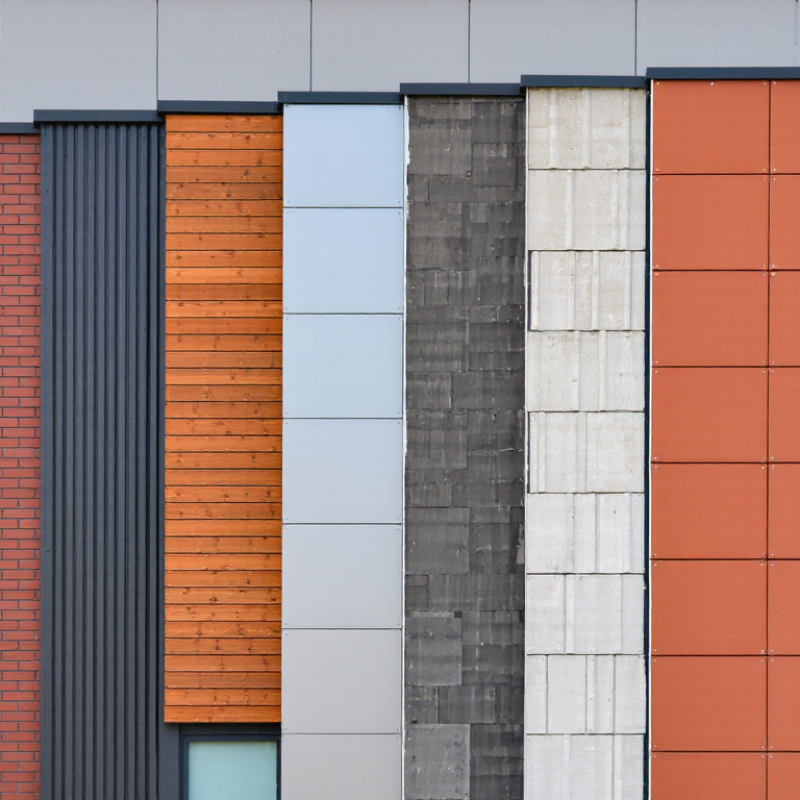
Choosing among the 10 best wall cladding panels depends on climate, building use, installation skill, and maintenance expectations. No panel wins every project. Fiber cement handles rain, sunlight, and moderate impact well, but its weight can raise shipping and labor costs. Metal panels are lightweight and recyclable, yet coastal buyers should check corrosion protection carefully.
Wood panels provide warmth and natural texture. They need regular sealing, especially in humid regions. WPC panels resist moisture and insects, although color changes may appear after prolonged sun exposure. PVC panels are easy to clean and often economical, but their fire performance and temperature stability require close review. HPL panels offer many finishes and strong surface resistance, while stone veneer and brick slips create a solid appearance with added structural demands.
For wet interiors, ceramic panels can simplify cleaning around kitchens or washrooms. In colder areas, insulated composite panels may improve thermal performance, but buyers must verify fire ratings and joint design. Ask for test reports, installation manuals, sample pieces, and warranty terms before comparing prices. Check the full delivered cost, not only the factory quotation.
Small details matter. A dark panel can become very hot under direct sunlight. Poorly sealed edges can allow water behind the facade. I have seen attractive specifications fail because installers lacked compatible fasteners. That is an uncomfortable lesson. Local codes, wind loads, fire rules, and available replacement parts should shape the final choice.



 Close
Close