2026 Best Vacuum Bowl Cutter for Your Kitchen Needs?
In any modern kitchen, efficiency and precision are key. A vacuum bowl cutter stands out as a crucial tool for achieving these goals. Chef Richard O'Connell, a renowned expert in culinary equipment, once stated, "A top-tier vacuum bowl cutter can transform your food preparation process completely."
Designed to slice and mix ingredients with vacuum technology, this equipment minimizes air exposure. This ensures fresher flavors and retains vital nutrients. However, choosing the right vacuum bowl cutter can be challenging. Not all products deliver the same level of performance. Some may struggle with tougher ingredients or produce inconsistent results.
Paying attention to your kitchen's needs is essential. You might find a model that works well for everyday slicing but lacks versatility. Reflecting on user experiences can guide you in selecting the best vacuum bowl cutter for 2026. Understanding these details helps enhance your culinary skills.
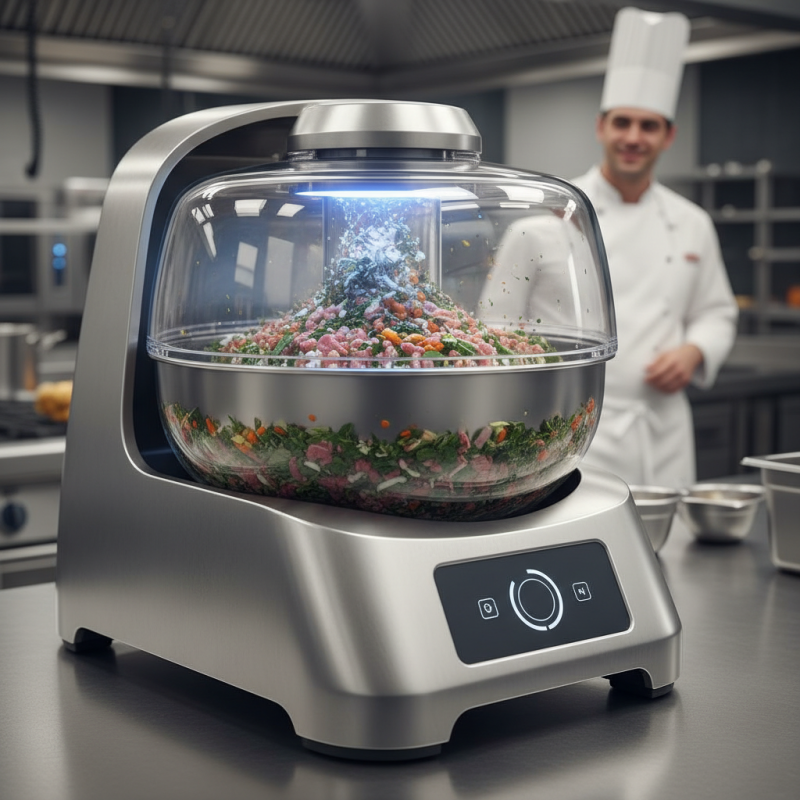
Understanding the Functionality of Vacuum Bowl Cutters
Vacuum bowl cutters are essential for many kitchens, especially in professional settings. Understanding their functionality helps chefs make informed choices. These devices chop ingredients while reducing air exposure. This process keeps the flavors vibrant and maintains ingredient quality. According to industry reports, vacuum technology can preserve up to 85% of the original flavor in food products.
Choosing the right cutter can be tricky. Factors such as blade design and bowl capacity matter. A well-designed blade ensures efficient cutting without overheating or damaging ingredients. A bowl that fits the kitchen's needs is crucial for efficient operation. Make sure you check the material; stainless steel is a top choice for durability and hygiene.
**Tip:** Regularly clean the machine to avoid cross-contamination. A clean cutter enhances performance and extends its lifespan.
Consider experimenting with different settings for varied textures. Sometimes, users may overlook this feature. This can lead to unsatisfactory results. Keep experimenting. It’s often a journey of exploration. Understanding these nuances helps in optimizing dishes.
2026 Best Vacuum Bowl Cutter for Your Kitchen Needs?
| Model | Bowl Capacity (L) | Power (W) | Speed (RPM) | Weight (kg) | Price (USD) |
| Model A | 5 | 1500 | 2500 | 45 | 350 |
| Model B | 7 | 1800 | 3000 | 50 | 450 |
| Model C | 4 | 1200 | 2200 | 40 | 300 |
| Model D | 6 | 1600 | 2800 | 48 | 400 |
| Model E | 8 | 2000 | 3200 | 55 | 500 |
Key Features to Look for in a Vacuum Bowl Cutter
When choosing a vacuum bowl cutter for your kitchen, several key features stand out. A powerful motor is essential. It provides the efficiency needed for various ingredients. Equally important is the bowl size. A larger bowl accommodates bigger batches. Consider the material of the bowl, too. Stainless steel is d durable and easy to clean.
Another vital feature is the speed control. This allows for precise cutting and mixing. User-friendly controls are necessary for a seamless experience. If the machine is difficult to operate, it can lead to frustration. Some models are noisier than others. Noise levels can affect the kitchen atmosphere. A quieter cutter can make cooking more enjoyable.
Lastly, safety features cannot be overlooked. Automatic shut-off, secure lids, and non-slip bases enhance safety. Reflections on your needs are crucial. Are you looking for versatility? Or perhaps a simple design? Every kitchen is unique, and so are its needs. Considering these elements helps make an informed decision.
Top Brands and Models for Vacuum Bowl Cutters in 2026
When choosing a vacuum bowl cutter, consider essential features for your kitchen needs. Some models excel in speed, while others focus on precision. Look for cutters that offer adjustable speed settings. This feature can enhance your cooking experience. Think about the bowl sizes as well, as some models accommodate larger batches.
Tips: Regular maintenance keeps your cutter in top shape. Clean the blades after each use. Simple steps can prevent contamination and ensure safety. Don't overlook the importance of durability. You want a machine that withstands daily use without frequent breaks.
Watch out for user reviews before deciding. They often reveal common flaws to consider. It’s good to learn from others' experiences. Also, explore the design aspects. A compact design may save space but could affect capacity. Balance your preferences with practical execution for the best results in your kitchen.
Comparative Review of Vacuum Bowl Cutters: Pros and Cons
When choosing a vacuum bowl cutter, it’s essential to weigh the pros and cons. These machines are designed to efficiently mix and process food, creating consistent textures. One major advantage is their ability to maintain low temperatures. This is crucial for preserving the quality of delicate ingredients. The vacuum process reduces air exposure, limiting oxidation. As a result, flavors remain vibrant.
However, they come with drawbacks. For instance, vacuum bowl cutters can be expensive. Budget-conscious cooks may hesitate to invest in such equipment. Additionally, using these machines requires practice. Achieving the perfect blend takes time. Some users report inconsistent results during their initial attempts. Cleaning can also be a hassle, as parts may be complex and time-consuming to disassemble.
Considering these factors is vital for anyone looking to purchase. Evaluate your culinary needs and how often you'll actually use the cutter. If you primarily cook simple dishes, the investment may not be worth it. Reflect on your cooking style and the potential benefits a vacuum bowl cutter could bring.
Maintenance Tips for Extending the Life of Your Vacuum Bowl Cutter
Maintaining your vacuum bowl cutter is essential for optimal performance. Regular maintenance ensures longevity and consistent results in your kitchen. According to industry reports, well-maintained equipment can last up to 15% longer than those that are neglected.
One important tip: always clean the machine after each use. Residue buildup can affect performance and add wear to the blades. Use a soft cloth to wipe down surfaces and avoid abrasive materials that can scratch the finish. Additionally, check for any loose screws or parts. Tightening these can prevent malfunctions during operation.
Another point to consider is lubrication. Regularly apply food-safe lubricant to moving parts. This keeps the machine running smoothly and minimizes wear over time. Reports show that proper lubrication can reduce replacement frequency by up to 10%. Finally, store your cutter in a dry place. Moisture can lead to rust and degrade the materials. A little overthinking on maintenance can save a lot in costly replacements.



 Close
Close