2026 Best Metal Forge Solutions for Global Buyers?
The world of manufacturing is constantly evolving, especially in the realm of metalworking. Metal Forge solutions have become essential for industries seeking high-quality products. In this vibrant market, global buyers are searching for reliable partners that can meet their precise needs.
Metal forge technology plays a critical role in creating durable components. Buyers must consider factors that impact performance and sustainability. Availability of material, production techniques, and the expertise of manufacturers significantly influence outcomes. Without assessing these elements, buyers risk quality and efficiency issues.
Understanding the landscape of metal forging is crucial. Decision-makers need to weigh their options carefully. Not all solutions are created equal. Some metal forge providers may promise much but deliver little. The goal is to find companies that prioritize innovation and maintain high standards. This article will explore the best metal forge solutions available for 2026 and beyond.
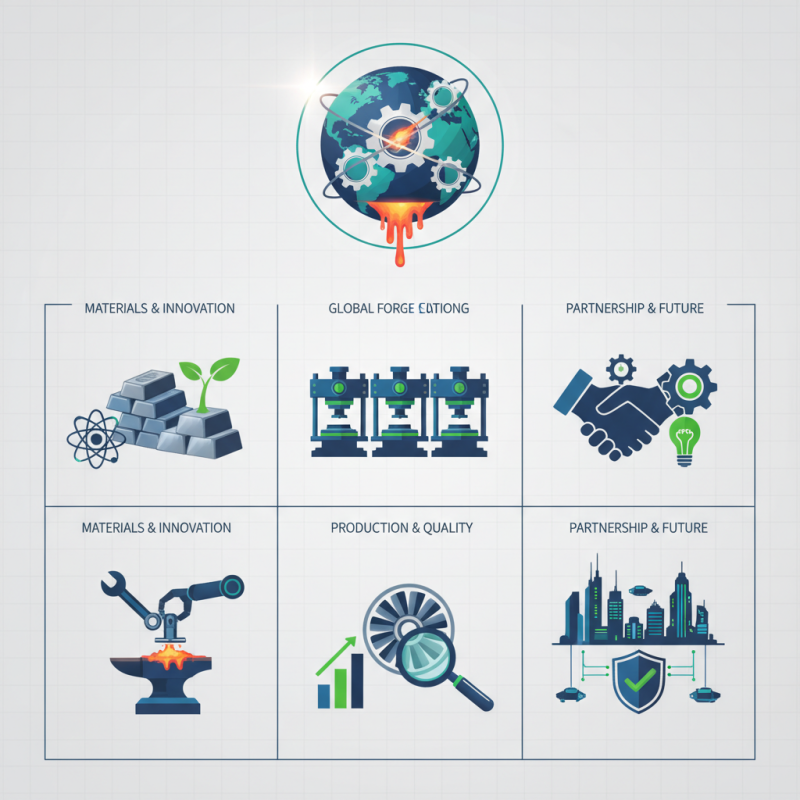
Overview of Metal Forging Processes and Techniques
Metal forging is a vital process in manufacturing. It reshapes metal into specific forms. This transformation enhances the strength and durability of the material. There are various techniques employed in metal forging, each tailored for specific needs.
One common method is hot forging. This involves heating metal above its recrystallization temperature. The heated metal becomes malleable. This makes it easier to shape. Cold forging, on the other hand, is done at room temperature. It requires stronger forces and results in finer tolerances. However, the process can lead to material strain and variations in grain structure.
Die forging uses molds to create complex shapes. Precision is key here. This technique ensures that parts fit together seamlessly. Despite its advantages, the setup can be costly and time-consuming. As industries evolve, there is a constant need for innovation. Understanding these processes is essential for selecting the best forging solution. Each technique has its pros and cons, making it crucial for buyers to analyze their specific requirements.
Overview of Metal Forging Techniques Adoption Rates Worldwide (2023)
This chart illustrates the adoption rates of various metal forging techniques globally in 2023. The data reflects the percentage of manufacturers utilizing each technique, showcasing trends in the industry.
Key Factors for Selecting a Metal Forge Supplier
Choosing the right metal forge supplier is crucial for your business. One key factor is their production capacity. Ensure they can handle your order volume consistently. A reliable supplier adapts to your needs by offering flexibility in their services.
Consider their quality control measures. Suppliers should have robust processes in place to maintain product standards. Ask about certifications and testing methods to gauge their reliability. A supplier that prioritizes quality over costs can save you issues down the line.
**Tips:** Check reviews from other clients. It offers insights into their credibility. Visit their facilities if possible; see their operations firsthand. Don’t overlook communication; effective interactions often indicate good collaboration.
Even with extensive research, issues may arise. A supplier might face delays or quality problems. Reflect on your experiences to refine your selection process. Your needs may evolve; revisit your choices periodically.
Top Global Metal Forge Companies in 2026
The metal forging industry is set to see significant developments in 2026. According to a recent market analysis report, the global metal forging market is projected to reach approximately $100 billion by 2026. This growth is driven by the increasing demand for lightweight materials in industries like aerospace and automotive. Advanced forging techniques are becoming crucial for manufacturers in these sectors.
Top companies are investing in innovative technologies and sustainable practices. Recent studies show that up to 40% of metal forges are now adopting eco-friendly processes. This shift is essential as regulations tighten around emissions. However, some companies are still struggling to transition. They face challenges in integrating new technologies and managing costs.
Quality assurance remains a pressing issue. While many forges boast high standards, a notable percentage still have inconsistent quality control. This inconsistency can lead to production delays and increased waste. Buyers must consider these factors when choosing a metal forging partner. Reliable certification and proven track records should be at the forefront of their evaluation criteria.
Innovations and Technologies in Metal Forging Industry
The metal forging industry is experiencing rapid innovations and technological advancements. In 2026, global buyers will find numerous solutions that enhance efficiency and reduce waste. According to a recent market report, the industry is expected to grow at a CAGR of 7% from 2021 to 2026. This growth is driven by the increasing demand for lightweight materials in automotive and aerospace applications.
Modern forging techniques, such as hot and cold forging, are becoming more sophisticated. Automation plays a key role in these advancements. Robotic systems now assist in handling heavy materials, which improves safety and precision. Industry studies suggest that automating forging processes can increase production rates by up to 30%.
Despite these developments, challenges remain. Many manufacturers still struggle with integrating new technologies. Training personnel to operate advanced machinery is often overlooked. Additionally, there is a need for better energy efficiency in forging processes. Reports indicate that over 30% of energy use in metal forging is wasted. Addressing these issues is essential for the sustainability of the industry moving forward.
Market Trends and Predictions for Metal Forging in 2026
As we look towards 2026, the metal forging industry is poised for significant changes. Manufacturers must adapt to evolving market demands. Key areas include innovation in sustainable practices and the use of advanced materials. Eco-friendly solutions are becoming vital, with firms looking to reduce their carbon footprint.
The demand for lightweight yet strong materials is shaping forging processes. New techniques are emerging, requiring skilled operators. Companies might struggle to find qualified personnel who can handle these modern methods. Additionally, the shift towards automation could lead to increased efficiency but may also cause workforce challenges.
Economic factors will influence these trends as well. Global supply chain disruptions have taught businesses the importance of resilience. While some companies continue to invest heavily in technology, others may lag due to financial restraints. This disparity will create a unique market landscape that requires continuous monitoring and adaptation.


 Close
Close