Best Hydraulic Pumps for Efficient Industrial Applications?
In the rapidly evolving industrial landscape, "Hydraulic Pumps" play a crucial role. According to industry expert Dr. Emily Harris, a renowned mechanical engineer, "Choosing the right hydraulic pump can significantly enhance operational efficiency." Her words underscore the importance of hydraulic systems in various applications.
The effectiveness of hydraulic pumps can impact productivity and energy consumption. From construction to manufacturing, they are the backbone of many operations. Selecting a reliable hydraulic pump requires understanding specific needs and conditions. Not all pumps are created equal; performance varies based on design and application.
Many businesses have faced challenges in optimizing their hydraulic systems. Familiarity with pump specifications is essential. Not recognizing this aspect can lead to inefficiencies. Careful analysis and expert advice can guide optimal choices. The road to finding the best hydraulic pumps might not be straightforward, but the benefits are undeniable.
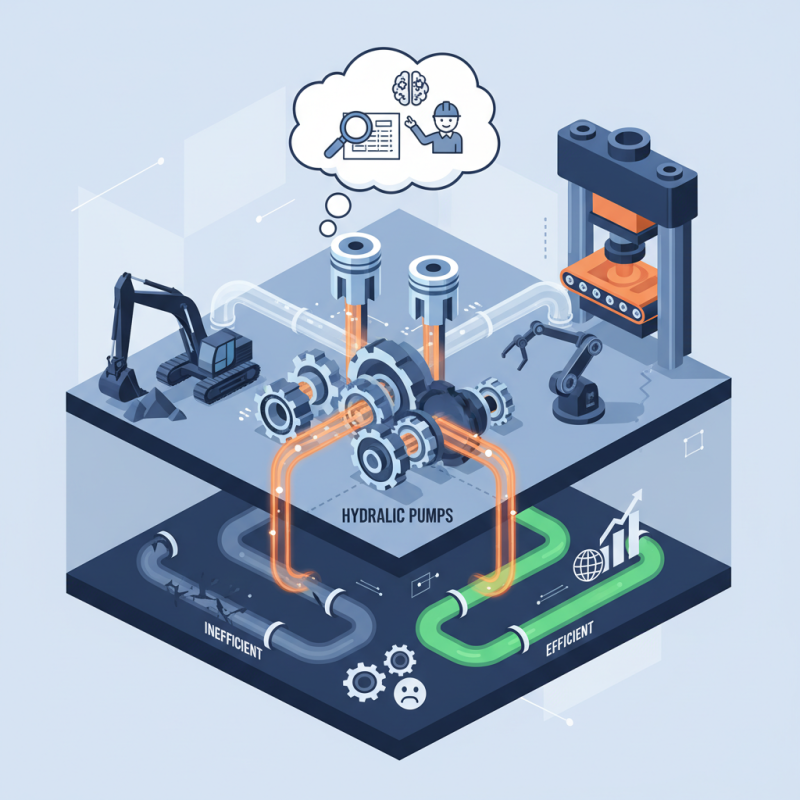
Overview of Hydraulic Pumps in Industrial Applications
Hydraulic pumps are crucial in various industrial sectors. They transform mechanical energy into hydraulic energy, powering machinery and equipment. According to a report by the International Hydraulic Engineering Association, the demand for hydraulic pumps is projected to grow by 5.1% annually until 2027. This growth highlights their importance in industries like construction, automotive, and manufacturing.
In industrial applications, efficiency is key. Proper installation and maintenance practices can enhance the performance of hydraulic pumps. Regular inspections can prevent costly downtime. A study conducted by the Hydraulic Institute emphasizes that 30% of hydraulic system failures are due to inadequate maintenance. This suggests that operators should prioritize routine checks and upgrades to ensure reliability.
Tip: Consider training staff on basic troubleshooting to reduce response times during pump issues. Simple knowledge can prevent major problems.
Hydraulic pumps come in various types, including gear, piston, and vane pumps. Each type has unique benefits and drawbacks, making it essential to choose wisely. Understanding system requirements and application conditions can facilitate better pump selection. Sometimes, less common choices can lead to increased efficiency—an opportunity to explore beyond conventional options.
Types of Hydraulic Pumps and Their Functions
Hydraulic pumps are vital for various industrial applications. Different types of hydraulic pumps serve unique functions. Understanding these differences can enhance efficiency.
Gear pumps are common in hydraulic systems. They utilize gears to control fluid flow. These pumps are known for their ability to generate high pressure. Vane pumps are another type. They feature rotating vanes that help increase fluid flow. They are particularly useful for applications requiring variable flow rates.
When selecting a hydraulic pump, consider the application and fluid type. A wrong choice can lead to reduced efficiency and increased wear. Regular maintenance is key. Inspect seals and connections routinely to prevent leaks.
Pay attention to the operational environment. High temperatures or contaminants can affect pump performance. Investing in a quality filter can extend the pump's life and reliability. Efficiency is not just about the pump itself; it involves the entire hydraulic system.
Best Hydraulic Pumps for Efficient Industrial Applications
| Type of Hydraulic Pump | Function | Common Uses | Advantages | Disadvantages |
| Gear Pump | Transports hydraulic fluid using gears | Construction machinery, automotive systems | Simple design, high efficiency | Limited flow rates at high pressures |
| Piston Pump | Uses pistons to create fluid movement | High-pressure applications, heavy equipment | High efficiency, good for high pressure | Complexity, maintenance required |
| Vane Pump | Fluid is moved by sliding vanes | Mobile equipment, industrial machinery | Quiet operation, good suction | Less efficient at higher pressures |
| Gear Pump | Uses gears to move fluid | Hydraulic systems in vehicles | Reliable, low cost | Limited viscosity range |
| Screw Pump | Fluid is moved by rotating screws | Marine applications, chemical handling | Handles thick fluids well | More expensive, higher maintenance |
Key Features to Consider When Selecting Hydraulic Pumps
When selecting hydraulic pumps for industrial applications, several key features are essential for optimal performance. Efficiency is one critical factor. According to industry reports, pumps operating above 90% efficiency significantly reduce energy consumption and operational costs. There’s a growing urgency for industries to adopt energy-efficient technologies, driven by rising energy prices and sustainability goals.
Another vital consideration is durability. Hydraulic pumps are subject to intense pressure and environmental challenges. Choosing pumps with high-quality materials can increase their lifespan. Many reports indicate that choosing pumps designed for specific applications can minimize wear and maintenance needs. Users often overlook this, leading to costly replacements and downtime.
It’s also crucial to assess the pump's compatibility with the hydraulic fluid being used. Viscosity and temperature influences performance dramatically. Selecting the wrong type can result in inefficiencies. Some studies show that improper fluid selection can reduce performance by up to 30%. It’s essential to take the time to evaluate all these factors. Industry professionals often highlight that a thorough understanding of application requirements is key.
Best Hydraulic Pumps for Efficient Industrial Applications
This chart displays the efficiency rating of various hydraulic pump types commonly used in industrial applications, highlighting their operational efficiency based on flow rate and pressure output.
Top Brands and Models of Hydraulic Pumps for Efficiency
In industrial applications, the efficiency of hydraulic pumps plays a critical role. According to industry reports, about 15% of energy consumption in manufacturing can be attributed to hydraulic systems. Choosing the right hydraulic pump can significantly impact operational efficiency. Selecting high-performance models ensures optimal fluid flow and pressure output.
Several leading models have gained recognition for their efficiency. These pumps typically feature advanced design elements that reduce energy loss and enhance performance. For example, some designs utilize variable displacement mechanisms. These can adjust output based on demand, saving energy during low-load conditions. Effective systems often achieve efficiency ratings exceeding 90%, contributing to lower operating costs.
However, it's important to note that not all pumps meet high standards. Subpar models may lead to leaks, increased downtime, and higher maintenance costs. Regular evaluation of pump performance is essential. Industry surveys indicate that 25% of companies have experienced operational delays due to hydraulic system failures. Users should remain vigilant, considering factors such as fluid compatibility and temperature ranges to ensure lasting efficiency.
Maintenance Tips for Ensuring Optimal Performance of Hydraulic Pumps
Maintaining hydraulic pumps is crucial for their longevity and efficiency in industrial applications. According to the International Fluid Power Society, regular maintenance can reduce downtime by 20%. This statistic underscores the need for consistent check-ups and servicing.
One essential tip is to ensure regular fluid changes. Hydraulic fluid can degrade over time, losing its ability to lubricate. Contaminants can also build up, causing excessive wear on pump components. Regularly monitoring fluid levels and cleanliness can prevent costly repairs.
Another important aspect is monitoring operating temperatures. Hydraulic pumps tend to overheat if they are overworked. Over time, high temperatures can lead to premature failure. Employing temperature sensors and setting limits can help maintain performance and prevent damage.
Lastly, listen to your equipment. Unusual noises might indicate internal issues. Early detection is key to addressing potential problems before they escalate. Regular inspections can identify leaks, wear, or misalignments. Implementing these maintenance tips will lead to optimal performance and increased reliability in hydraulic systems.


 Close
Close