2026 Best Commercial Solar Power System for Global Buyers?
In the ever-evolving landscape of energy solutions, the demand for efficient Commercial Solar Power Systems is on the rise. Industry expert Dr. Emily Ross, a leading figure in renewable energy, emphasizes, "Embracing solar technology is not just a trend; it’s an essential step for sustainable business practices." Companies today are actively seeking reliable solar power options to reduce their carbon footprint and operational costs.
The year 2026 promises notable advancements in solar technology, enhancing the reliability and efficiency of Commercial Solar Power Systems. As environmental awareness grows, businesses must adapt to the changing market. Many organizations feel overwhelmed with choices and uncertain about the long-term benefits. The integration of solar power can sometimes seem complex, requiring careful analysis and commitment.
However, the return on investment has become clearer. A perfectly optimized Commercial Solar Power System can yield significant savings on energy bills and improve brand reputation. While challenges exist, businesses must navigate these to harness the power of solar energy. Proper research and expert guidance remain crucial, as integrating solar can either lead to overwhelming success or, if mismanaged, underwhelming results.
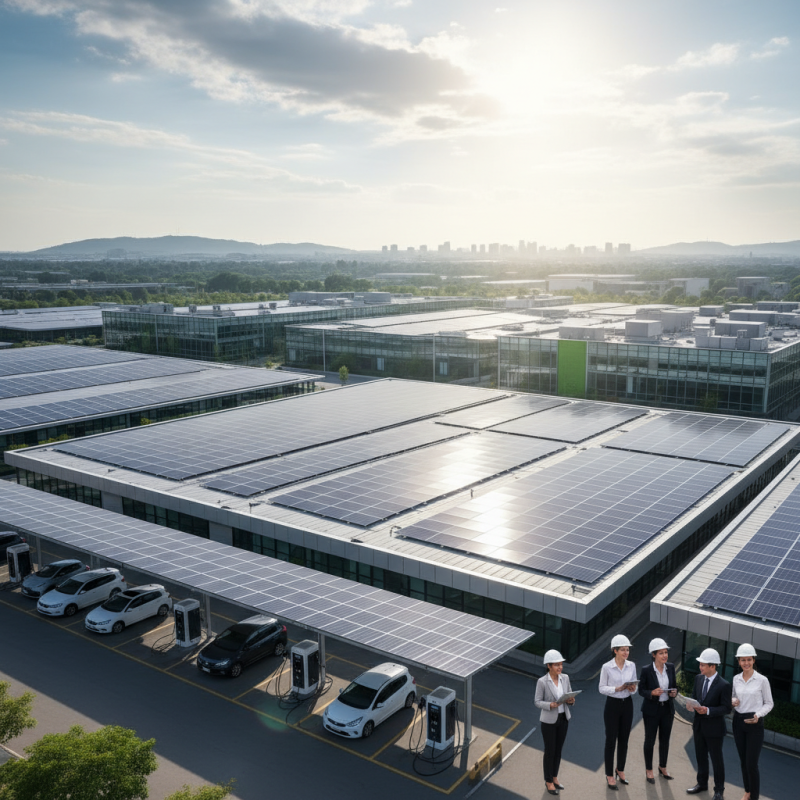
Overview of Commercial Solar Power Systems in 2026
In 2026, the landscape of commercial solar power systems presents compelling prospects for global businesses. Advances in solar technology are leading to more efficient energy solutions. According to recent industry reports, solar installations have grown by over 25% in the past year alone. This growth is fueled by improved photovoltaic cell efficiency and decreased costs, making solar energy more accessible.
One significant trend is the integration of energy storage systems. These systems allow companies to store excess energy for later use. Reports estimate that integrated solar storage solutions could reduce energy costs by up to 30% in some regions. Businesses are increasingly adopting these systems to enhance energy resilience. However, challenges remain, such as variable energy production and upfront investment costs. As adoption increases, ongoing system maintenance and performance monitoring will become critical.
The global push for sustainability is another driving force. Many companies recognize the importance of reducing carbon footprints. While transitioning to solar energy can be beneficial, it requires careful planning. Some enterprises may encounter regulatory hurdles and site-specific limitations. Engaging with local energy authorities early can help mitigate these issues. Ultimately, the efficiency and reliability of solar systems will determine their success in commercial applications.
Key Features to Look for in a Solar Power System
Choosing the right solar power system is crucial for commercial properties. Key features will enhance efficiency and reliability. Look for systems with high energy conversion rates. A product that converts more sunlight into electricity will optimize performance. This efficiency can lead to significant cost savings over time.
Consider the size and scalability of the solar system. A good system should be adaptable. This means it can expand as your business grows. This flexibility is essential for future energy demands. Ensure the components are durable. High-quality materials can withstand various weather conditions.
**Tip:** Research local incentives. Some regions offer tax credits or rebates for solar installations. These can significantly reduce your initial investment.
Battery storage is another feature to examine. A reliable battery ensures you use stored energy during cloudy days or at night. Energy independence can boost your business sustainability efforts.
**Tip:** Get multiple quotes. Different assessments may reveal different features or savings potential. This can help you make a more informed decision. Look out for warranties as well. A strong warranty indicates confidence in the system's longevity and reliability.
2026 Best Commercial Solar Power System Features
Top Brands and Manufacturers for Solar Power Systems
As commercial solar power systems gain traction globally, buyers face a myriad of choices. Understanding the key brands and manufacturers is crucial for informed decisions. Many established players focus on high efficiency and durability. However, the terms and conditions of warranties can vary significantly. Buyers must scrutinize these details carefully.
Potential buyers should also consider support and service options offered by manufacturers. Some companies excel in customer service, while others may not respond promptly. This variability can greatly impact the overall satisfaction with the system. Additionally, the installation process should not be overlooked. Inadequate installation can lead to inefficiency.
While many brands claim to be the best, the diversity in offerings often leads to confusion. It’s essential to look for manufacturers with a strong reputation and proven track record. Engaging with industry experts can help clarify confusing aspects. Every buyer's needs differ, so what works for one may not work for another.
Cost Analysis and ROI for Commercial Solar Investments
Investing in commercial solar power systems has become a popular choice for businesses worldwide. A thorough cost analysis is crucial for making informed decisions. Understanding the initial investment and ongoing maintenance costs can reveal the financial implications. Average costs for commercial systems vary based on size, location, and installation type. In some cases, the upfront expenditure can seem daunting.
Analyzing return on investment (ROI) is essential. The payback period for solar systems can range from five to ten years. Factors like local tax incentives, rebates, and energy savings significantly impact ROI. Businesses should also consider potential increases in energy prices over time. These calculations make it clear that, while the initial investment may be high, long-term savings can outweigh costs.
However, the decision to go solar isn't always straightforward. Some businesses report challenges like fluctuating energy demands and installation complexity. Proper planning and consultation with energy experts can help address these concerns. Real-world examples show that tailored approaches yield better results. Each commercial project differs, and not every system works for every business.
Future Trends in Solar Technology for Global Markets
The solar technology landscape is rapidly evolving, driven by the urgent need for renewable energy solutions. As we look toward 2026, several trends are becoming evident. Integration of artificial intelligence in solar systems enhances efficiency. AI optimizes energy consumption patterns, ensuring better use of generated power. Moreover, photovoltaic materials are advancing. New compounds are increasingly efficient, converting sunlight to electricity more effectively than ever before.
Another trend is the rise of decentralized solar grids. These systems empower communities to produce their own energy. Microgrids reduce dependency on centralized power sources, promoting resilience. However, there are challenges. Not all regions have the infrastructure to support such systems. This disparity can create energy inequalities, necessitating careful policy considerations.
Bifacial solar panels are gaining traction. They capture sunlight from both sides, maximizing energy output. But, in real-world applications, installation practices can vary. Some areas might lack optimal conditions, limiting effectiveness. Lastly, storage technology continues to improve, but the market is still nascent. High costs and scalability issues remain obstacles. Continuous innovation will be crucial to address these challenges and realize the full potential of solar energy globally.



 Close
Close